 简体中文
简体中文  English
  日本語
日本語  한국어
한국어  Français
  Deutsch
  Español
  Português
  Русский
  العربية
  ไทย
ไทย  Tiếng Việt
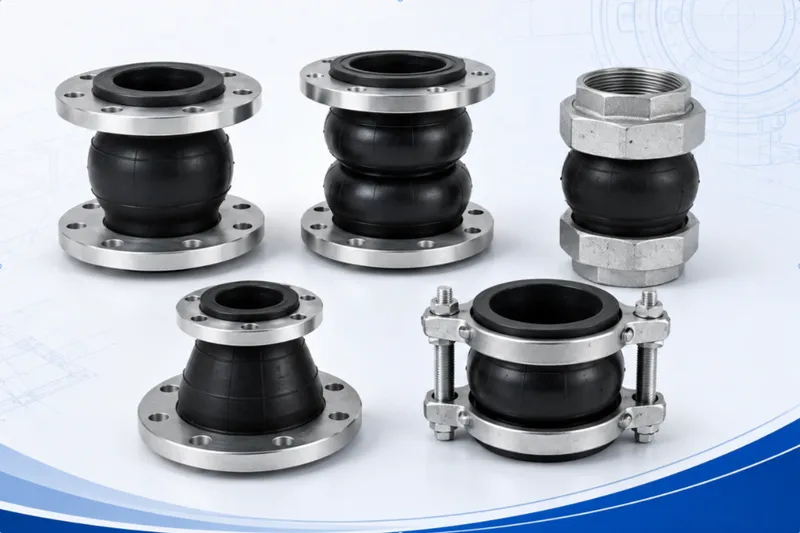
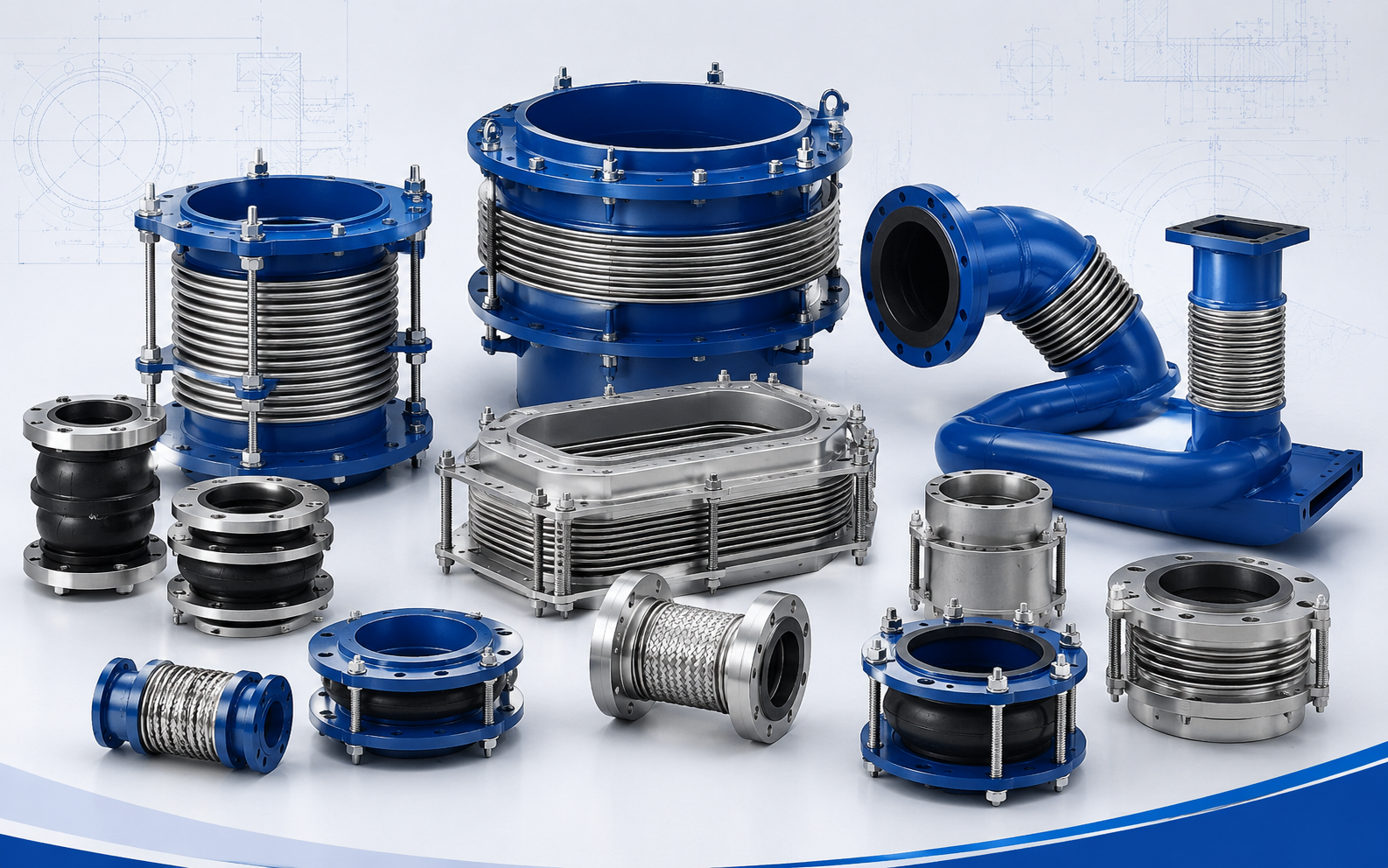
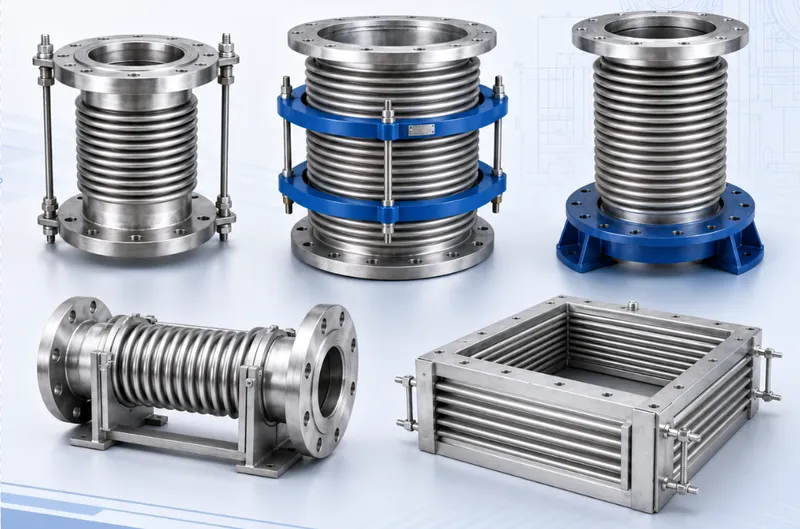

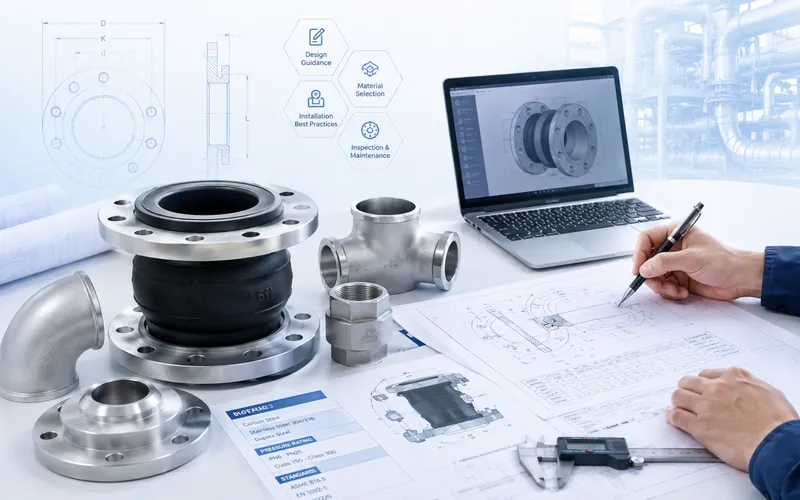

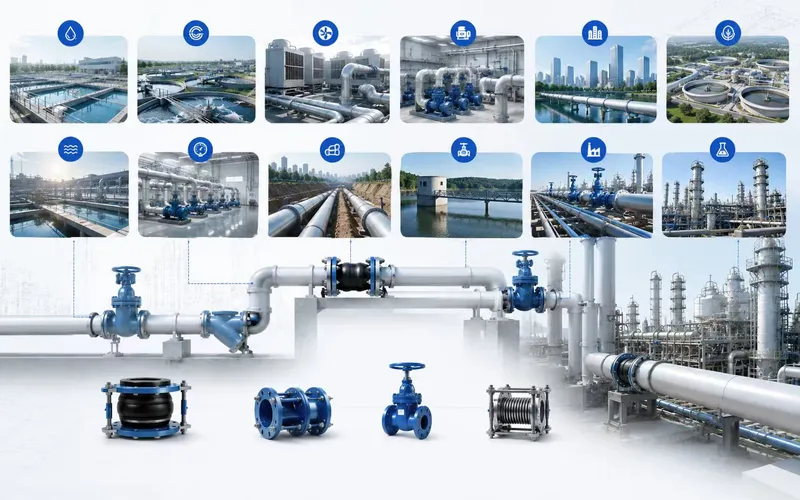
# EPDMとNBRゴム伸縮継手の材質比較\n\n## B2Bバイヤー向けガイド\n\n本記事は、海外の技術購買、施工会社、販売代理店、OEM/ODM顧客が、見積依頼前に必要な技術情報を整理できるように作成されています。\n\n## 配管部品: EPDMとNBRゴム伸縮継手の材質比較\n\n製品名だけで判断せず、配管サイズ、圧力、接続規格、材質、流体、温度、設置位置、数量、図面を確認してください。\n\n関連製品にはゴム伸縮継手、伝力継手、管継手、フランジアダプター、金属ベローズ伸縮継手、防水スリーブなどがあります。\n\n## RFQ\n\n見積を早く正確にするには、DNサイズ、圧力等級、フランジ規格、材質、使用流体、温度、数量、図面または写真を送ってください。\n\n- DN / size\n- pressure rating\n- connection standard\n- material\n- working medium and temperature\n- quantity\n- drawing, photo or specification\n\n## Quality and Packing\n\n出荷前には外観、寸法、接続面、付属部品、表示、梱包方法を確認します。試験要求は生産前に確認してください。\n\n## Project Inquiry\n\nプロジェクト用の配管部品が必要な場合は、サイズ、圧力、接続規格、材質、流体、数量、図面をお送りください。
关联内容
用途ガイド
Rubber Expansion Joints for Pump Suction Lines: Vacuum Risks and Installation Checks
A pump suction line can drop below atmospheric pressure during startup, low water level or flow fluc ...
製品選定ガイド
配管部品の図解選定ガイド
配管部品の図解選定ガイド B2Bバイヤー向けガイド 本記事は、海外の技術購買、施工会社、販売代理店、OEM ODM顧客が、見積依頼前に必要な技術情報を整理できるように作成されています。 配管部品 配管 ...
用途ガイド
ポンプ場と水配管向け単球形ゴム伸縮継手
ポンプ場と水配管向け単球形ゴム伸縮継手 B2Bバイヤー向けガイド 本記事は、海外の技術購買、施工会社、販売代理店、OEM ODM顧客が、見積依頼前に必要な技術情報を整理できるように作成されています。 ...
製品選定ガイド
ゴム伸縮継手とは
ゴム伸縮継手とは B2Bバイヤー向けガイド 本記事は、海外の技術購買、施工会社、販売代理店、OEM ODM顧客が、見積依頼前に必要な技術情報を整理できるように作成されています。 配管部品 ゴム伸縮継手 ...
常见问题
?What is the main difference between EPDM and NBR rubber expansion joints?
EPDM is generally preferred for water systems, outdoor exposure and applications requiring ozone and weather resistance. NBR is generally more suitable for mineral oils, lubricants, fuels and selected oil-containing media, but its outdoor weathering resistance is normally lower.
?Can an EPDM rubber expansion joint be used with diesel or lubricating oil?
Standard EPDM is generally unsuitable for diesel, mineral oil and petroleum-based lubricants. NBR or another oil-resistant elastomer should be evaluated according to the actual oil composition, additives and temperature.
?Can an NBR rubber expansion joint be used in a water system?
Selected NBR compounds can be used with water, but EPDM is generally considered first for common water systems. Temperature, additives, outdoor exposure and compliance requirements must also be reviewed.
?Can EPDM and NBR be identified by colour?
No. Colour, smell and surface appearance are not reliable identification methods. Check the purchase order, approved drawing, batch records and agreed material documentation.
?Should EPDM or NBR be used for wastewater?
The decision depends on the wastewater composition. General wastewater may allow EPDM, while wastewater containing mineral oil or fuel may require NBR or another material. Chemicals, concentration and temperature must be confirmed.
?Does EPDM automatically qualify for potable-water service?
No. EPDM is only the base polymer family. Potable-water service requires confirmation of the specific compound, production controls and the compliance documents required by the target project or market.