 简体中文
简体中文  English
  日本語
日本語  한국어
한국어  Français
  Deutsch
  Español
  Português
  Русский
  العربية
  ไทย
ไทย  Tiếng Việt
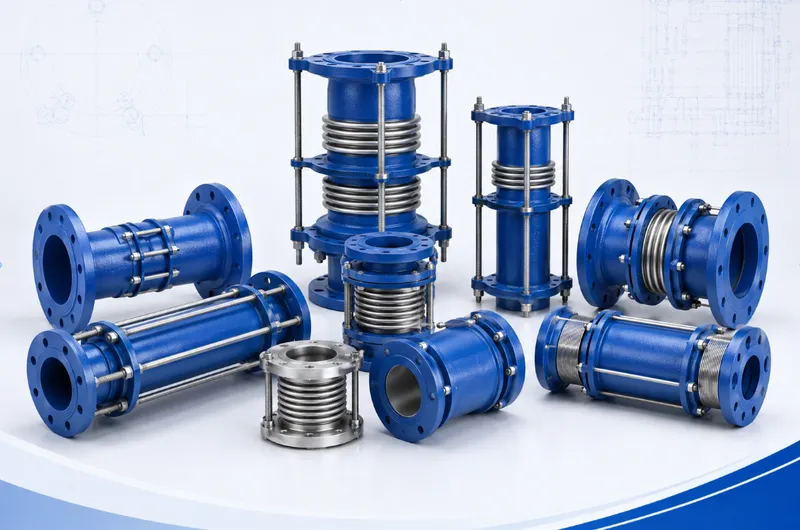
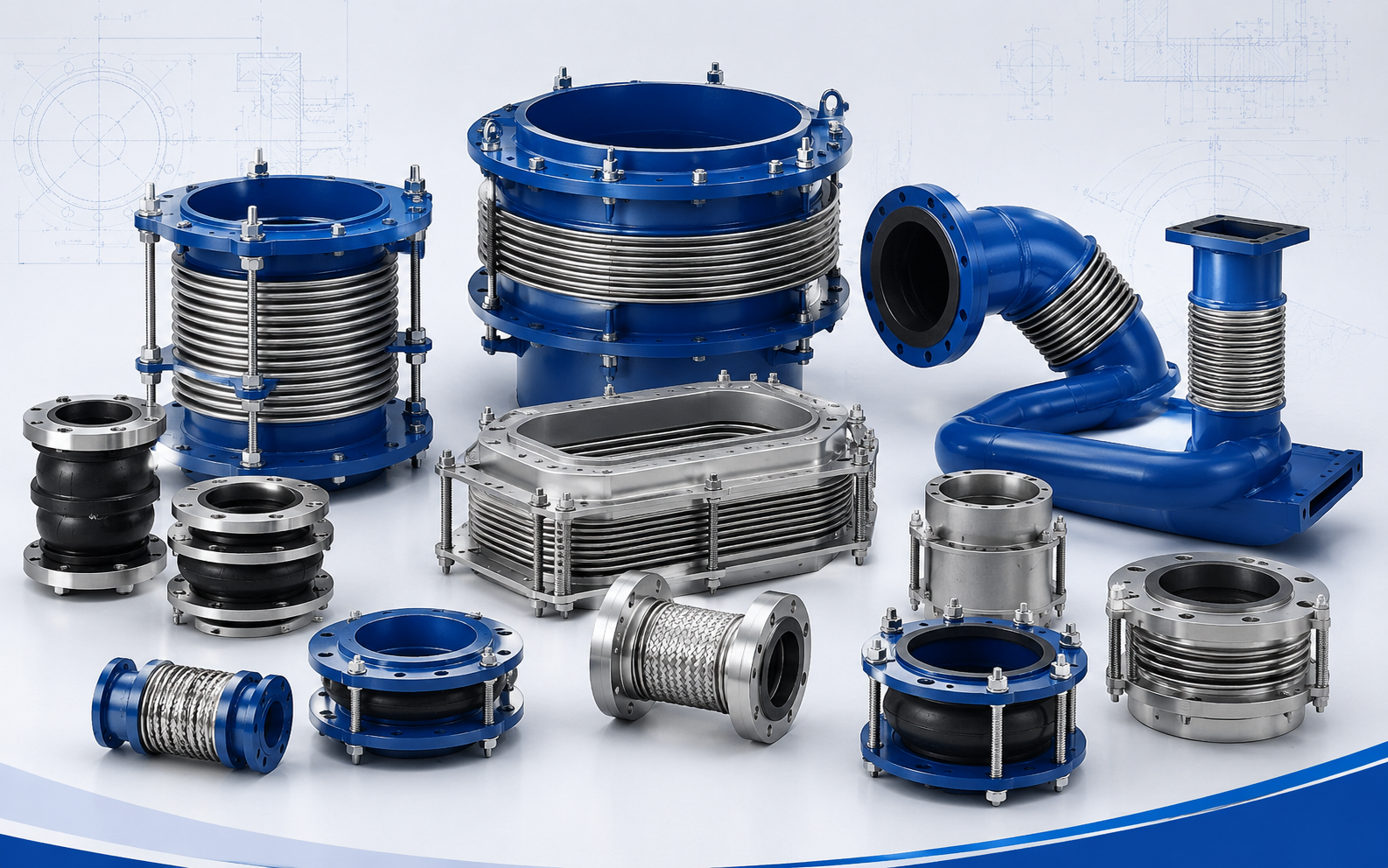
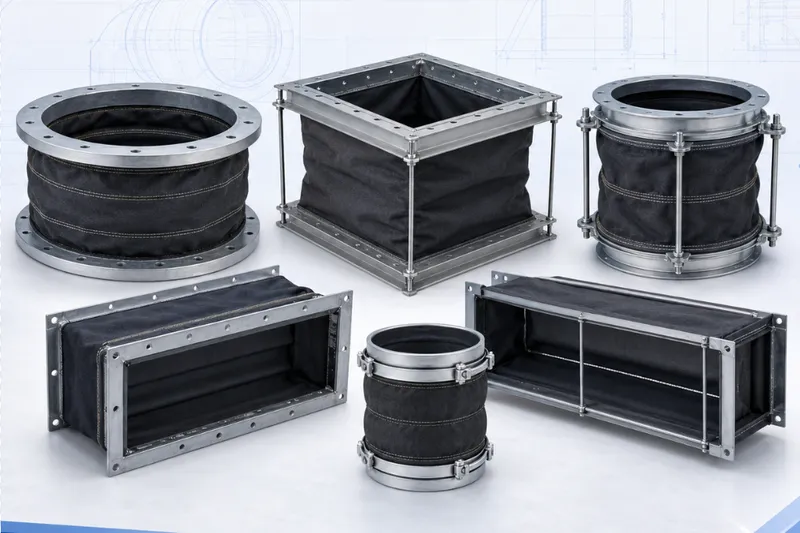
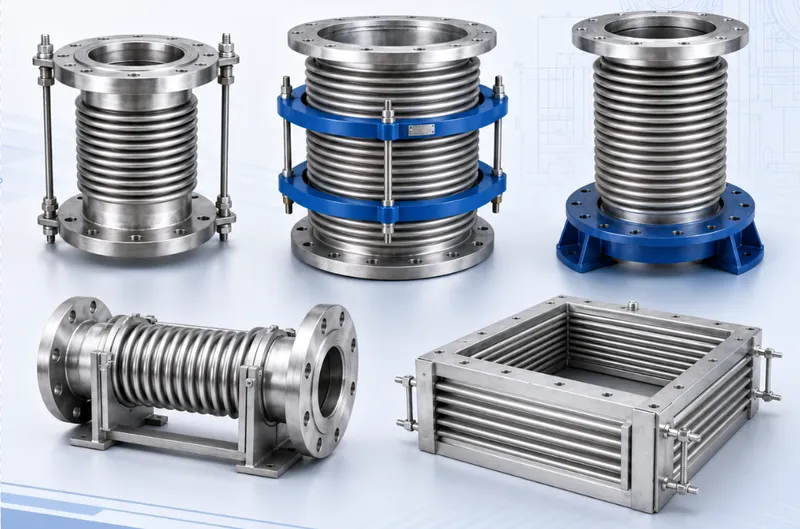
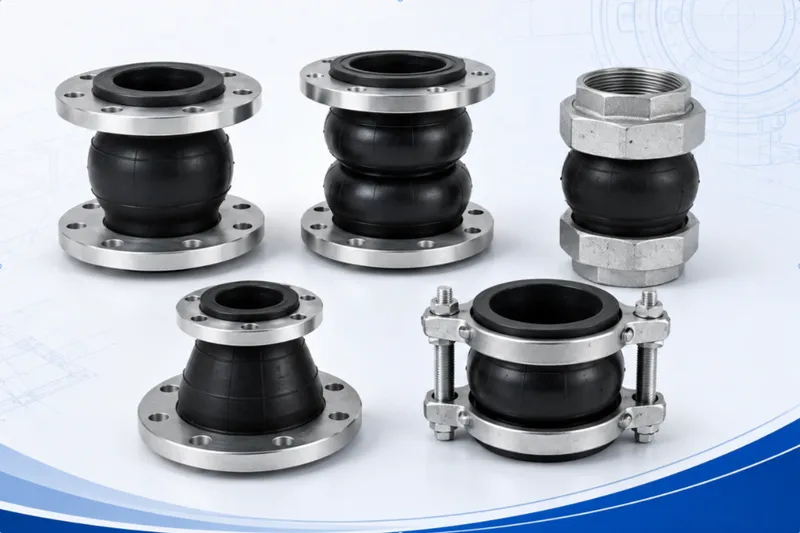

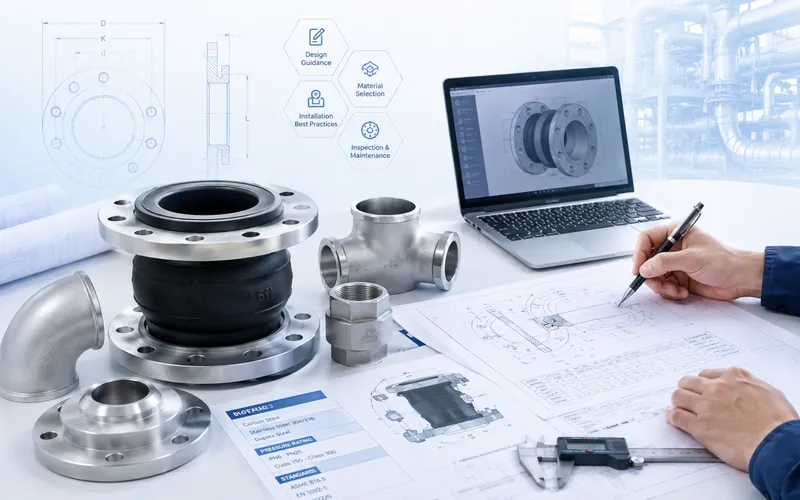
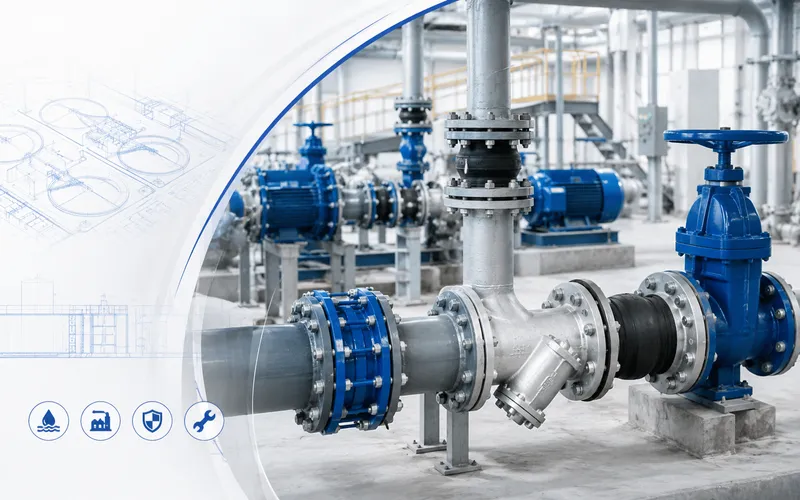
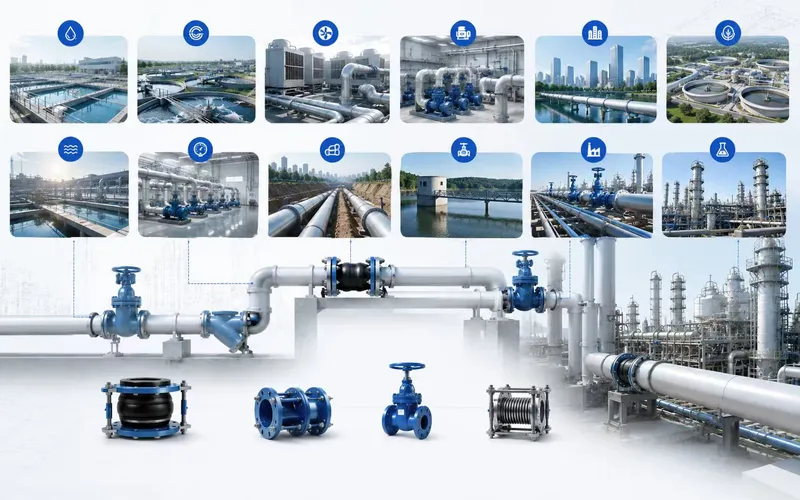
# เปรียบเทียบข้อต่อยาง EPDM และ NBR\n\n## คู่มือสำหรับผู้ซื้อ B2B\n\nบทความนี้ช่วยผู้จัดซื้อด้านวิศวกรรม ผู้รับเหมา ผู้จัดจำหน่าย และลูกค้า OEM/ODM เตรียมข้อมูลก่อนส่งคำขอใบเสนอราคา\n\n## อุปกรณ์ท่อ: เปรียบเทียบข้อต่อยาง EPDM และ NBR\n\nไม่ควรเลือกจากชื่อสินค้าเท่านั้น ควรยืนยันขนาดท่อ ระดับแรงดัน มาตรฐานการต่อ วัสดุ ของไหล อุณหภูมิ ตำแหน่งติดตั้ง จำนวน และแบบวาด\n\nผลิตภัณฑ์ที่เกี่ยวข้องอาจรวมถึงข้อต่อยางยืด ข้อต่อถอดได้ คัปปลิ้งท่อ อะแดปเตอร์หน้าแปลน ข้อต่อชดเชยโลหะ และปลอกกันน้ำ\n\n## RFQ\n\nเพื่อให้เสนอราคาได้เร็วขึ้น โปรดส่ง DN แรงดัน มาตรฐานหน้าแปลน วัสดุ ของไหล อุณหภูมิ จำนวน แบบวาดหรือรูปถ่าย\n\n- DN / size\n- pressure rating\n- connection standard\n- material\n- working medium and temperature\n- quantity\n- drawing, photo or specification\n\n## Quality and Packing\n\nก่อนจัดส่งควรตรวจสอบลักษณะภายนอก ขนาด พื้นผิวต่อ อุปกรณ์เสริม ป้ายกำกับ และบรรจุภัณฑ์ ข้อกำหนดการทดสอบควรยืนยันก่อนผลิต\n\n## Project Inquiry\n\nส่งขนาด แรงดัน มาตรฐานการต่อ วัสดุ ของไหล จำนวน และแบบวาด เพื่อยืนยันการกำหนดค่าที่เหมาะสม
最新文章
Rubber Expansion Joints for Pump Suction Lines: Vacuum Risks and Installation Checks
2026-07-31 17:27:34
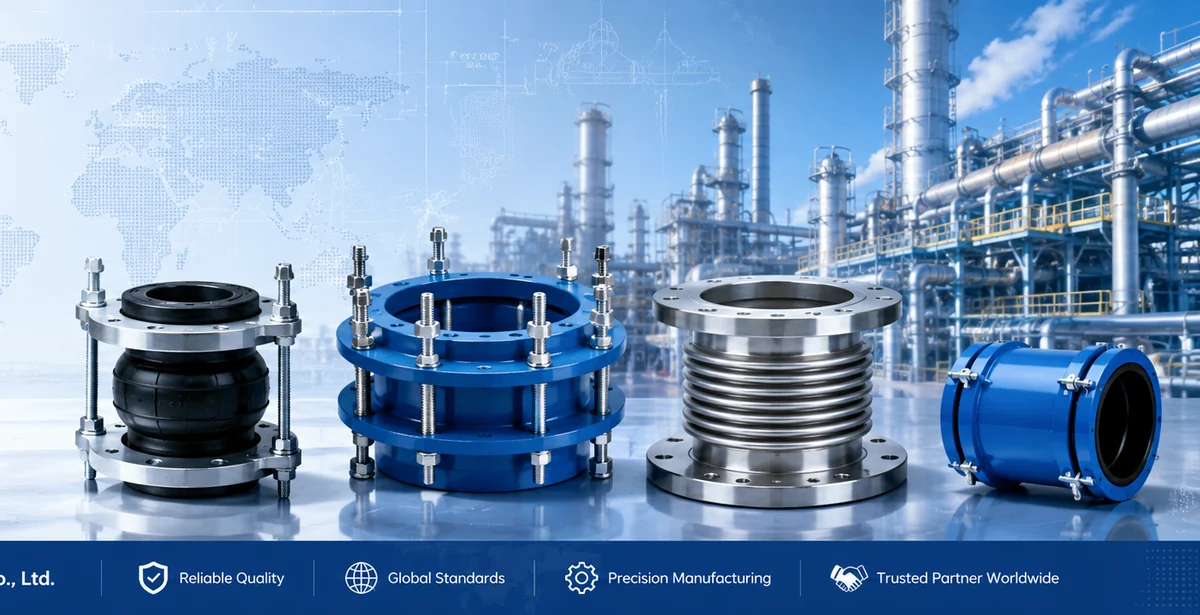
คู่มือภาพสำหรับการเลือกอุปกรณ์ท่อ
2026-07-17 14:57:50
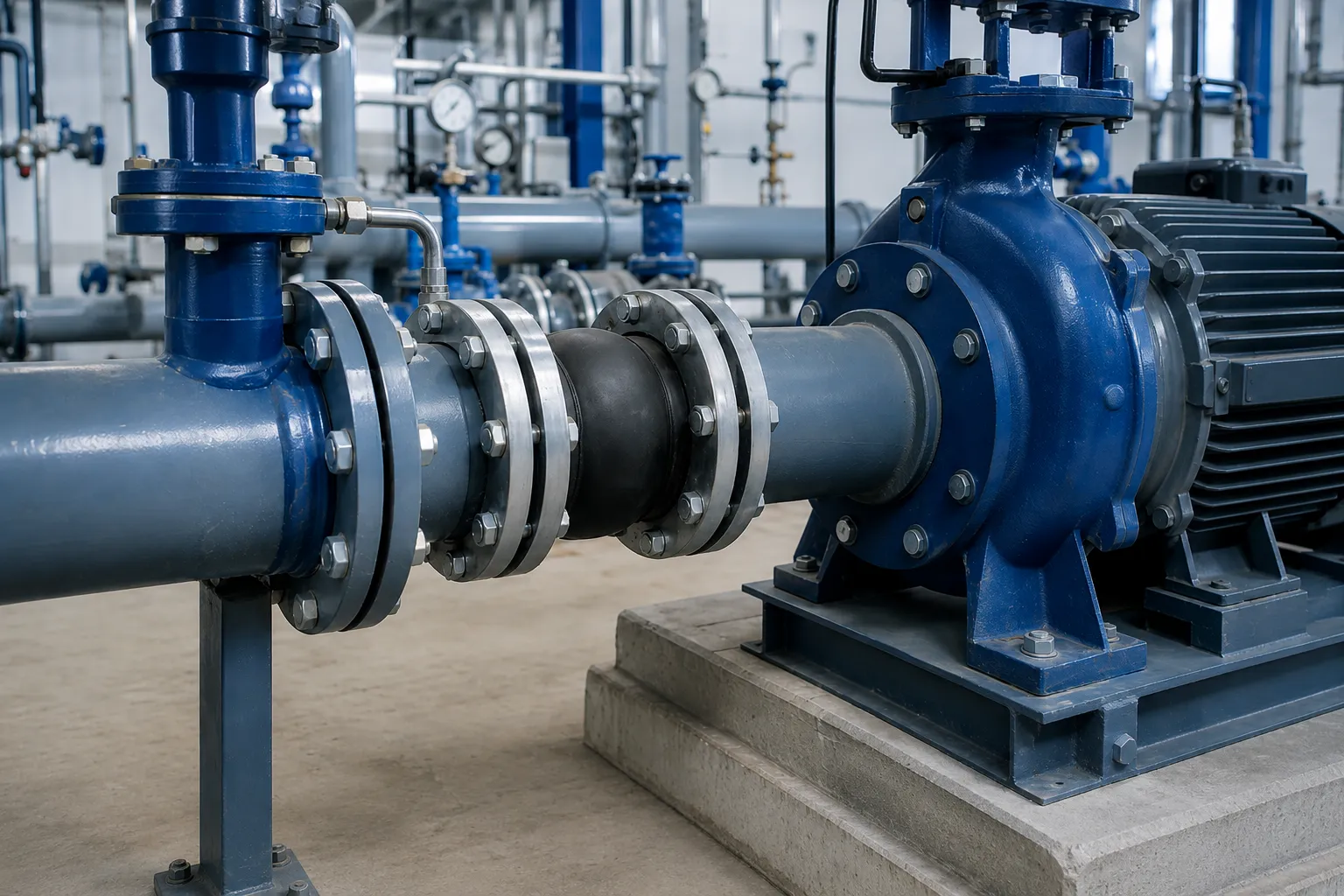
ข้อต่อยางทรงกลมเดี่ยวสำหรับสถานีสูบน้ำและท่อน้ำ
2026-07-17 14:57:47
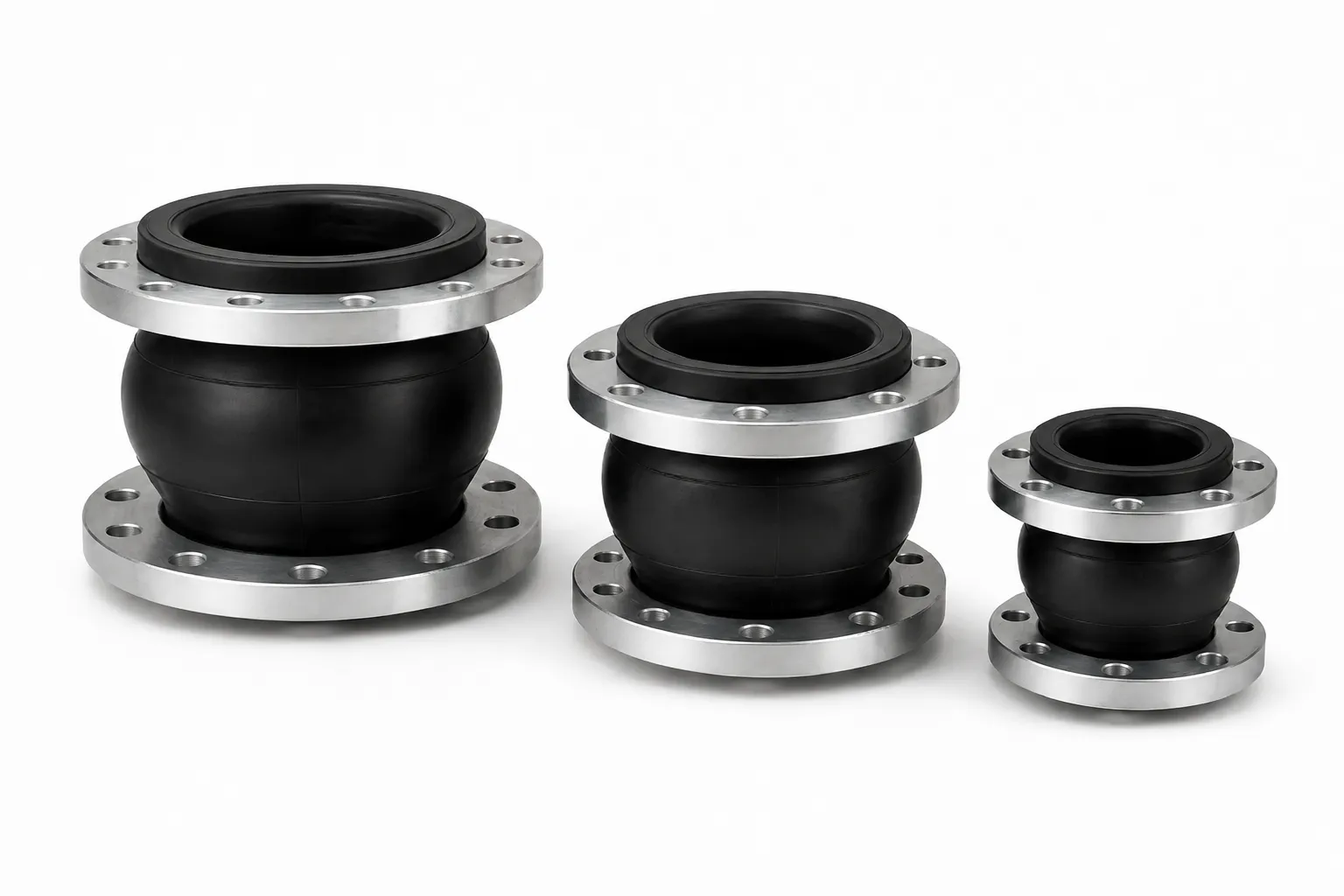
ข้อต่อยางยืดคืออะไร
2026-07-17 14:57:45
แผนข่าวบริษัทสำหรับเว็บไซต์อุปกรณ์ท่อ
2026-07-17 14:57:42
关联内容
คู่มือการใช้งาน
Rubber Expansion Joints for Pump Suction Lines: Vacuum Risks and Installation Checks
A pump suction line can drop below atmospheric pressure during startup, low water level or flow fluc ...
คู่มือเลือกสินค้า
คู่มือภาพสำหรับการเลือกอุปกรณ์ท่อ
คู่มือภาพสำหรับการเลือกอุปกรณ์ท่อ คู่มือสำหรับผู้ซื้อ B2B บทความนี้ช่วยผู้จัดซื้อด้านวิศวกรรม ผู้รับ ...
คู่มือการใช้งาน
ข้อต่อยางทรงกลมเดี่ยวสำหรับสถานีสูบน้ำและท่อน้ำ
ข้อต่อยางทรงกลมเดี่ยวสำหรับสถานีสูบน้ำและท่อน้ำ คู่มือสำหรับผู้ซื้อ B2B บทความนี้ช่วยผู้จัดซื้อด้านว ...
คู่มือเลือกสินค้า
ข้อต่อยางยืดคืออะไร
ข้อต่อยางยืดคืออะไร คู่มือสำหรับผู้ซื้อ B2B บทความนี้ช่วยผู้จัดซื้อด้านวิศวกรรม ผู้รับเหมา ผู้จัดจำห ...
常见问题
?What is the main difference between EPDM and NBR rubber expansion joints?
EPDM is generally preferred for water systems, outdoor exposure and applications requiring ozone and weather resistance. NBR is generally more suitable for mineral oils, lubricants, fuels and selected oil-containing media, but its outdoor weathering resistance is normally lower.
?Can an EPDM rubber expansion joint be used with diesel or lubricating oil?
Standard EPDM is generally unsuitable for diesel, mineral oil and petroleum-based lubricants. NBR or another oil-resistant elastomer should be evaluated according to the actual oil composition, additives and temperature.
?Can an NBR rubber expansion joint be used in a water system?
Selected NBR compounds can be used with water, but EPDM is generally considered first for common water systems. Temperature, additives, outdoor exposure and compliance requirements must also be reviewed.
?Can EPDM and NBR be identified by colour?
No. Colour, smell and surface appearance are not reliable identification methods. Check the purchase order, approved drawing, batch records and agreed material documentation.
?Should EPDM or NBR be used for wastewater?
The decision depends on the wastewater composition. General wastewater may allow EPDM, while wastewater containing mineral oil or fuel may require NBR or another material. Chemicals, concentration and temperature must be confirmed.
?Does EPDM automatically qualify for potable-water service?
No. EPDM is only the base polymer family. Potable-water service requires confirmation of the specific compound, production controls and the compliance documents required by the target project or market.