 简体中文
简体中文  English
  日本語
日本語  한국어
한국어  Français
  Deutsch
  Español
  Português
  Русский
  العربية
  ไทย
ไทย  Tiếng Việt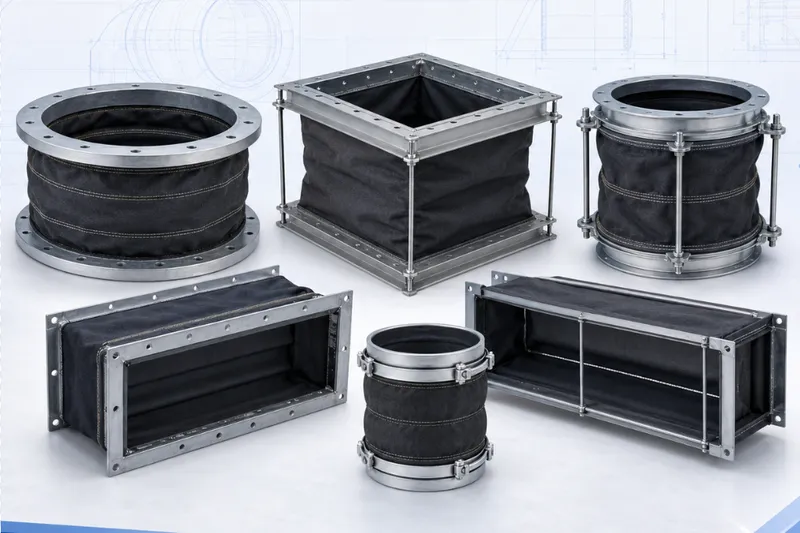
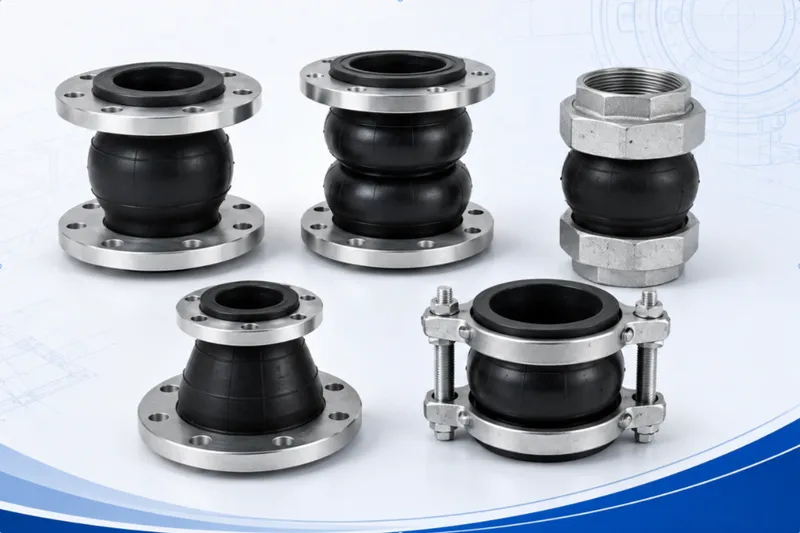
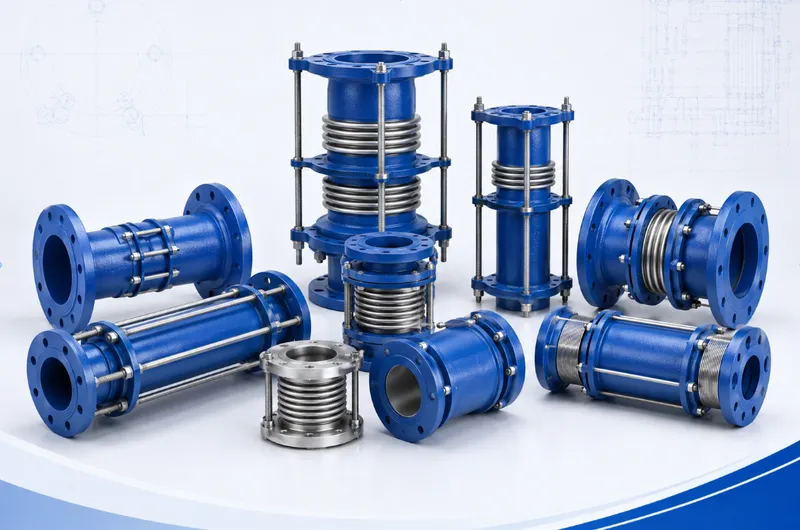
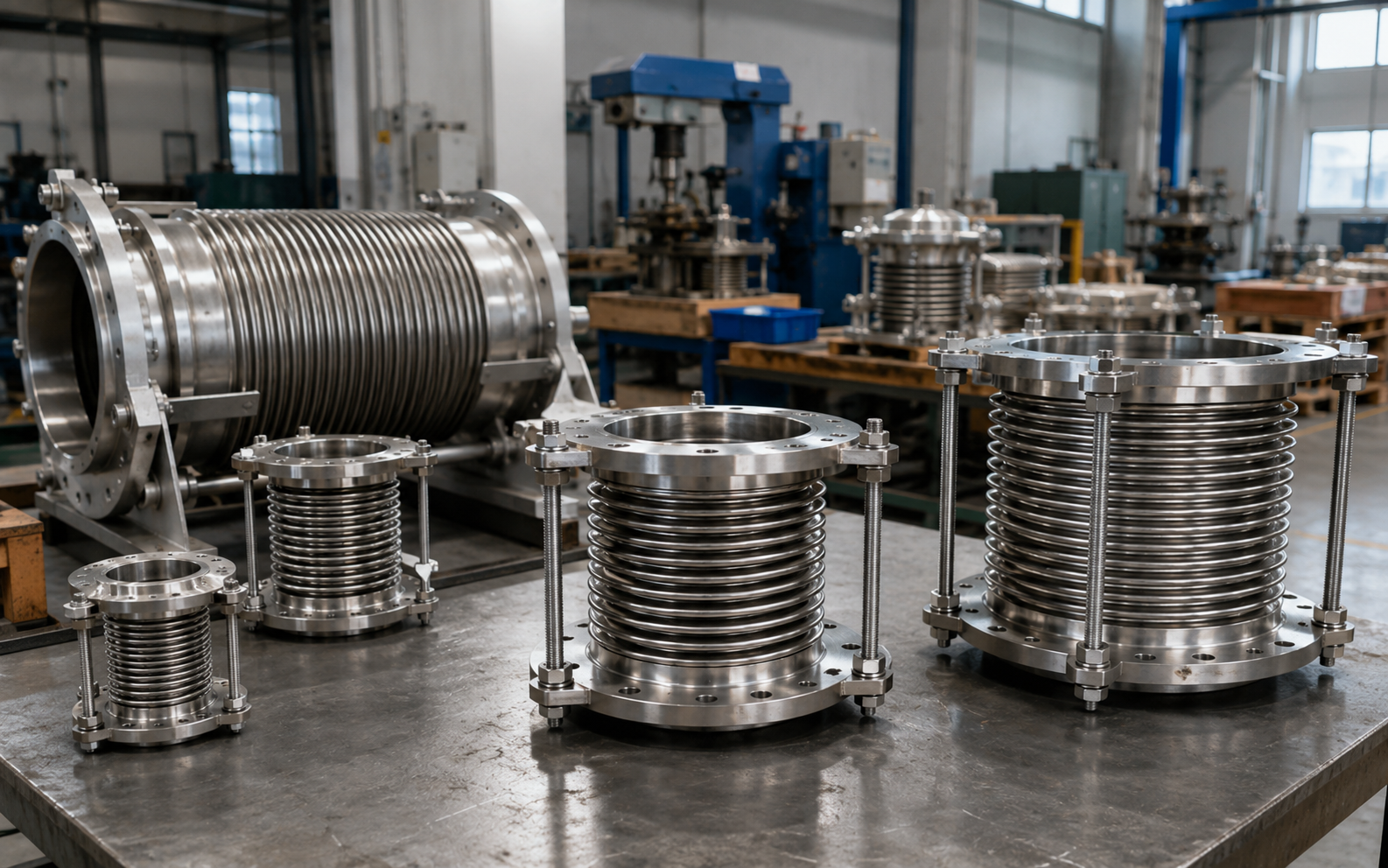
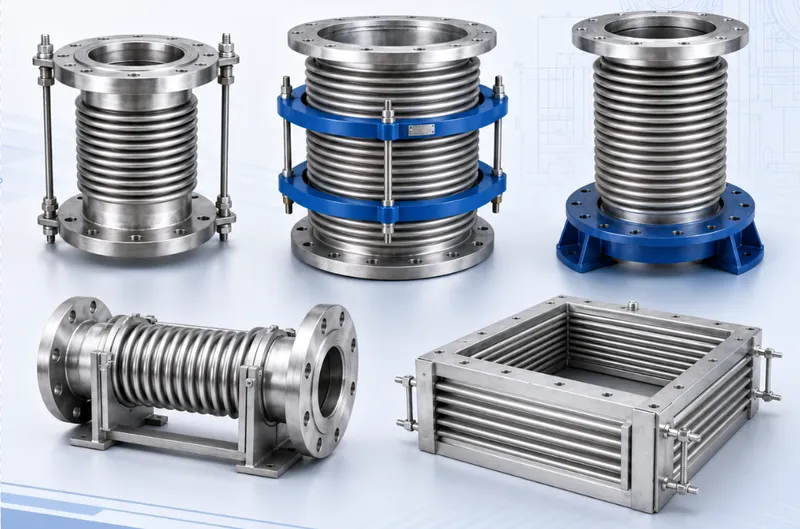
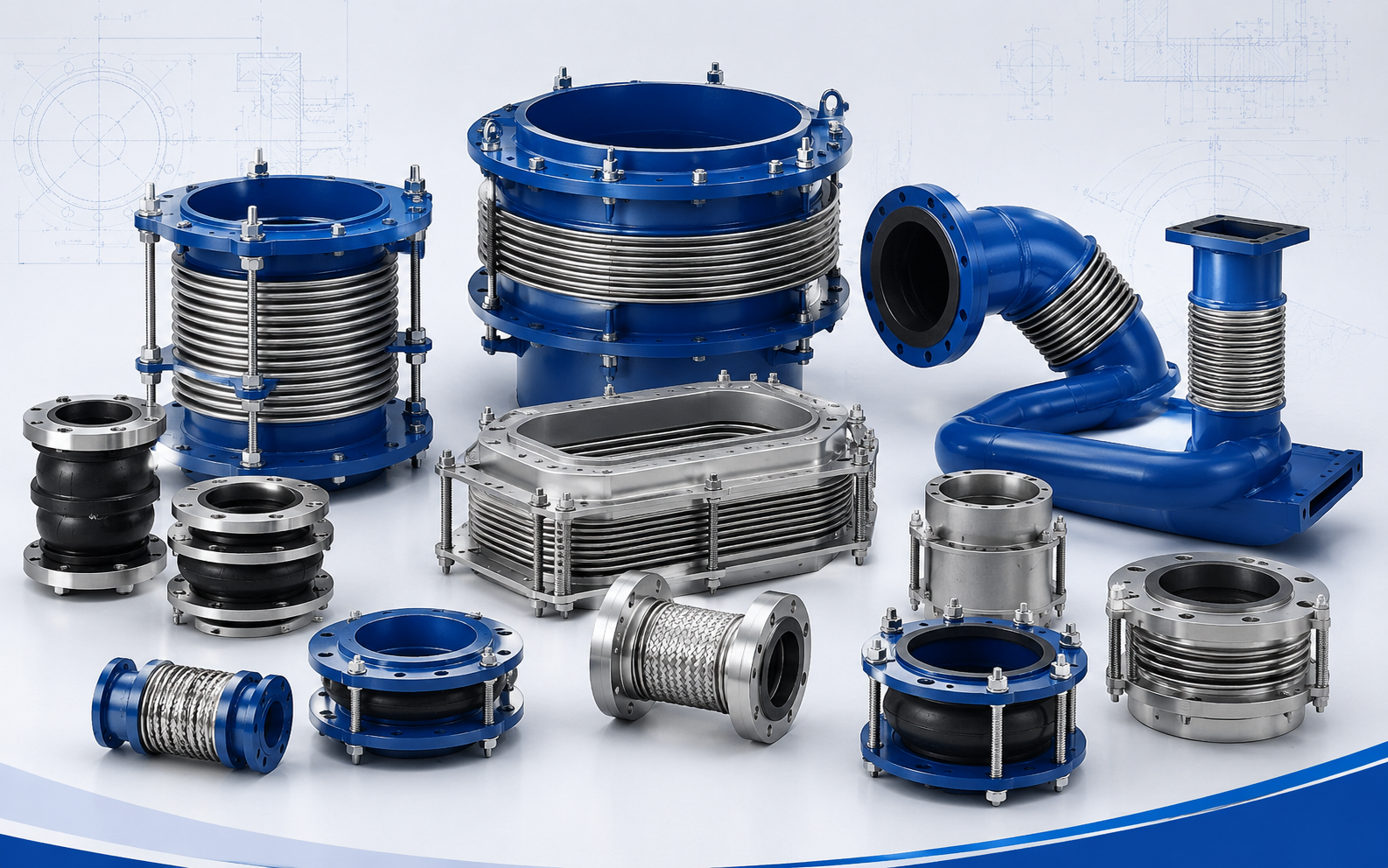

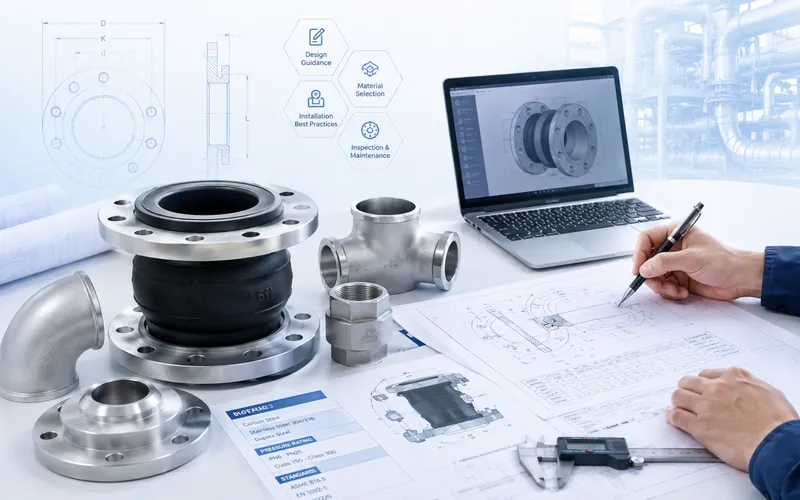
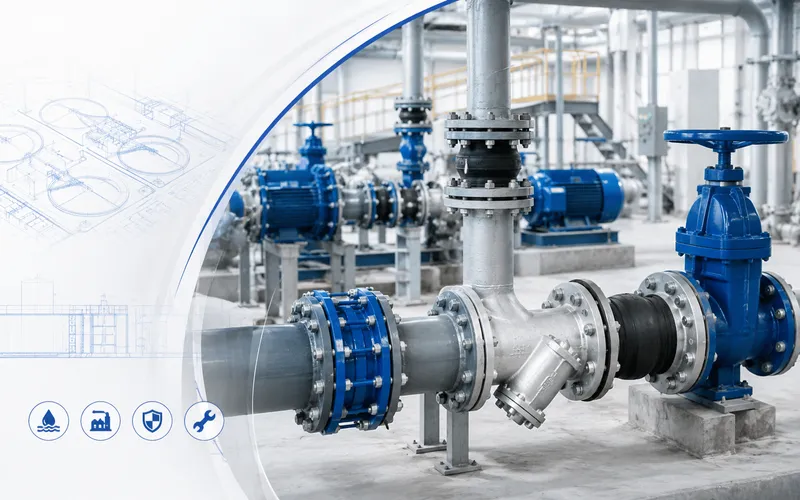
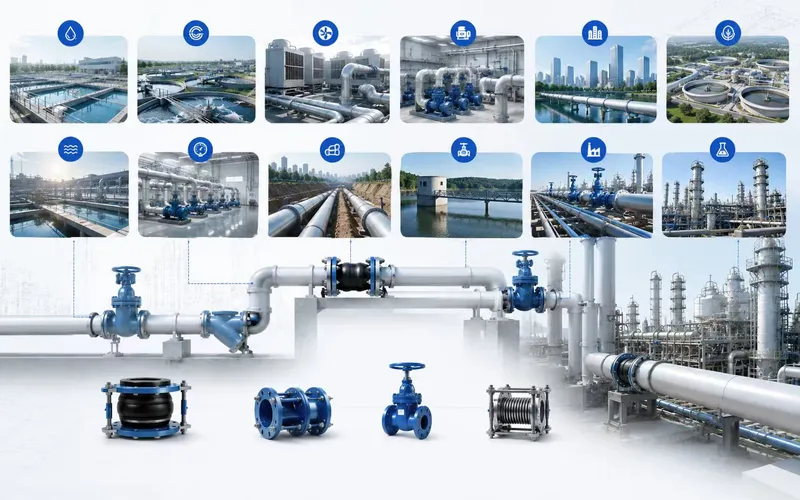
# EPDM und NBR Gummi-Kompensatoren im Vergleich\n\n## Leitfaden für B2B-Einkäufer\n\nDieser Artikel hilft technischen Einkäufern, Anlagenbauern, Händlern und OEM/ODM-Kunden, die nötigen Angaben vor einer Anfrage vorzubereiten.\n\n## Rohrleitungsarmaturen: EPDM und NBR Gummi-Kompensatoren im Vergleich\n\nWählen Sie nicht nur nach Produktname. Prüfen Sie Rohrgröße, Druckstufe, Anschlussnorm, Werkstoff, Medium, Temperatur, Einbauposition, Menge und Zeichnung.\n\nRelevante Produkte können Gummi-Kompensatoren, Ausbaustücke, Rohrkupplungen, Flanschadapter, Metallbalgkompensatoren und Mauerdurchführungen sein.\n\n## RFQ\n\nFür ein schnelleres Angebot senden Sie DN, Druckstufe, Flanschnorm, Werkstoff, Medium, Temperatur, Menge, Zeichnung oder Foto.\n\n- DN / size\n- pressure rating\n- connection standard\n- material\n- working medium and temperature\n- quantity\n- drawing, photo or specification\n\n## Quality and Packing\n\nVor Versand sollten Aussehen, Maße, Anschlussflächen, Zubehör, Kennzeichnung und Verpackung geprüft werden. Prüfanforderungen sind vor Produktion zu bestätigen.\n\n## Project Inquiry\n\nSenden Sie für Ihr Projekt Größe, Druck, Anschlussnorm, Werkstoff, Medium, Menge und Zeichnung, damit die passende Konfiguration bestätigt werden kann.
Werkstoffe und Normen
EPDM und NBR Gummi-Kompensatoren im Vergleich
EPDM und NBR Gummi Kompensatoren im Vergleich Leitfaden für B2B Einkäufer Dieser Artikel hilft technischen Einkäufern Anlagenbauern Händlern und OEM ODM Kunden die nötigen Angaben vor einer Anfrage vorzubereiten Rohrleitungsarmaturen EPDM und NBR Gummi Kompens
最新文章
Rubber Expansion Joints for Pump Suction Lines: Vacuum Risks and Installation Checks
2026-07-31 17:27:34
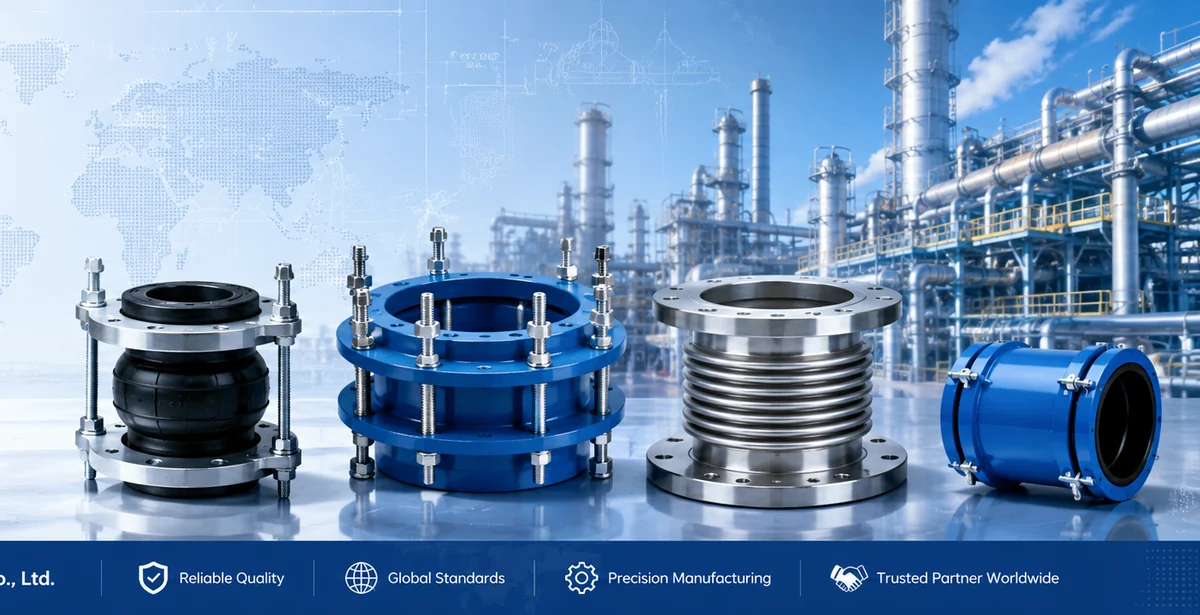
Visueller Auswahlleitfaden für Rohrleitungsarmaturen
2026-07-17 14:57:49
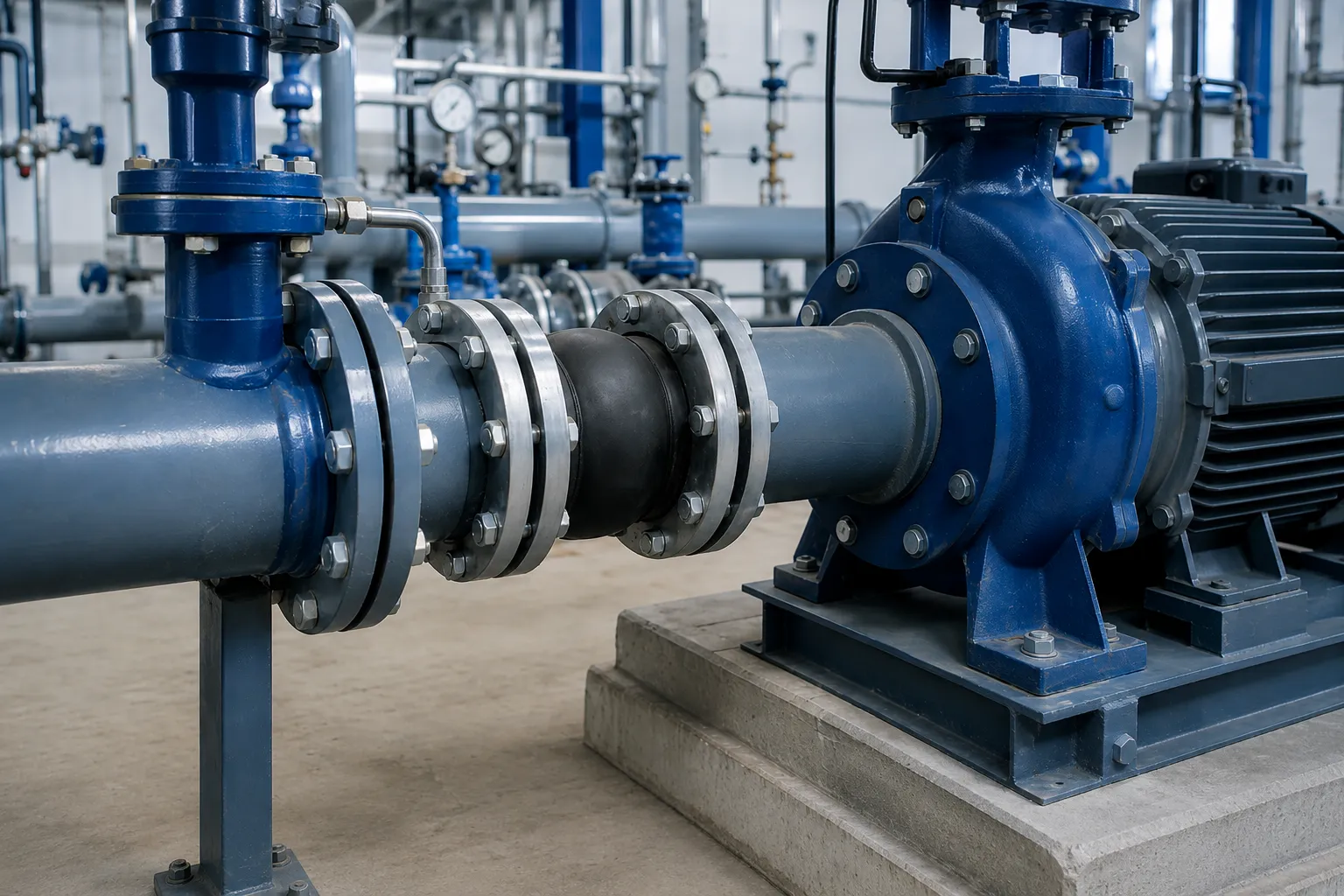
Einfachkugel-Gummi-Kompensator für Pumpstationen und Wasserleitungen
2026-07-17 14:57:46
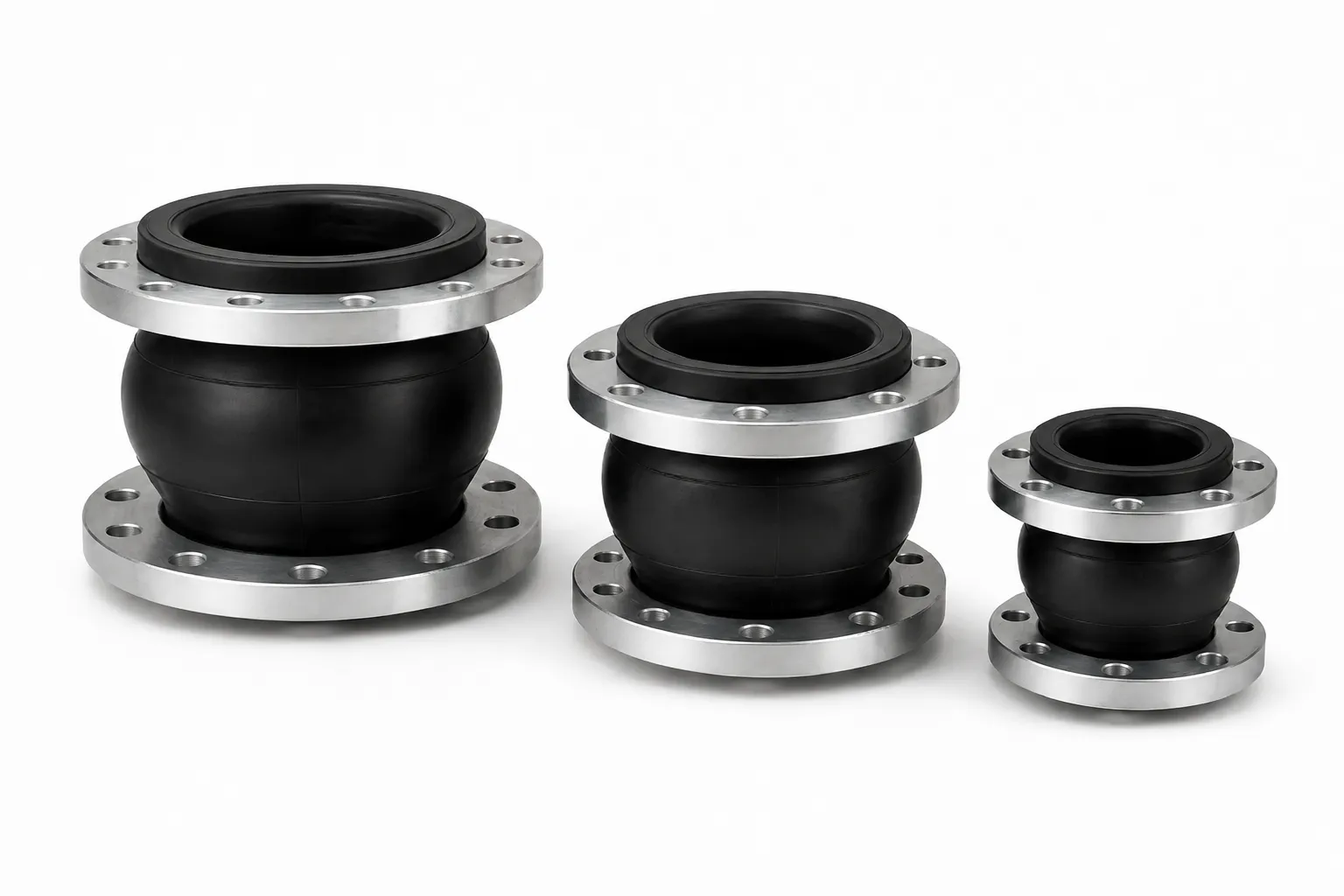
Was ist ein Gummi-Kompensator
2026-07-17 14:57:44
Inhaltsplan für Unternehmensnachrichten einer Armaturenseite
2026-07-17 14:57:41
关联内容
Anwendungsleitfäden
Rubber Expansion Joints for Pump Suction Lines: Vacuum Risks and Installation Checks
A pump suction line can drop below atmospheric pressure during startup, low water level or flow fluc ...
Produktauswahl-Leitfäden
Visueller Auswahlleitfaden für Rohrleitungsarmaturen
Visueller Auswahlleitfaden für Rohrleitungsarmaturen Leitfaden für B2B Einkäufer Dieser Artikel hilf ...
Anwendungsleitfäden
Einfachkugel-Gummi-Kompensator für Pumpstationen und Wasserleitungen
Einfachkugel Gummi Kompensator für Pumpstationen und Wasserleitungen Leitfaden für B2B Einkäufer Die ...
Produktauswahl-Leitfäden
Was ist ein Gummi-Kompensator
Was ist ein Gummi Kompensator Leitfaden für B2B Einkäufer Dieser Artikel hilft technischen Einkäufer ...
常见问题
?What is the main difference between EPDM and NBR rubber expansion joints?
EPDM is generally preferred for water systems, outdoor exposure and applications requiring ozone and weather resistance. NBR is generally more suitable for mineral oils, lubricants, fuels and selected oil-containing media, but its outdoor weathering resistance is normally lower.
?Can an EPDM rubber expansion joint be used with diesel or lubricating oil?
Standard EPDM is generally unsuitable for diesel, mineral oil and petroleum-based lubricants. NBR or another oil-resistant elastomer should be evaluated according to the actual oil composition, additives and temperature.
?Can an NBR rubber expansion joint be used in a water system?
Selected NBR compounds can be used with water, but EPDM is generally considered first for common water systems. Temperature, additives, outdoor exposure and compliance requirements must also be reviewed.
?Can EPDM and NBR be identified by colour?
No. Colour, smell and surface appearance are not reliable identification methods. Check the purchase order, approved drawing, batch records and agreed material documentation.
?Should EPDM or NBR be used for wastewater?
The decision depends on the wastewater composition. General wastewater may allow EPDM, while wastewater containing mineral oil or fuel may require NBR or another material. Chemicals, concentration and temperature must be confirmed.
?Does EPDM automatically qualify for potable-water service?
No. EPDM is only the base polymer family. Potable-water service requires confirmation of the specific compound, production controls and the compliance documents required by the target project or market.