 简体中文
简体中文  English
  日本語
日本語  한국어
한국어  Français
  Deutsch
  Español
  Português
  Русский
  العربية
  ไทย
ไทย  Tiếng Việt
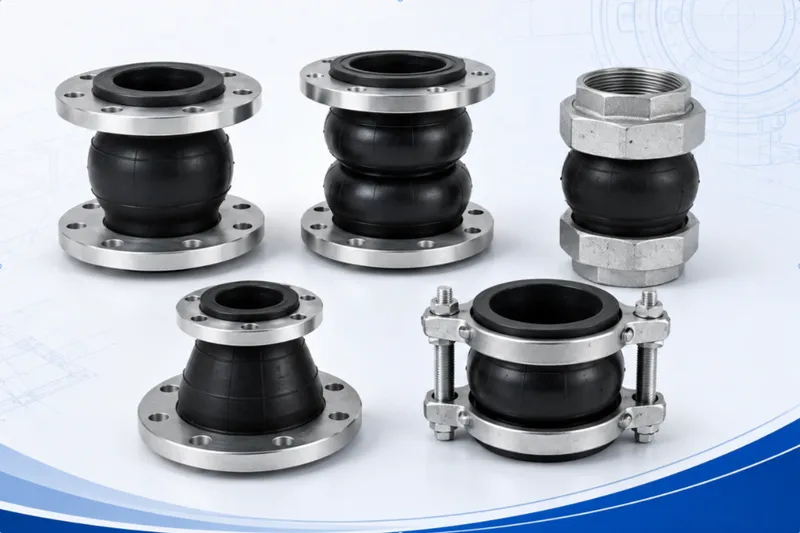

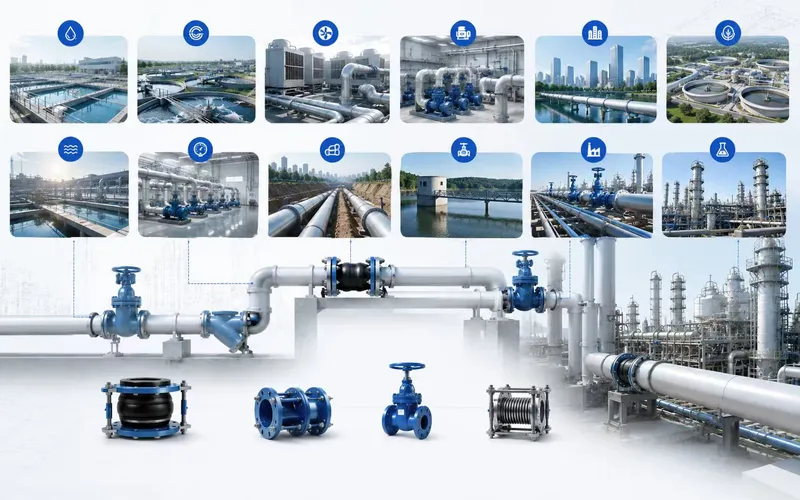
# ゴム伸縮継手の取付ガイド\n\n## B2Bバイヤー向けガイド\n\n本記事は、海外の技術購買、施工会社、販売代理店、OEM/ODM顧客が、見積依頼前に必要な技術情報を整理できるように作成されています。\n\n## 配管部品: ゴム伸縮継手の取付ガイド\n\n製品名だけで判断せず、配管サイズ、圧力、接続規格、材質、流体、温度、設置位置、数量、図面を確認してください。\n\n関連製品にはゴム伸縮継手、伝力継手、管継手、フランジアダプター、金属ベローズ伸縮継手、防水スリーブなどがあります。\n\n## RFQ\n\n見積を早く正確にするには、DNサイズ、圧力等級、フランジ規格、材質、使用流体、温度、数量、図面または写真を送ってください。\n\n- DN / size\n- pressure rating\n- connection standard\n- material\n- working medium and temperature\n- quantity\n- drawing, photo or specification\n\n## Quality and Packing\n\n出荷前には外観、寸法、接続面、付属部品、表示、梱包方法を確認します。試験要求は生産前に確認してください。\n\n## Project Inquiry\n\nプロジェクト用の配管部品が必要な場合は、サイズ、圧力、接続規格、材質、流体、数量、図面をお送りください。
关联内容
用途ガイド
Rubber Expansion Joints for Pump Suction Lines: Vacuum Risks and Installation Checks
A pump suction line can drop below atmospheric pressure during startup, low water level or flow fluc ...
製品選定ガイド
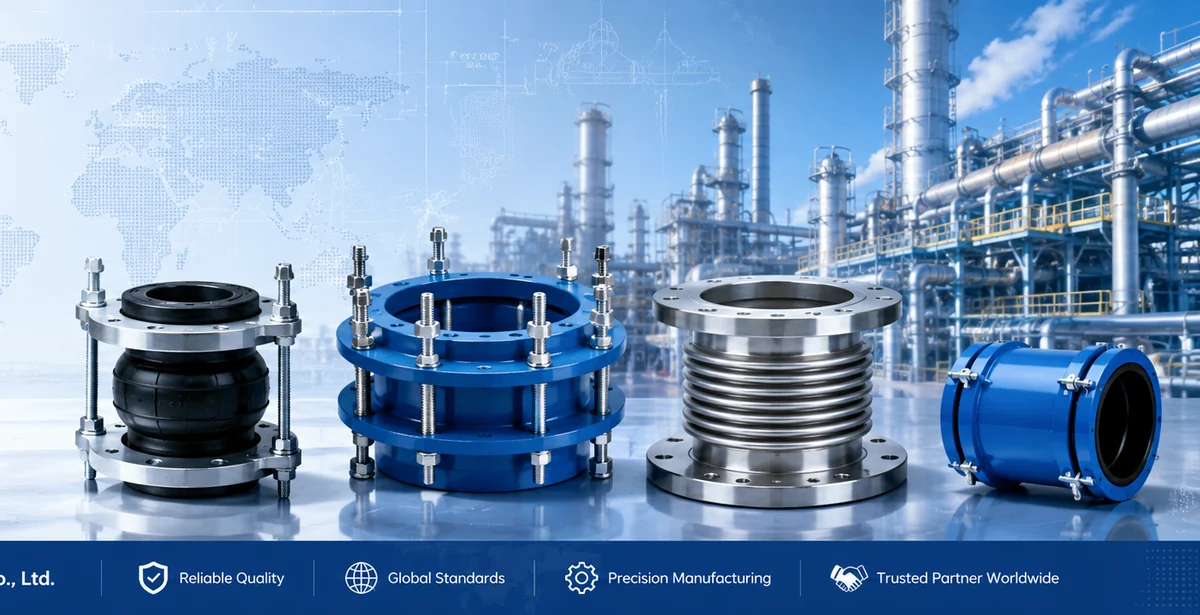
配管部品の図解選定ガイド
配管部品の図解選定ガイド B2Bバイヤー向けガイド 本記事は、海外の技術購買、施工会社、販売代理店、OEM ODM顧客が、見積依頼前に必要な技術情報を整理できるように作成されています。 配管部品 配管 ...
用途ガイド
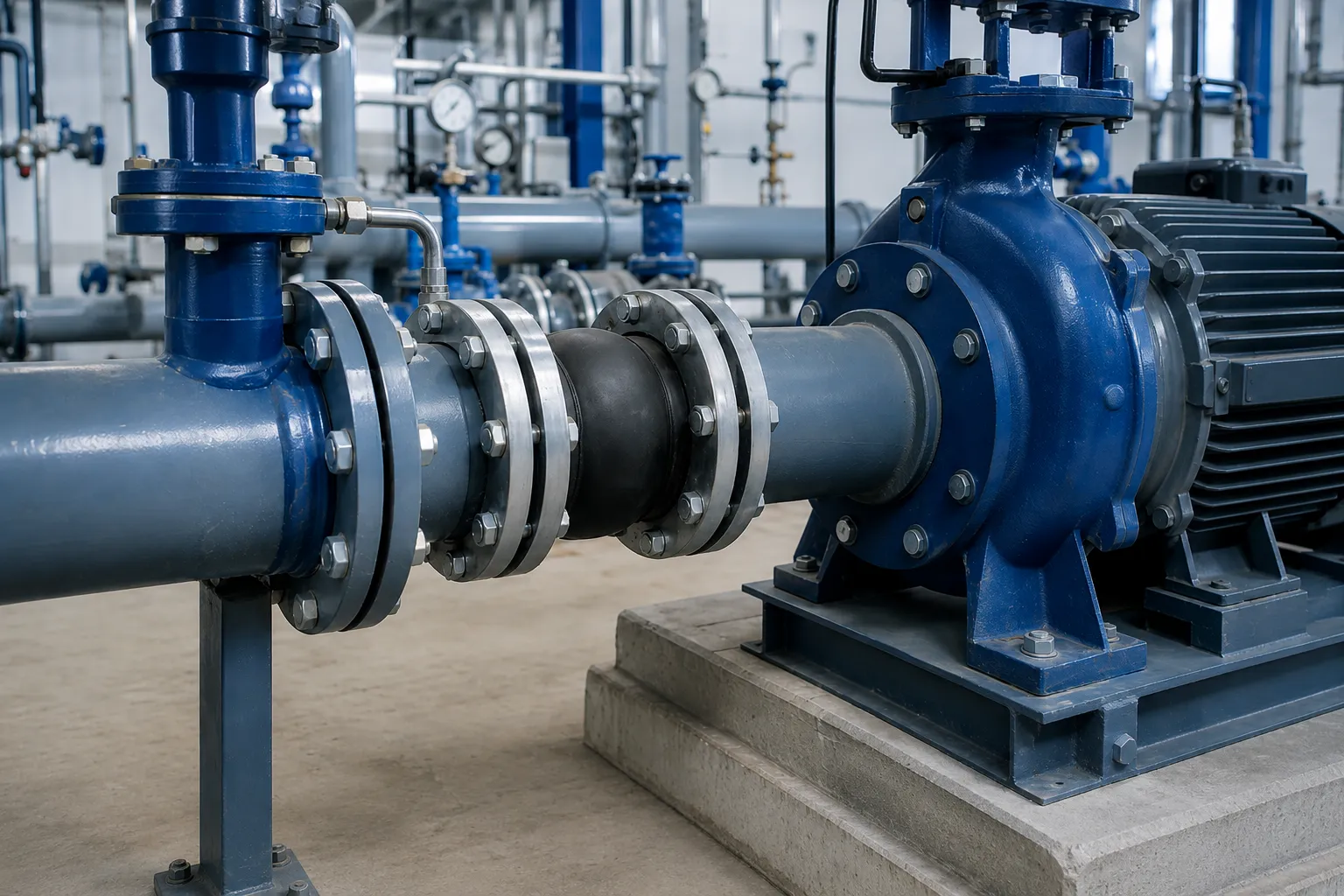
ポンプ場と水配管向け単球形ゴム伸縮継手
ポンプ場と水配管向け単球形ゴム伸縮継手 B2Bバイヤー向けガイド 本記事は、海外の技術購買、施工会社、販売代理店、OEM ODM顧客が、見積依頼前に必要な技術情報を整理できるように作成されています。 ...
製品選定ガイド
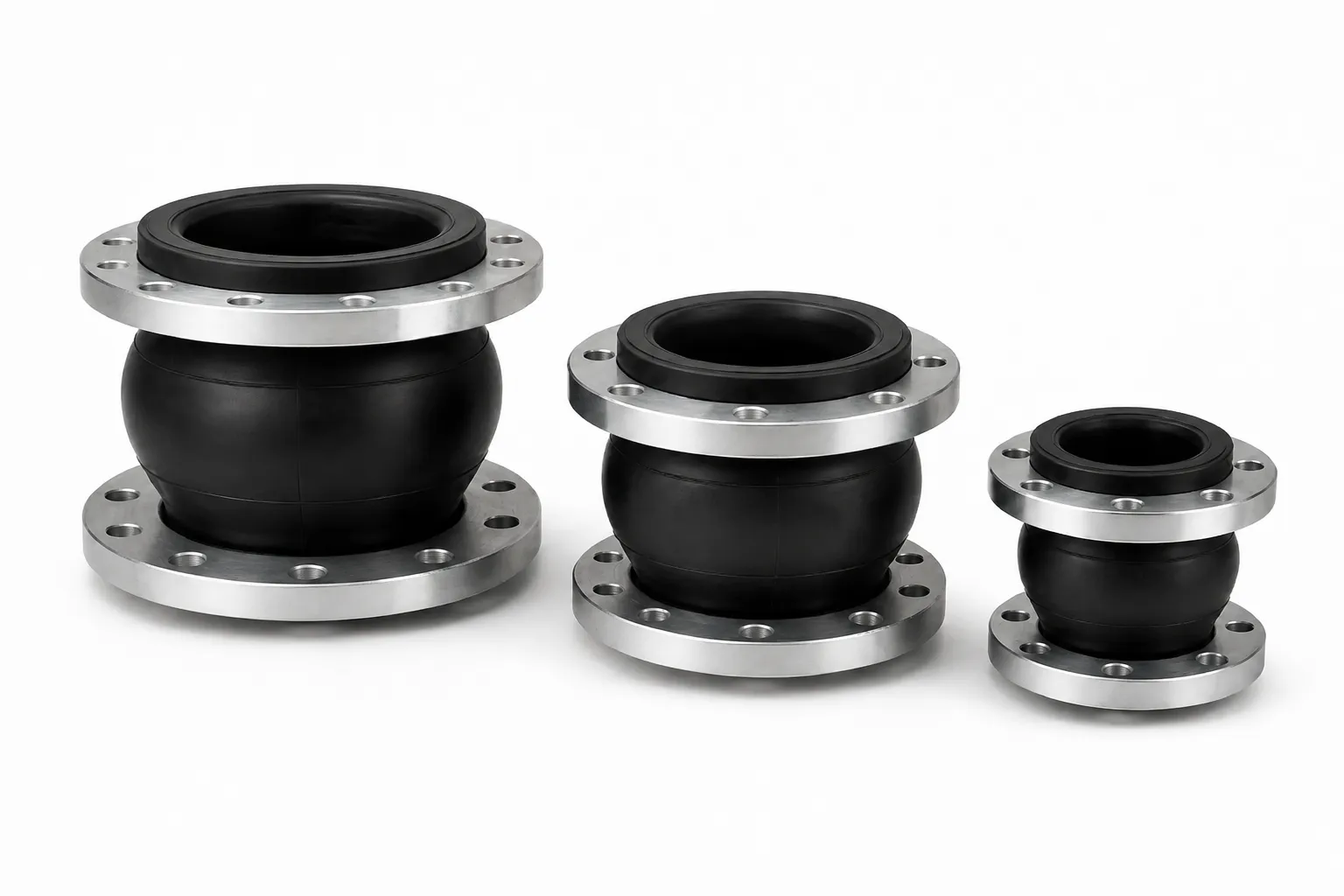
ゴム伸縮継手とは
ゴム伸縮継手とは B2Bバイヤー向けガイド 本記事は、海外の技術購買、施工会社、販売代理店、OEM ODM顧客が、見積依頼前に必要な技術情報を整理できるように作成されています。 配管部品 ゴム伸縮継手 ...
常见问题
?Can a rubber expansion joint be used to correct pipe misalignment?
It should not be used to force severely misaligned, angled or non-parallel flanges into position. The joint can accommodate limited approved movement, but the piping and equipment should be properly aligned before installation.
?Is an additional flange gasket required?
It depends on the product-end and sealing construction. Some integral rubber flange designs provide their own sealing surface, while other products may require a specified gasket. Follow the approved drawing and installation instructions.
?Can a rubber expansion joint support a pump, valve or pipe?
No. Pumps, valves, pipes and equipment must be supported independently by foundations, hangers or pipe supports. The rubber expansion joint should not be used as a load-bearing component.
?Are control rods required for every rubber expansion joint?
Not always. Their need depends on internal-pressure thrust, pipe anchors, equipment-nozzle loads, operating movement and pullout risk.
?How should flange bolts be tightened?
Install all bolts first and tighten them gradually in a cross pattern. Do not fully tighten one bolt or one side before the others, and do not apply an unsupported universal torque value.
?Can a leaking rubber joint be tightened while the pipeline is pressurized?
The joint should not be adjusted or dismantled under pressure. Shut down and isolate the pipeline, fully depressurize it and then inspect the alignment, sealing surfaces, fasteners and rubber body.