 简体中文
简体中文  English
  日本語
日本語  한국어
한국어  Français
  Deutsch
  Español
  Português
  Русский
  العربية
  ไทย
ไทย  Tiếng Việt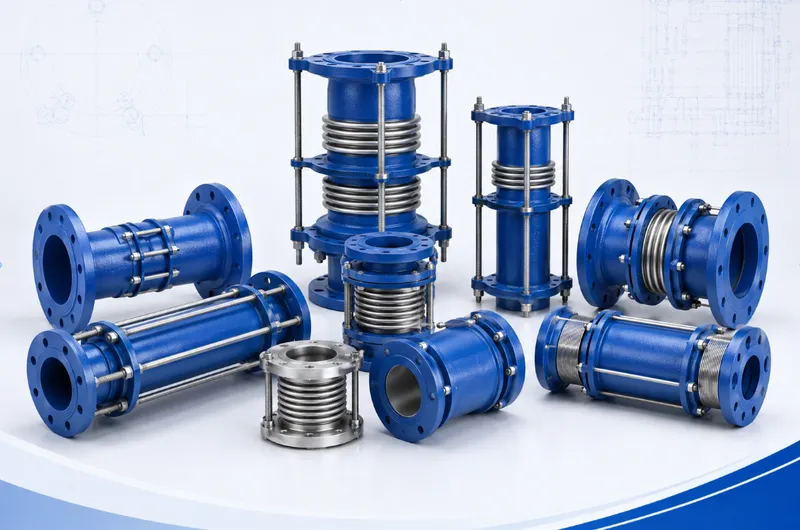
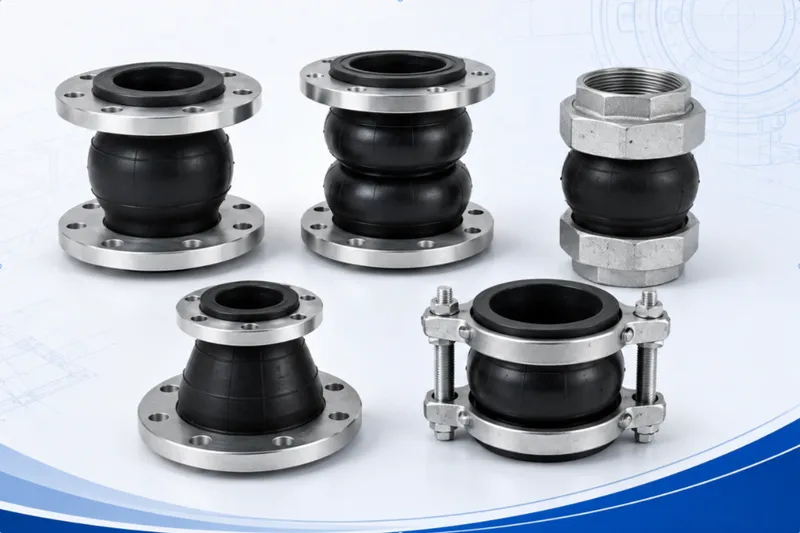
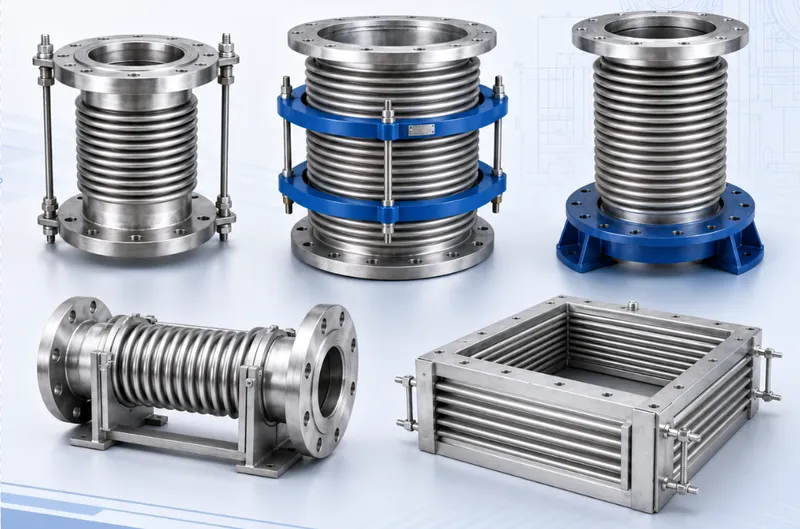
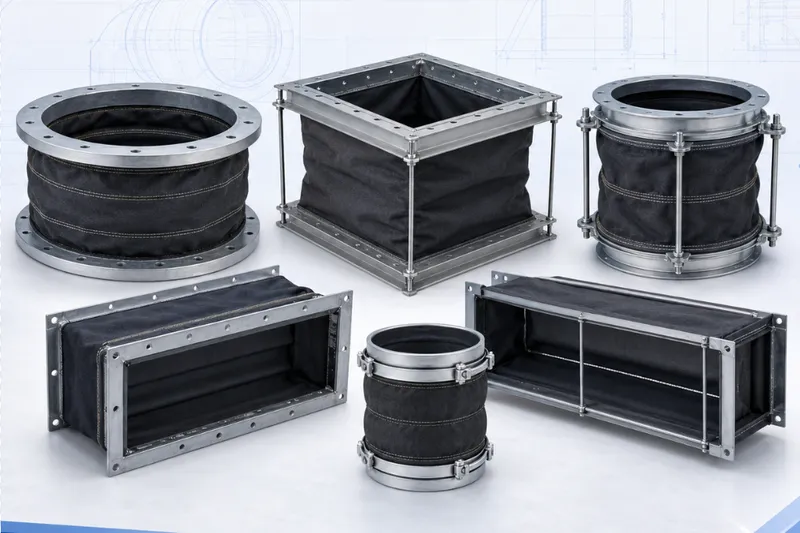
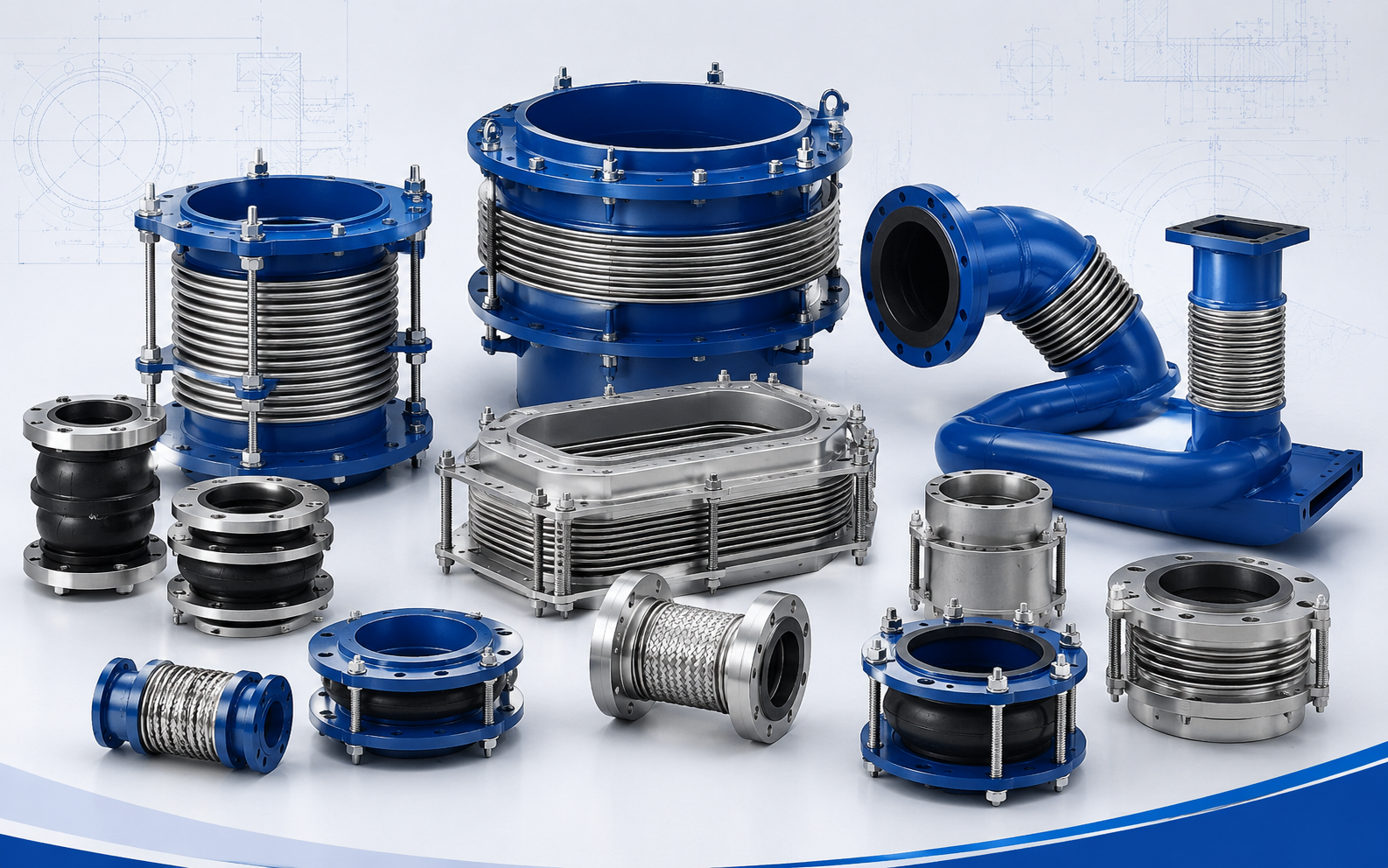
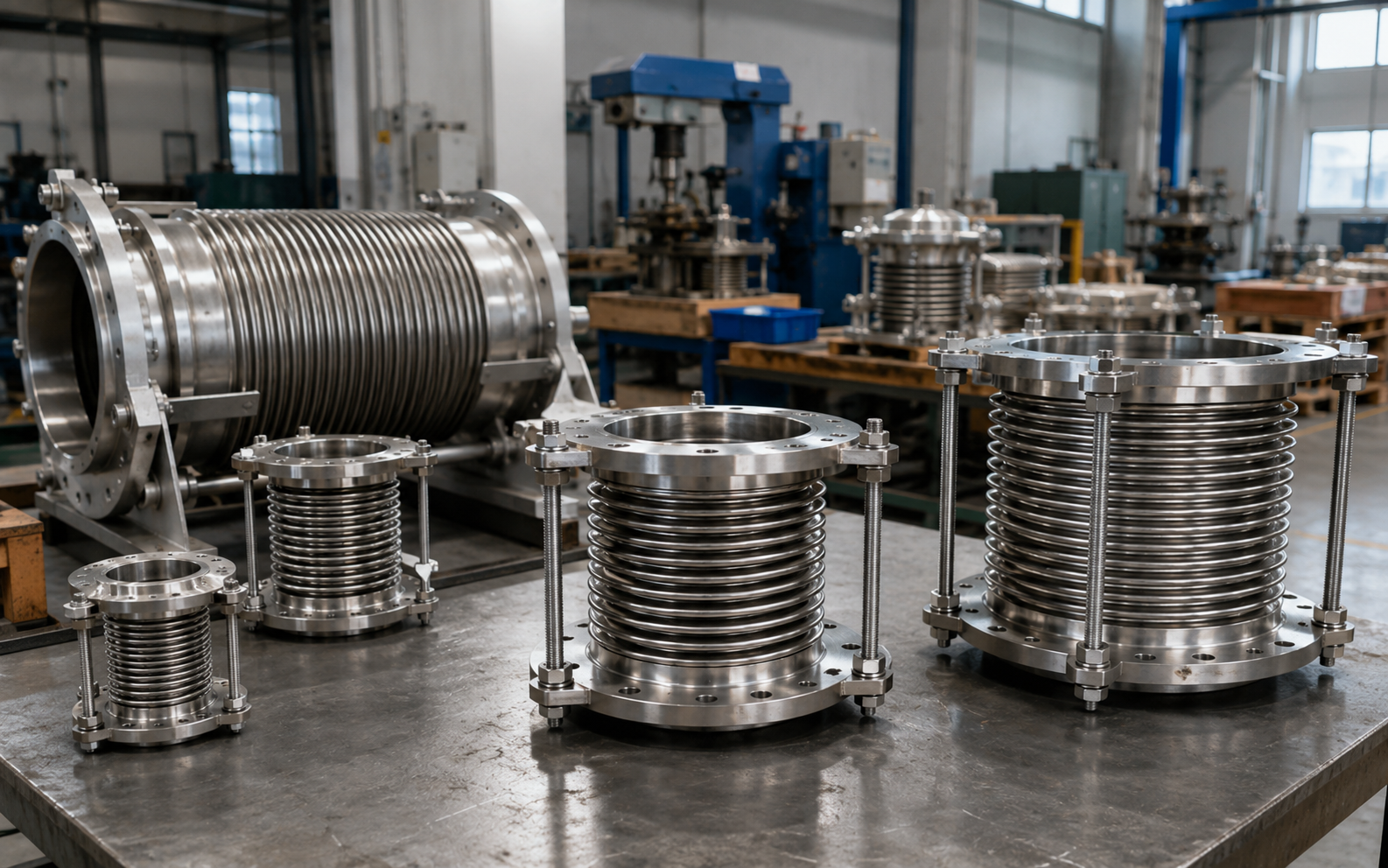

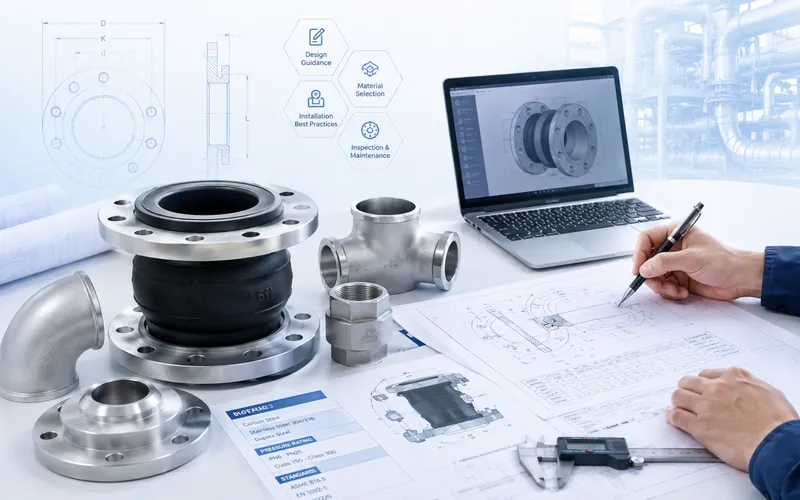
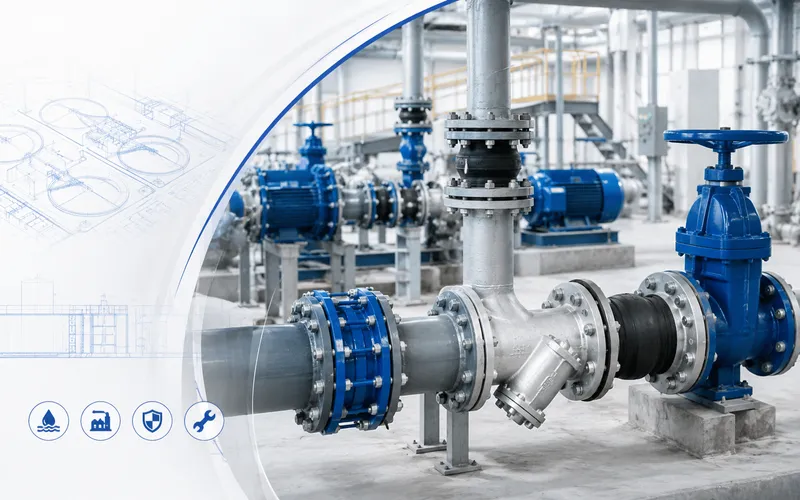
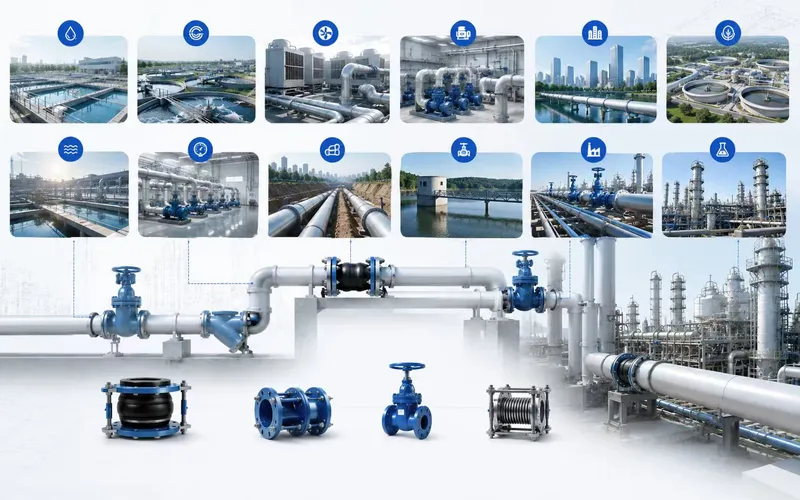
# Guia de instalação de juntas de borracha\n\n## Guia para compradores B2B\n\nEste artigo ajuda compradores técnicos, empreiteiros, distribuidores e clientes OEM/ODM a preparar as informações necessárias antes da solicitação de cotação.\n\n## Conexões de tubulação: Guia de instalação de juntas de borracha\n\nNão selecione apenas pelo nome do produto. Confirme tamanho da tubulação, pressão, padrão de conexão, material, fluido, temperatura, posição de instalação, quantidade e desenho.\n\nOs produtos relacionados podem incluir juntas de expansão de borracha, juntas de desmontagem, acoplamentos de tubo, adaptadores de flange, compensadores metálicos e mangas impermeáveis.\n\n## RFQ\n\nPara uma cotação mais rápida, envie DN, pressão, padrão de flange, material, fluido, temperatura, quantidade, desenho ou foto.\n\n- DN / size\n- pressure rating\n- connection standard\n- material\n- working medium and temperature\n- quantity\n- drawing, photo or specification\n\n## Quality and Packing\n\nAntes do envio, verifique aparência, dimensões, faces de conexão, acessórios, etiquetas e embalagem. Requisitos de teste devem ser confirmados antes da produção.\n\n## Project Inquiry\n\nEnvie tamanho, pressão, padrão de conexão, material, fluido, quantidade e desenho para confirmar a configuração do projeto.
Instalação e manutenção
Guia de instalação de juntas de borracha
Guia de instalação de juntas de borracha Guia para compradores B2B Este artigo ajuda compradores técnicos empreiteiros distribuidores e clientes OEM ODM a preparar as informações necessárias antes da solicitação de cotação Conexões de tubulação Guia de instala
最新文章
Rubber Expansion Joints for Pump Suction Lines: Vacuum Risks and Installation Checks
2026-07-31 17:27:34
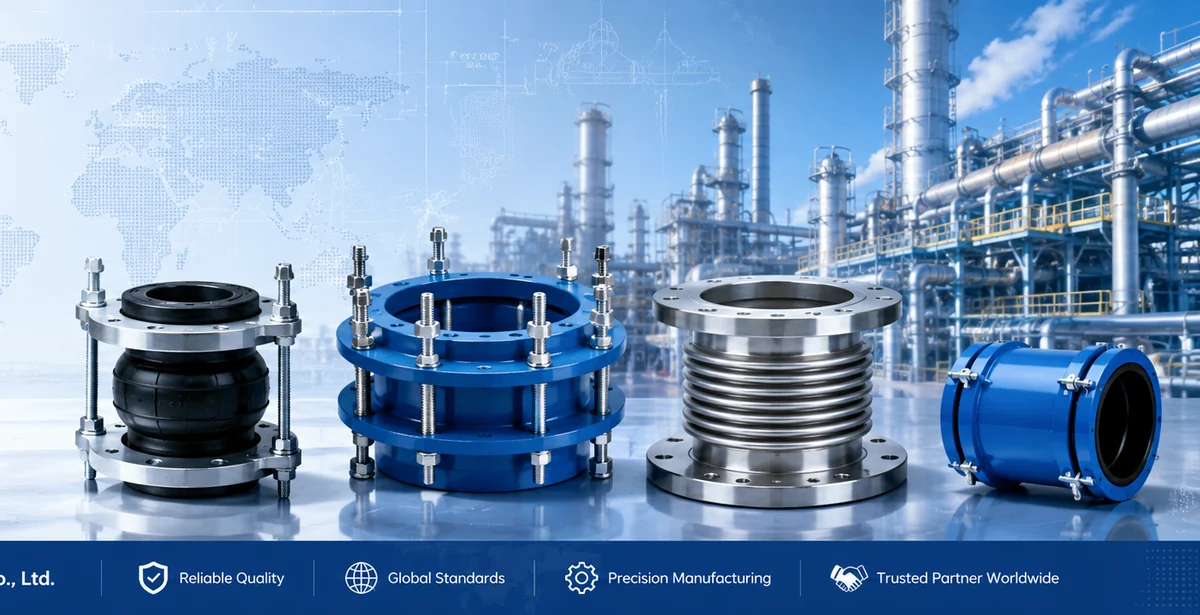
Guia visual de seleção de conexões de tubulação
2026-07-17 14:57:49
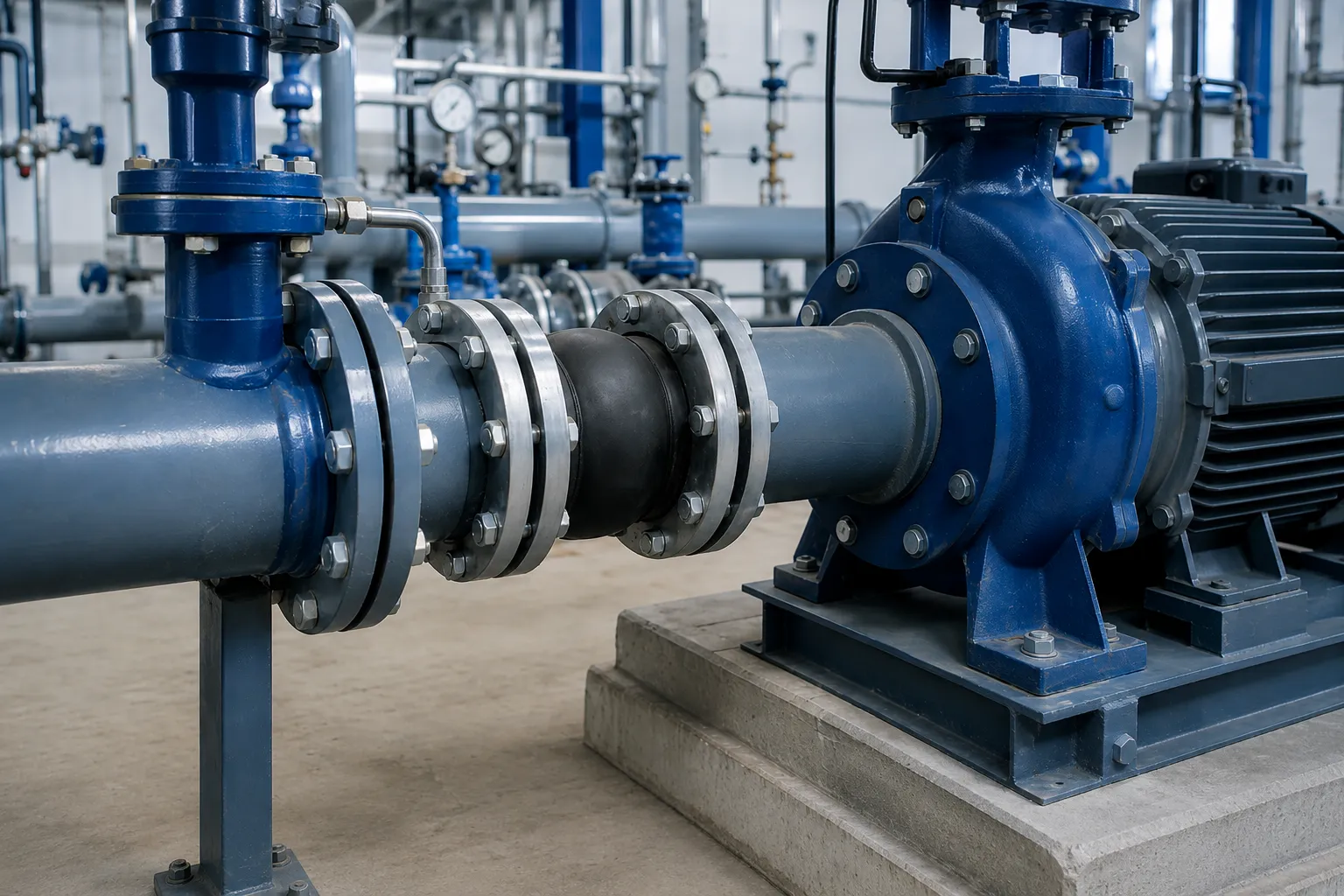
Junta de borracha de esfera simples para bombas e água
2026-07-17 14:57:47
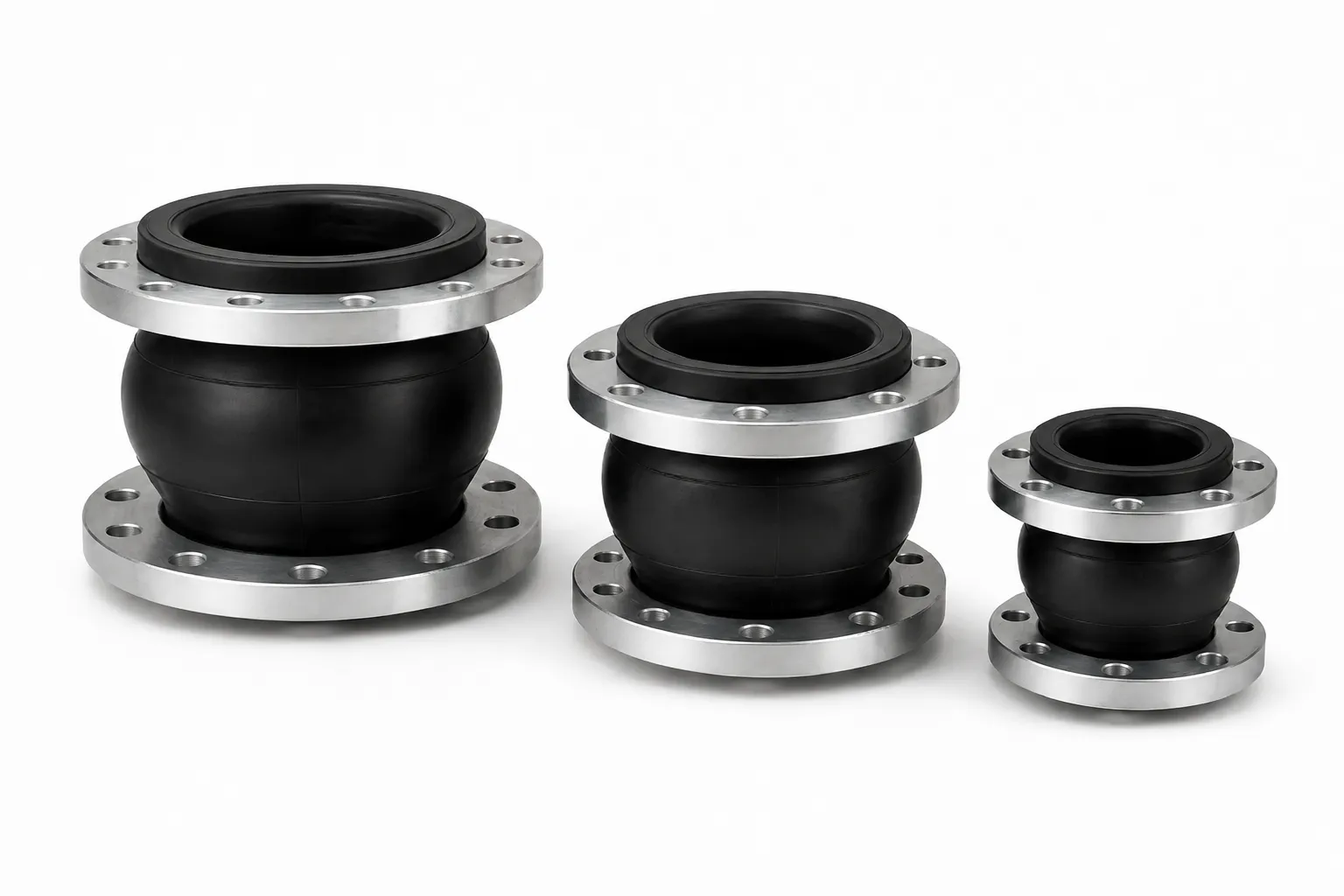
O que é uma junta de expansão de borracha
2026-07-17 14:57:44
Plano de notícias para site de conexões de tubulação
2026-07-17 14:57:42
关联内容
Guias de aplicação
Rubber Expansion Joints for Pump Suction Lines: Vacuum Risks and Installation Checks
A pump suction line can drop below atmospheric pressure during startup, low water level or flow fluc ...
Guias de seleção de produtos
Guia visual de seleção de conexões de tubulação
Guia visual de seleção de conexões de tubulação Guia para compradores B2B Este artigo ajuda comprado ...
Guias de aplicação
Junta de borracha de esfera simples para bombas e água
Junta de borracha de esfera simples para bombas e água Guia para compradores B2B Este artigo ajuda c ...
Guias de seleção de produtos
O que é uma junta de expansão de borracha
O que é uma junta de expansão de borracha Guia para compradores B2B Este artigo ajuda compradores té ...
常见问题
?Can a rubber expansion joint be used to correct pipe misalignment?
It should not be used to force severely misaligned, angled or non-parallel flanges into position. The joint can accommodate limited approved movement, but the piping and equipment should be properly aligned before installation.
?Is an additional flange gasket required?
It depends on the product-end and sealing construction. Some integral rubber flange designs provide their own sealing surface, while other products may require a specified gasket. Follow the approved drawing and installation instructions.
?Can a rubber expansion joint support a pump, valve or pipe?
No. Pumps, valves, pipes and equipment must be supported independently by foundations, hangers or pipe supports. The rubber expansion joint should not be used as a load-bearing component.
?Are control rods required for every rubber expansion joint?
Not always. Their need depends on internal-pressure thrust, pipe anchors, equipment-nozzle loads, operating movement and pullout risk.
?How should flange bolts be tightened?
Install all bolts first and tighten them gradually in a cross pattern. Do not fully tighten one bolt or one side before the others, and do not apply an unsupported universal torque value.
?Can a leaking rubber joint be tightened while the pipeline is pressurized?
The joint should not be adjusted or dismantled under pressure. Shut down and isolate the pipeline, fully depressurize it and then inspect the alignment, sealing surfaces, fasteners and rubber body.