 简体中文
简体中文  English
  日本語
日本語  한국어
한국어  Français
  Deutsch
  Español
  Português
  Русский
  العربية
  ไทย
ไทย  Tiếng Việt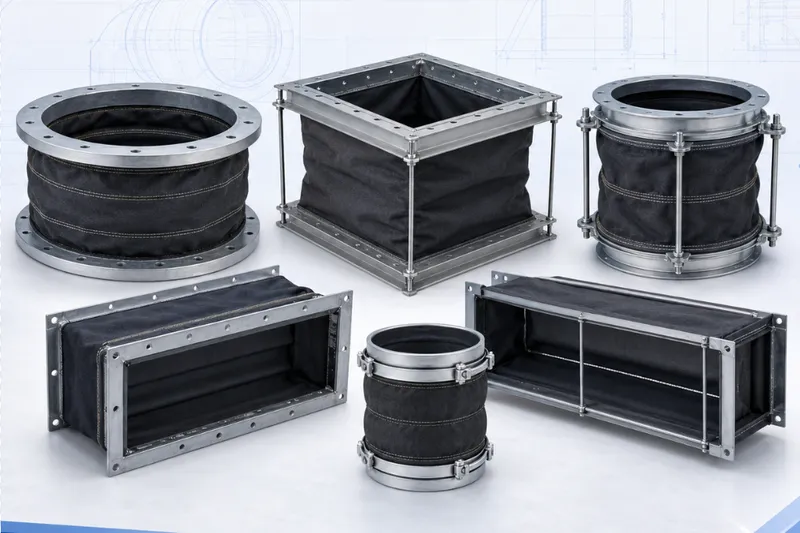
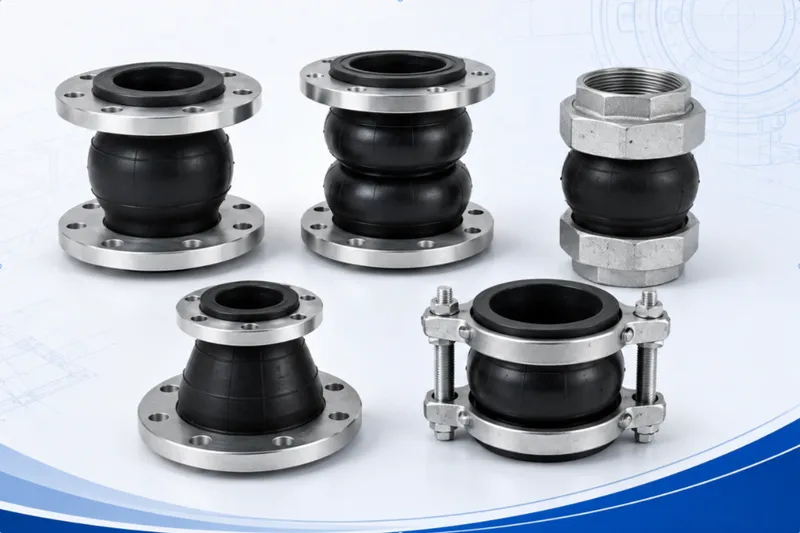
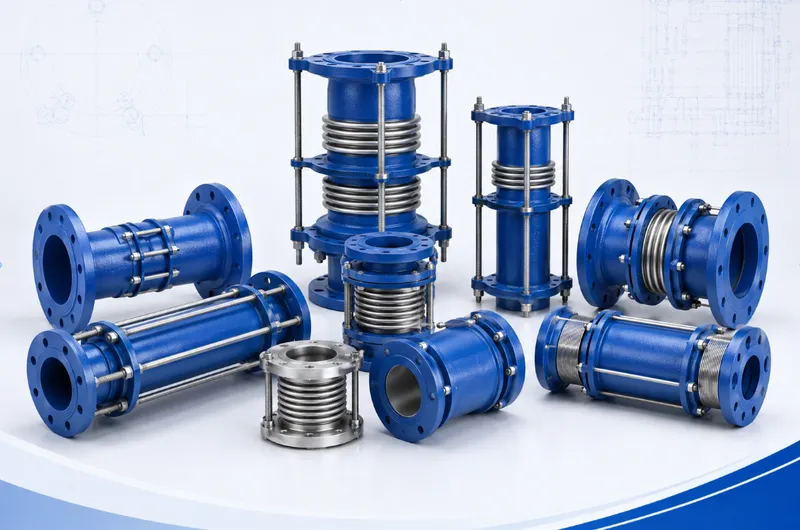
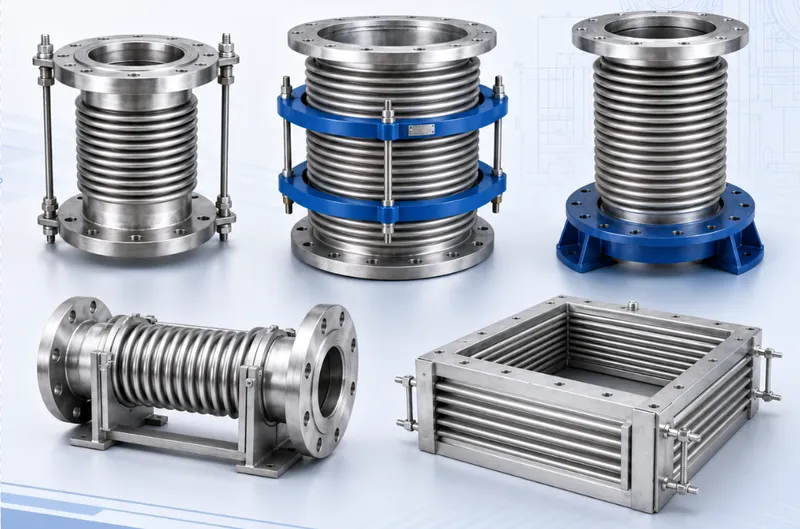
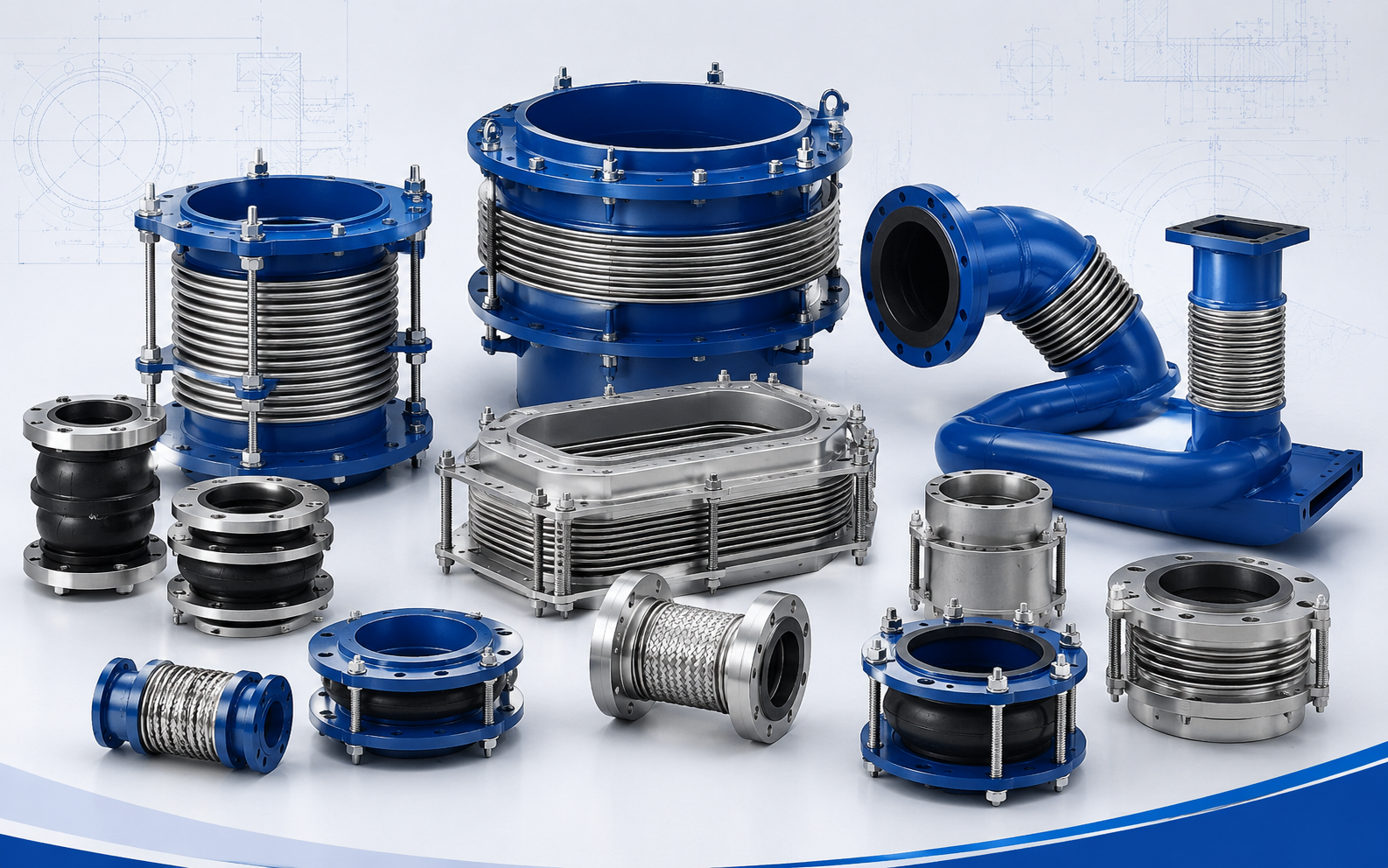

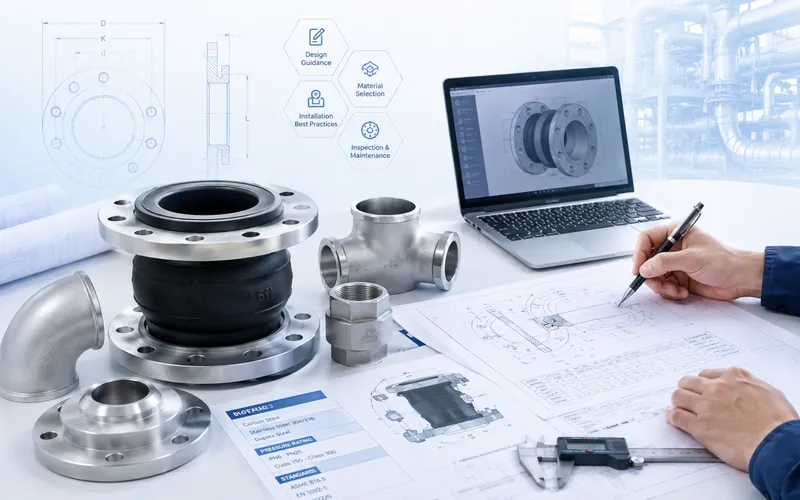
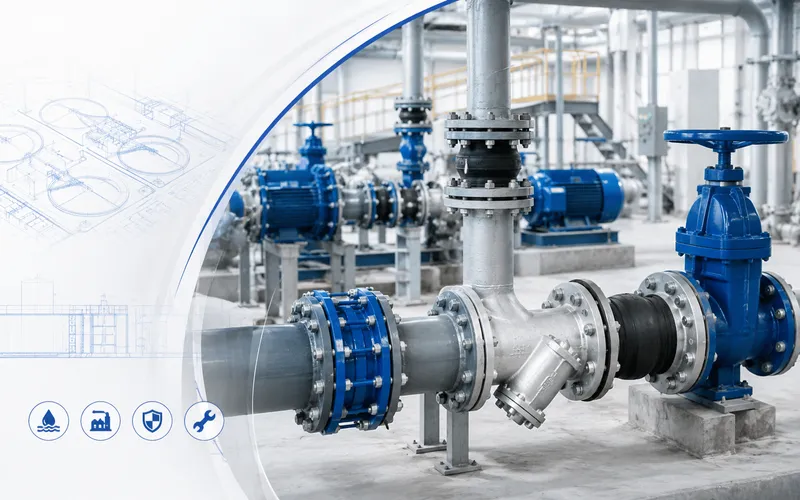
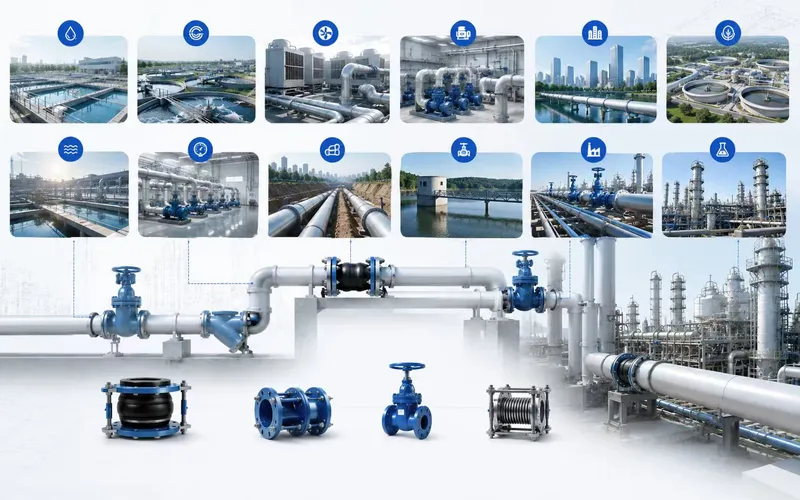
# Installationsleitfaden für Gummi-Kompensatoren\n\n## Leitfaden für B2B-Einkäufer\n\nDieser Artikel hilft technischen Einkäufern, Anlagenbauern, Händlern und OEM/ODM-Kunden, die nötigen Angaben vor einer Anfrage vorzubereiten.\n\n## Rohrleitungsarmaturen: Installationsleitfaden für Gummi-Kompensatoren\n\nWählen Sie nicht nur nach Produktname. Prüfen Sie Rohrgröße, Druckstufe, Anschlussnorm, Werkstoff, Medium, Temperatur, Einbauposition, Menge und Zeichnung.\n\nRelevante Produkte können Gummi-Kompensatoren, Ausbaustücke, Rohrkupplungen, Flanschadapter, Metallbalgkompensatoren und Mauerdurchführungen sein.\n\n## RFQ\n\nFür ein schnelleres Angebot senden Sie DN, Druckstufe, Flanschnorm, Werkstoff, Medium, Temperatur, Menge, Zeichnung oder Foto.\n\n- DN / size\n- pressure rating\n- connection standard\n- material\n- working medium and temperature\n- quantity\n- drawing, photo or specification\n\n## Quality and Packing\n\nVor Versand sollten Aussehen, Maße, Anschlussflächen, Zubehör, Kennzeichnung und Verpackung geprüft werden. Prüfanforderungen sind vor Produktion zu bestätigen.\n\n## Project Inquiry\n\nSenden Sie für Ihr Projekt Größe, Druck, Anschlussnorm, Werkstoff, Medium, Menge und Zeichnung, damit die passende Konfiguration bestätigt werden kann.
Installation und Wartung
Installationsleitfaden für Gummi-Kompensatoren
Installationsleitfaden für Gummi Kompensatoren Leitfaden für B2B Einkäufer Dieser Artikel hilft technischen Einkäufern Anlagenbauern Händlern und OEM ODM Kunden die nötigen Angaben vor einer Anfrage vorzubereiten Rohrleitungsarmaturen Installationsleitfaden fü
最新文章
Rubber Expansion Joints for Pump Suction Lines: Vacuum Risks and Installation Checks
2026-07-31 17:27:34
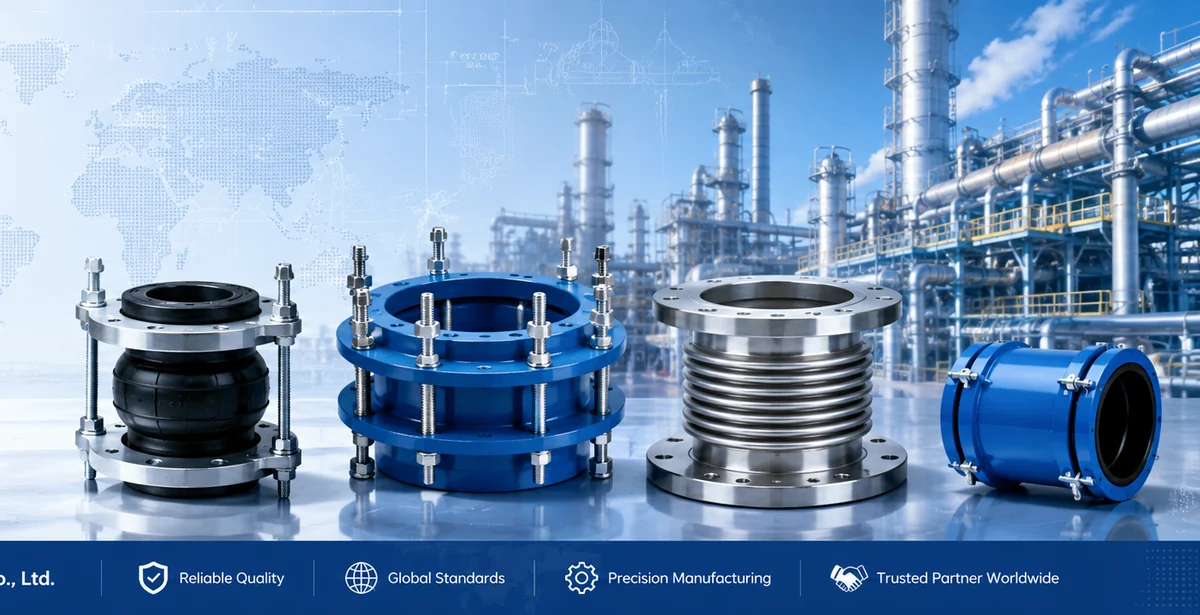
Visueller Auswahlleitfaden für Rohrleitungsarmaturen
2026-07-17 14:57:49
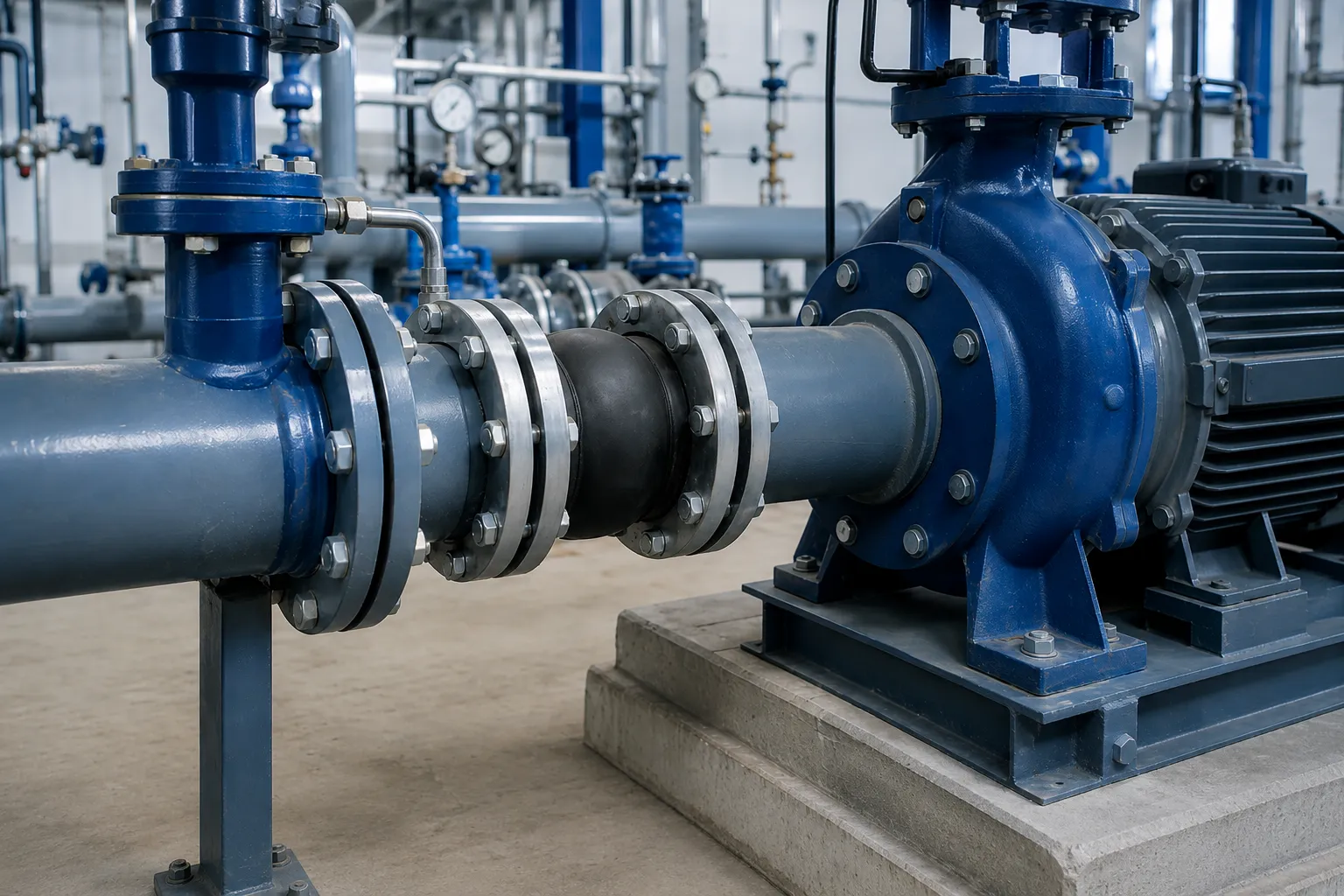
Einfachkugel-Gummi-Kompensator für Pumpstationen und Wasserleitungen
2026-07-17 14:57:46
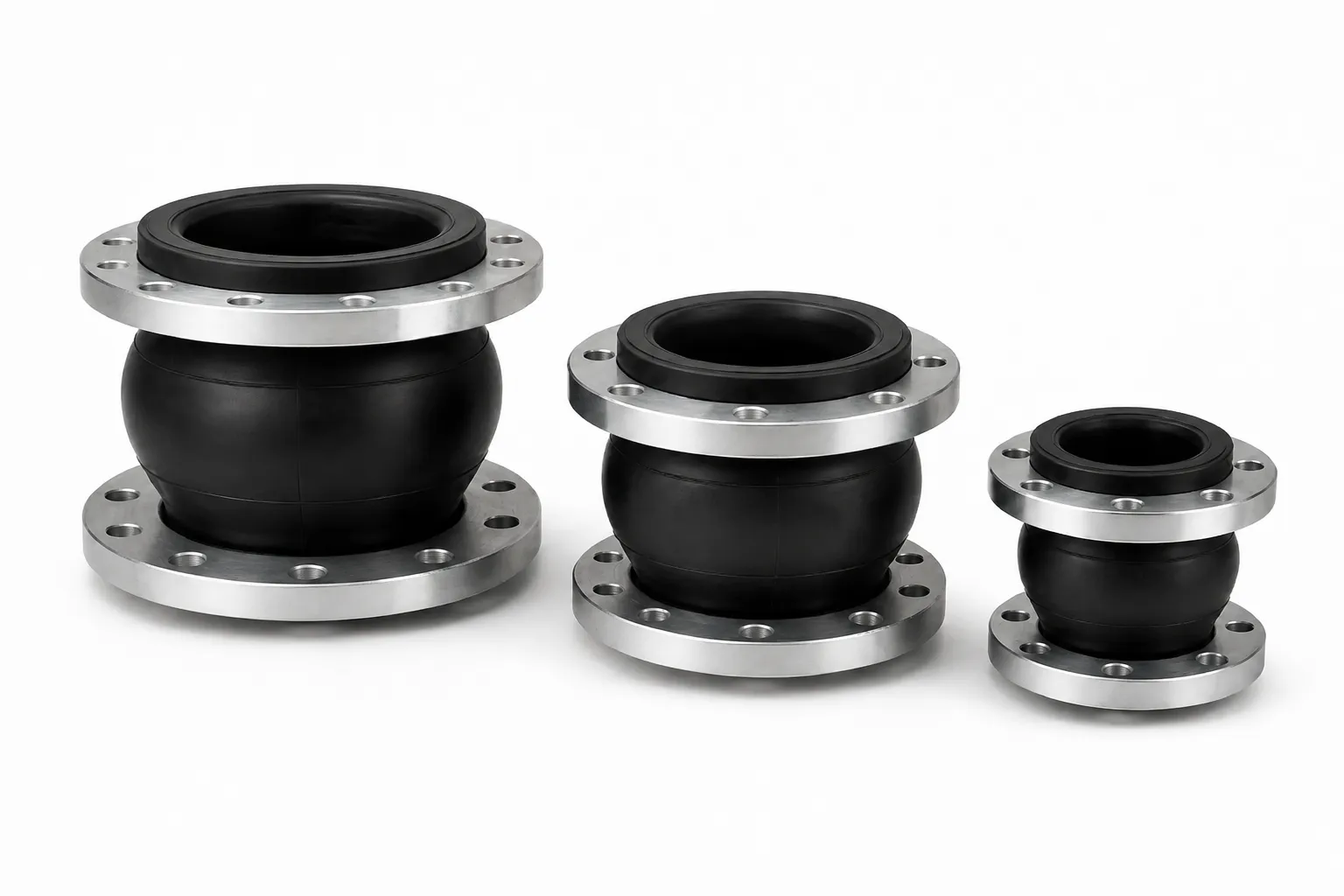
Was ist ein Gummi-Kompensator
2026-07-17 14:57:44
Inhaltsplan für Unternehmensnachrichten einer Armaturenseite
2026-07-17 14:57:41
关联内容
Anwendungsleitfäden
Rubber Expansion Joints for Pump Suction Lines: Vacuum Risks and Installation Checks
A pump suction line can drop below atmospheric pressure during startup, low water level or flow fluc ...
Produktauswahl-Leitfäden
Visueller Auswahlleitfaden für Rohrleitungsarmaturen
Visueller Auswahlleitfaden für Rohrleitungsarmaturen Leitfaden für B2B Einkäufer Dieser Artikel hilf ...
Anwendungsleitfäden
Einfachkugel-Gummi-Kompensator für Pumpstationen und Wasserleitungen
Einfachkugel Gummi Kompensator für Pumpstationen und Wasserleitungen Leitfaden für B2B Einkäufer Die ...
Produktauswahl-Leitfäden
Was ist ein Gummi-Kompensator
Was ist ein Gummi Kompensator Leitfaden für B2B Einkäufer Dieser Artikel hilft technischen Einkäufer ...
常见问题
?Can a rubber expansion joint be used to correct pipe misalignment?
It should not be used to force severely misaligned, angled or non-parallel flanges into position. The joint can accommodate limited approved movement, but the piping and equipment should be properly aligned before installation.
?Is an additional flange gasket required?
It depends on the product-end and sealing construction. Some integral rubber flange designs provide their own sealing surface, while other products may require a specified gasket. Follow the approved drawing and installation instructions.
?Can a rubber expansion joint support a pump, valve or pipe?
No. Pumps, valves, pipes and equipment must be supported independently by foundations, hangers or pipe supports. The rubber expansion joint should not be used as a load-bearing component.
?Are control rods required for every rubber expansion joint?
Not always. Their need depends on internal-pressure thrust, pipe anchors, equipment-nozzle loads, operating movement and pullout risk.
?How should flange bolts be tightened?
Install all bolts first and tighten them gradually in a cross pattern. Do not fully tighten one bolt or one side before the others, and do not apply an unsupported universal torque value.
?Can a leaking rubber joint be tightened while the pipeline is pressurized?
The joint should not be adjusted or dismantled under pressure. Shut down and isolate the pipeline, fully depressurize it and then inspect the alignment, sealing surfaces, fasteners and rubber body.