简体中文
简体中文  English
  日本語
日本語  한국어
한국어  Français
  Deutsch
  Español
  Português
  Русский
  العربية
  ไทย
ไทย  Tiếng Việt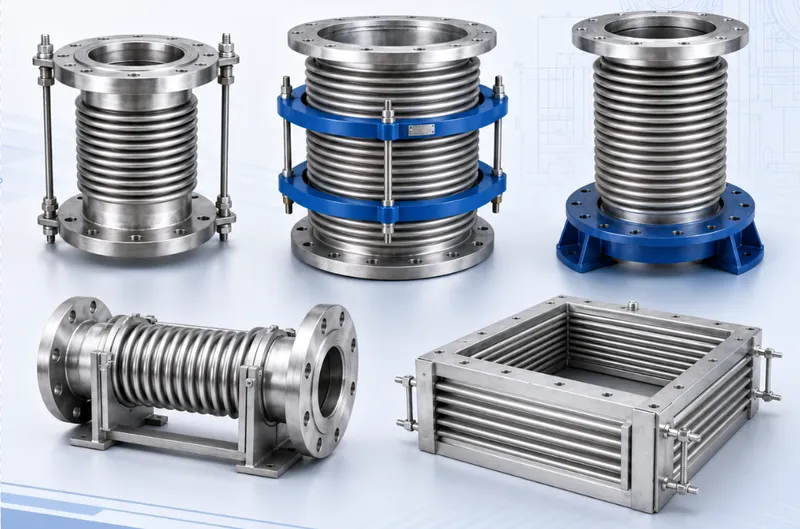

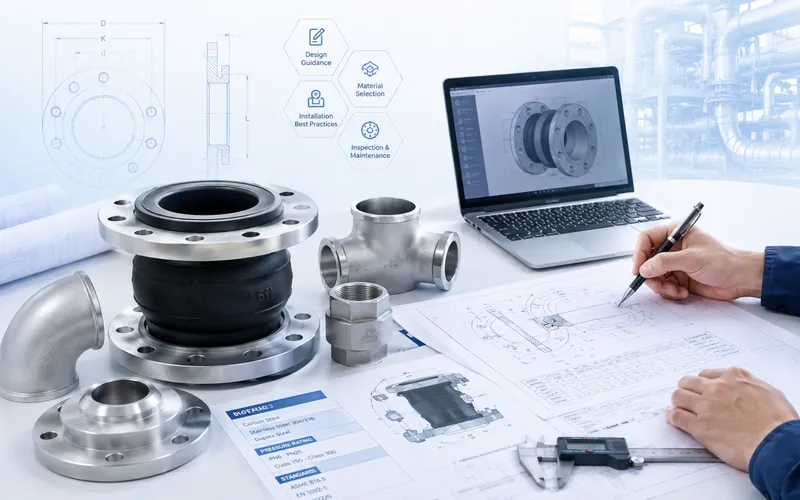
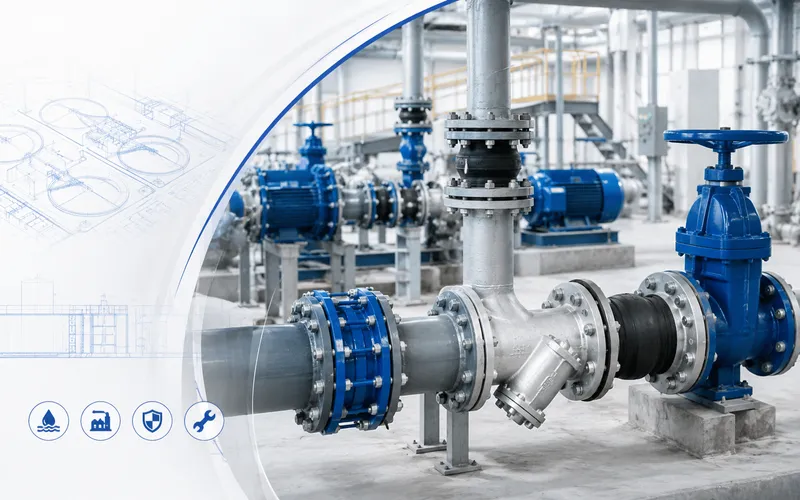
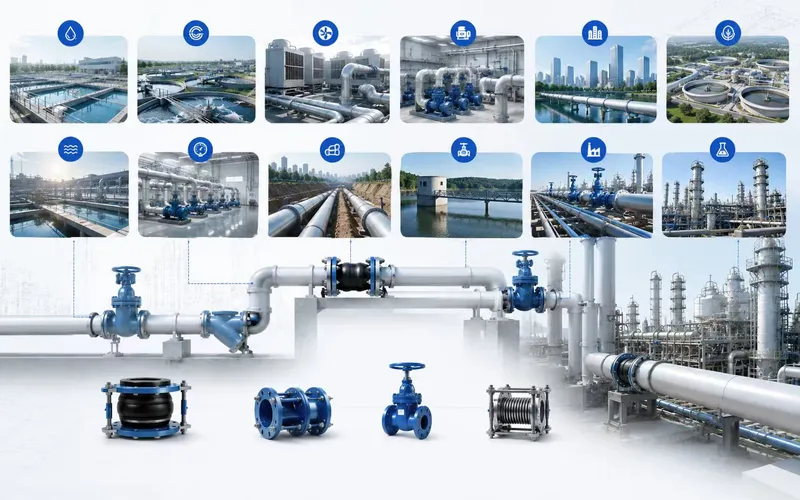
OEM and ODM Custom Pipeline Connection Products for Engineering Projects
Engineering projects may require different pipe outside diameters, face-to-face lengths, flange standards, operating media, temperatures, pressures, movement directions, materials and corrosion-protection systems. Standard products can meet many common requirements, but rehabilitation projects, special equipment connections, large-diameter pipelines and unusual operating conditions may require non-standard technical confirmation.
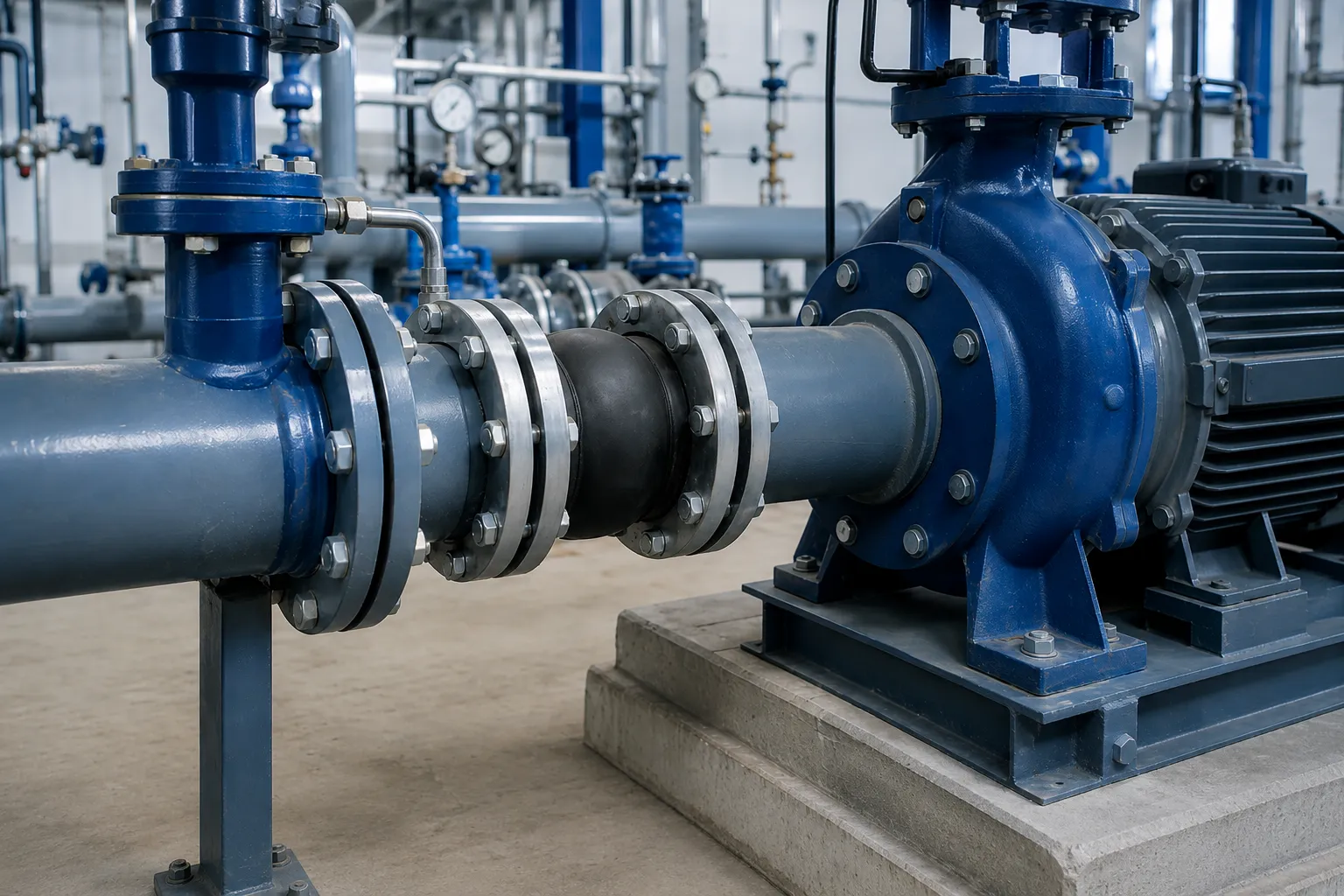
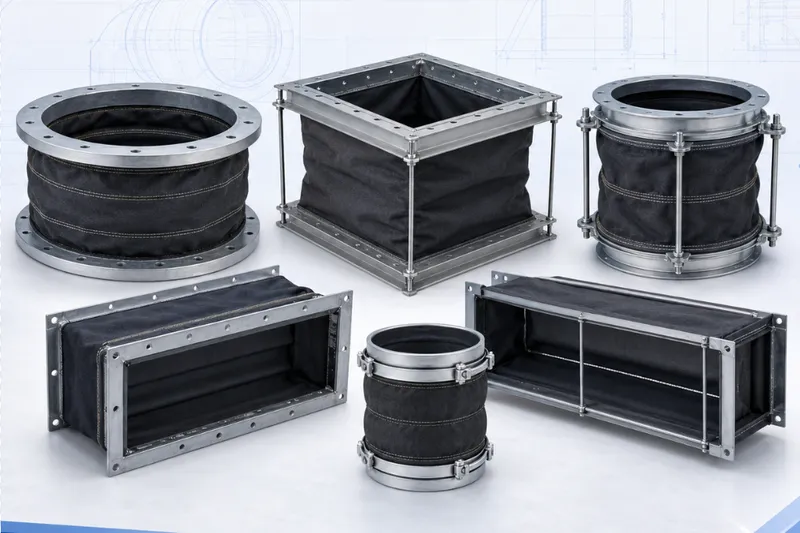
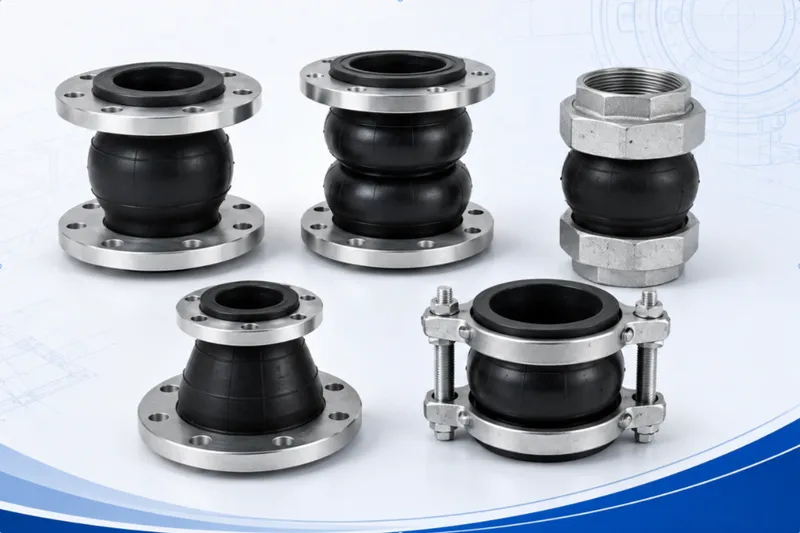
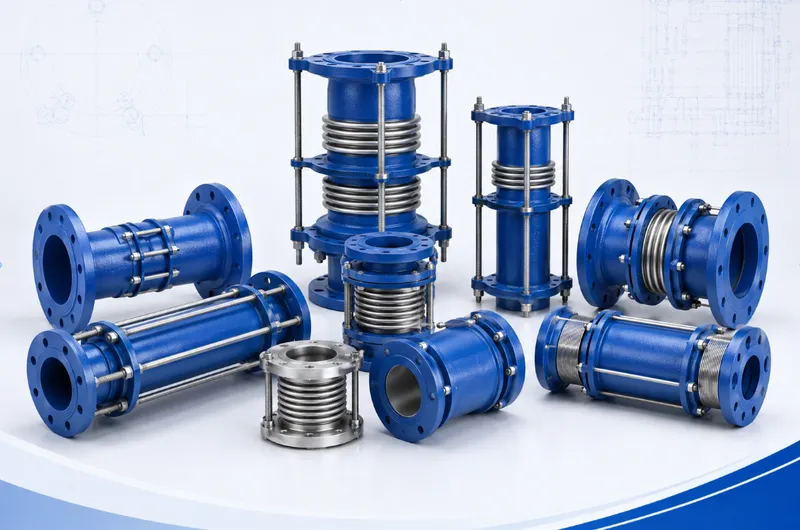
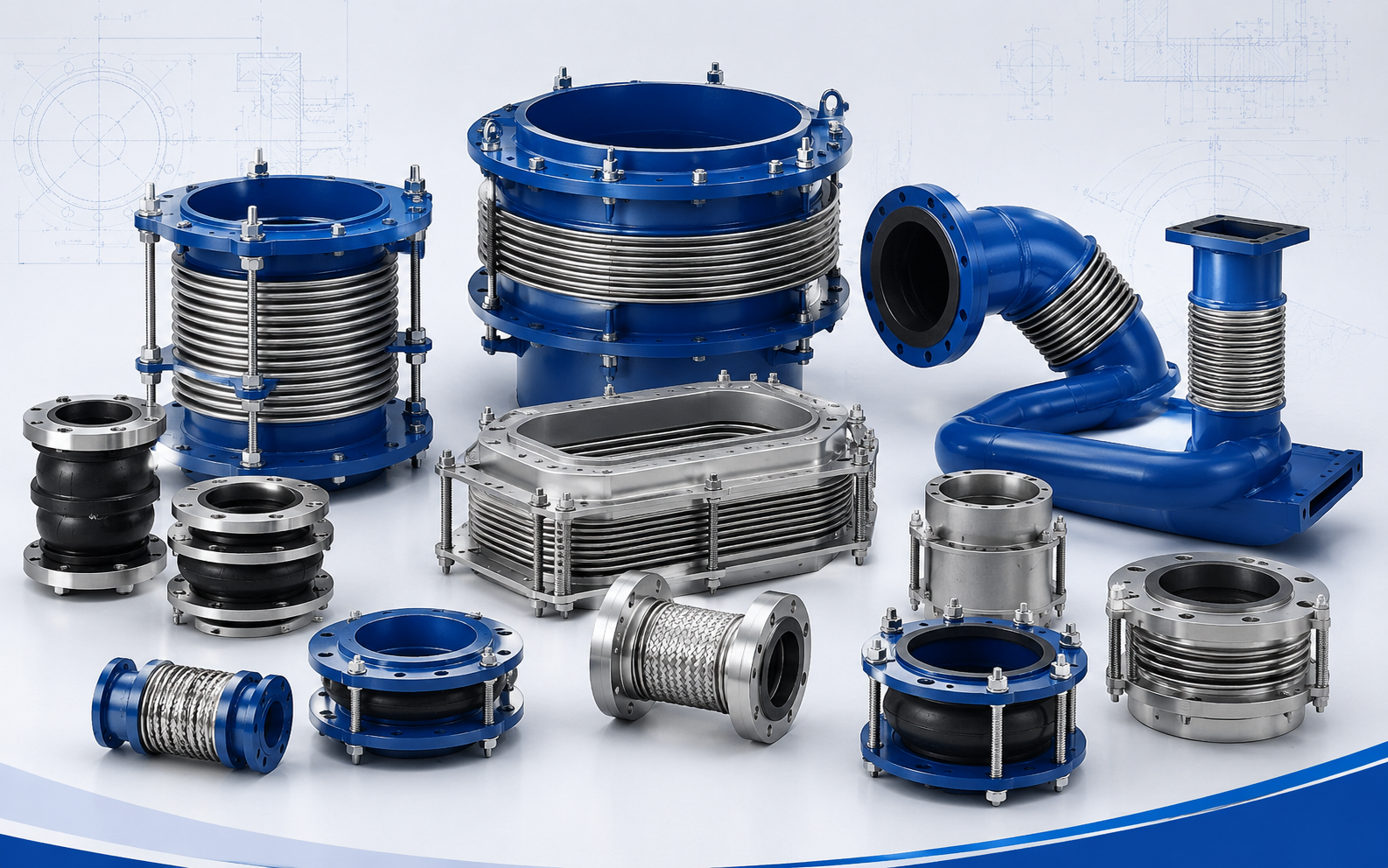
Based on customer drawings, datasheets, technical specifications and operating conditions, CNPIPEPARTS can evaluate OEM and ODM requirements for rubber expansion joints, dismantling joints, pipe expansion joints, flange adaptors, steel flexible couplings, metallic bellows, non-metallic compensators, waterproof wall sleeves and related pipeline connection products.
1. What Is the Difference Between OEM and ODM?
OEM Production
OEM normally applies when the customer already has sufficiently complete drawings, specifications, material requirements and branding instructions. The supplier manufactures, inspects, marks and packs the products according to the approved documents.
Typical OEM requirements include:
- Manufacturing according to customer-approved drawings;
- Using customer product names or model numbers;
- Applying approved nameplates, labels or packing marks;
- Following specified dimensions, materials and inspections;
- Using approved project and purchase-order identification;
- Submitting contractually agreed quality documents.
ODM Support
ODM is more suitable when the customer has defined the application, operating conditions and required functions, but the detailed product construction or manufacturing drawing still needs to be developed.
Typical ODM requirements include:
- Matching the product to existing site connections;
- Evaluating material options from the medium and temperature;
- Adjusting face-to-face length for the available space;
- Preparing a manufacturable product drawing from interface data;
- Evaluating control units according to movement and loading conditions;
- Adapting the construction for manufacturing, transport and installation.
2. Main Product Families Available for Customization Evaluation
Rubber Expansion Joints
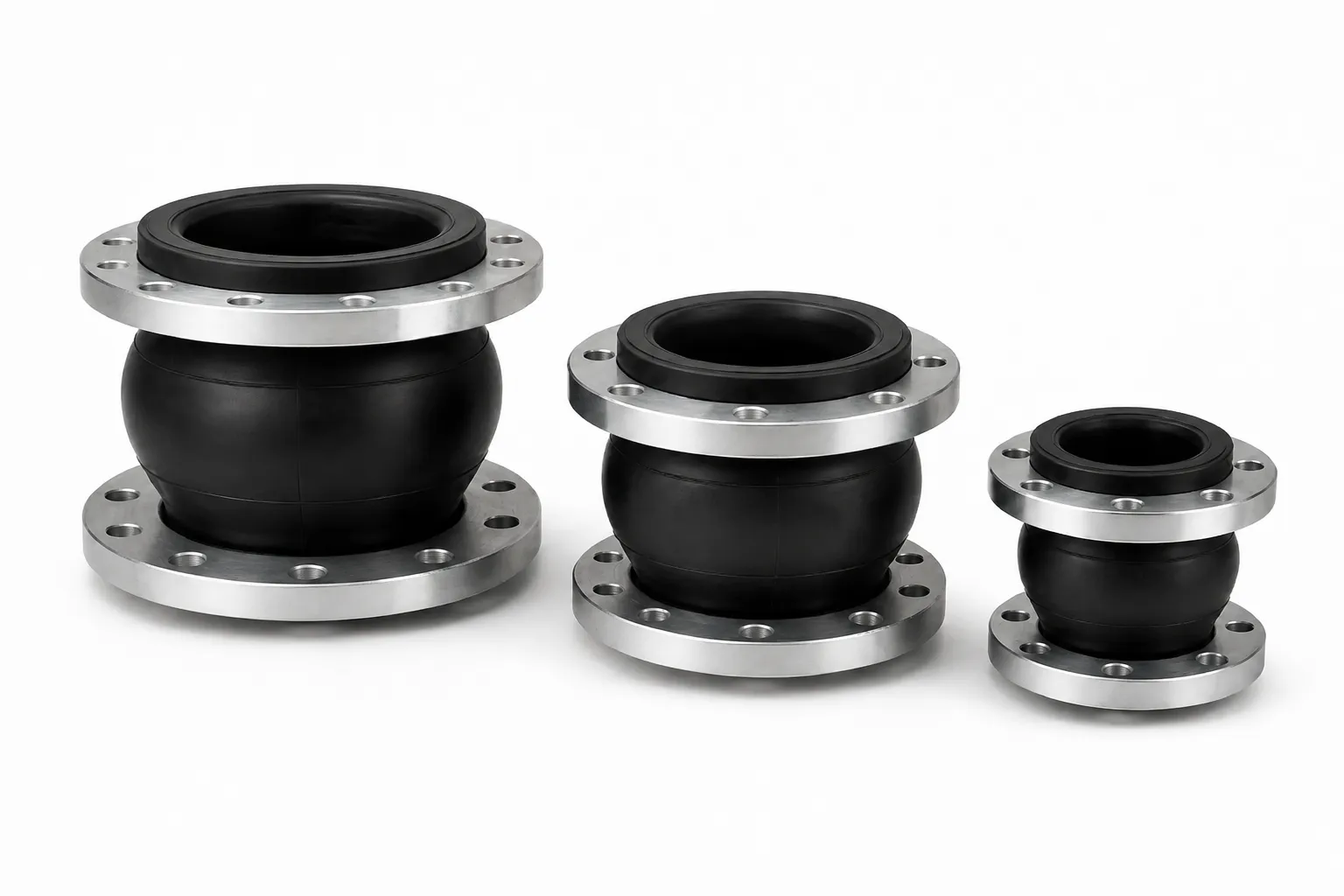
- Single sphere flanged rubber expansion joints;
- Double sphere rubber expansion joints;
- Threaded rubber expansion joints;
- Grooved rubber flexible couplings;
- Rubber duct expansion joints;
- Other project-specific rubber flexible connectors.
Custom items may include face-to-face length, elastomer, flange standard, metallic materials, sphere construction, control units, coating, marking and packing.
Dismantling and Force-Transmission Joints
- Single-flange force-transmission joints;
- Double-flange dismantling joints;
- Non-standard connections for pumps, valves and flanged equipment.
Pipe Expansion Joints
- Single-flange limit expansion joints;
- Double-flange limit expansion joints;
- Flanged loose-sleeve expansion joints;
- Gland-type loose-sleeve expansion joints;
- Sleeve expansion joints;
- Other steel telescopic connectors.
Installation adjustment must be distinguished from continuous operating movement. Seal construction, restraint, anchors and axial thrust must also be reviewed.
Flange Adaptors and Steel Flexible Couplings
A flange adaptor connects a plain-ended pipe to flanged equipment, while a steel flexible coupling normally connects two plain-ended pipes. The actual pipe outside diameter is required to determine the sealing and gripping range.
Metallic Bellows Expansion Joints
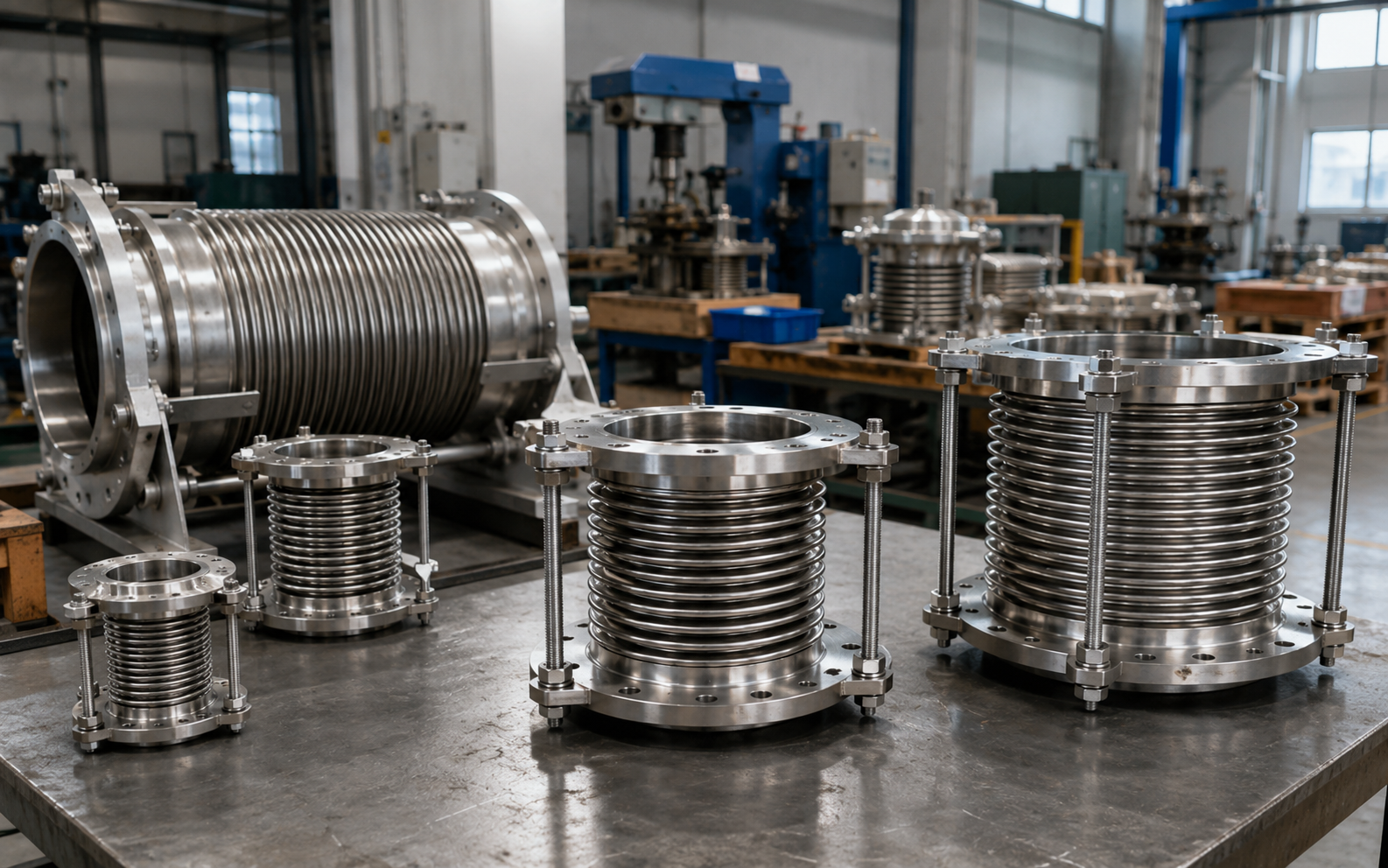
- Axial internally pressurized bellows expansion joints;
- Direct-buried bellows expansion joints;
- Other metallic compensators requiring application-specific review.
The operating medium, temperature, pressure, bellows material, movement direction, cycle conditions, installation length, anchors and guides must be confirmed.
Non-Metallic and Duct Expansion Joints
Round, rectangular and other duct configurations can be evaluated. Required information includes gas composition, temperature, pressure, particles, movement, insulation and flange-frame dimensions.
Waterproof Wall Sleeves
Wall-sleeve customization normally requires the pipe outside diameter, wall thickness, sleeve construction, installation elevation, sealing requirement and civil-work details.
3. What Can Be Customized?
| Category | Items for Evaluation | Customer Information |
|---|---|---|
| Dimensions | Nominal size, pipe OD, face-to-face length and interfaces | Site dimensions or equipment drawings |
| Connections | Flanged, threaded, grooved, welded or gland-type | Connection standard or measured dimensions |
| Materials | Elastomer, body, flange, seals, rods and fasteners | Medium, temperature, environment and specification |
| Movement | Axial, lateral, angular movement and restraint | Movement, anchors, guides and load conditions |
| Coating | Paint, epoxy coating, colour and corrosion protection | Environment and coating specification |
| Branding | Nameplates, labels, project and packing marks | Authorized artwork and marking instructions |
| Packing | Cases, pallets, moisture and transport protection | Transport method and destination requirements |
| Documents | Drawings, datasheets and inspection records | Document list, language, format and approval process |
4. Customized Flanges and Connections
International projects may use different flange dimensions, pressure classes, drilling arrangements and sealing faces. Flanges with the same nominal size are not necessarily interchangeable.
Provide at least one of the following:
- The required flange standard and rating;
- A mating-flange drawing;
- Outside diameter, bolt circle, hole quantity and hole diameter;
- Sealing-face type and dimensions;
- An existing equipment-interface drawing;
- Site photographs with dimensional references.
Rehabilitation projects should be checked against actual interface dimensions rather than the old product name or nominal diameter alone.
5. Material Selection Must Follow the Application
Elastomers
EPDM, NBR, CR or other elastomer directions can be evaluated for water, wastewater, selected oil-containing media, seawater and other industrial fluids. Final selection depends on composition, concentration and temperature.
Steel Bodies and Flanges
Body, flange, gland, sleeve, control-rod and fastener materials can be evaluated against project drawings and specifications.
Bellows and Non-Metallic Flexible Layers
Metallic bellows materials require review of the medium, temperature, corrosion and movement conditions. Non-metallic flexible layers, insulation and frames require information about the gas, temperature and particles.
6. Information Required from the Customer
- Product name or site photographs;
- Installation position and required function;
- Nominal size and actual pipe outside diameter;
- Required face-to-face length and available space;
- Operating medium, composition and concentration;
- Normal, maximum and minimum temperature;
- Operating pressure, design pressure and possible vacuum;
- Connection type and flange standard;
- Axial, lateral and angular movement;
- Whether movement is for installation or operation;
- Anchors, guides and piping-load conditions;
- Body, flange, elastomer and sealing-material requirements;
- Coating, colour, marking and branding requirements;
- Project drawings, specifications or datasheets;
- Quantity, destination and required trade term;
- Inspection, documentation and packing requirements.
Information that is not yet available can be marked as pending confirmation. Unsupported general data should not replace actual project requirements.
7. OEM and ODM Project Workflow
- Requirement submission: RFQ, drawings, photographs, datasheets and commercial requirements.
- Document review: check product type, dimensions and operating conditions.
- Technical clarification: identify missing, unclear or conflicting information.
- Manufacturability review: evaluate construction, materials, processes, inspection and packing.
- Proposal or quotation: define the scope, assumptions, exclusions, price and delivery basis.
- Drawing approval: prepare or review manufacturing drawings for non-standard products.
- Sample or first-article review: arrange where required by risk or contract.
- Production and in-process inspection: manufacture according to approved documents.
- Final inspection: check construction, dimensions, appearance, marking and required tests.
- Documentation and packing: prepare agreed documents and transportation protection.
- Shipment and delivery: arrange shipment according to the confirmed commercial terms.
8. Why Drawing Approval Is Required
Once a custom product enters production, changes to the face-to-face length, drilling, materials or connection structure may require rework, new materials or complete remanufacture.
An approved drawing should normally show:
- Product name and model;
- Nominal size;
- Face-to-face length;
- Main external and connection dimensions;
- Flange or interface dimensions;
- Main materials;
- Control rods, tie rods and accessories;
- Surface treatment;
- Relevant service notes;
- Drawing number, revision and date.
Changes after approval should follow a written revision process rather than relying only on verbal or instant-message instructions.
9. Samples, First Articles and Batch Production
Not every OEM or ODM project requires a sample. The need for a sample or first article depends on construction, mould requirements, quantity, dimensional risk and contract conditions.
A first article may be useful for:
- A completely new non-standard construction;
- A flange or connection not previously used;
- Very limited installation space;
- Replacement of existing equipment;
- Complex branding and packing;
- Large production quantities with dimensional risk;
- Projects with mandatory first-article inspection.
10. Quality Control and Documentation
Quality control should be based on approved drawings, purchase requirements and the agreed inspection plan. Different products and projects may require different inspections.
Possible Inspection Scope
- Raw-material and component checks;
- Visual inspection;
- Dimensional inspection;
- Connection-interface verification;
- Coating and surface-treatment inspection;
- Marking and quantity verification;
- Contractually required pressure, vacuum or other testing;
- Buyer, buyer-representative or third-party inspection.
Possible Project Documents
- Product drawings;
- Technical datasheets;
- Dimensional inspection records;
- Visual inspection records;
- Test records where applicable;
- Material documents where ordered;
- Coating records;
- Product and packing photographs;
- Packing and shipping documents;
- Third-party reports where contractually required.
Documentation requirements should be stated during the RFQ or order stage. Requirements added after production may affect cost, schedule and feasibility.
11. Branding, Nameplates and Customized Packing
OEM branding can be evaluated according to approved marking and packing instructions. The customer should have the legal right to use the submitted trademarks, names and artwork.
Branding Options
- Product model numbers;
- Customer brand names;
- Product nameplates;
- Case and pallet labels;
- Project and purchase-order numbers;
- Product instructions;
- Neutral or customer-specific packing.
Packing Options
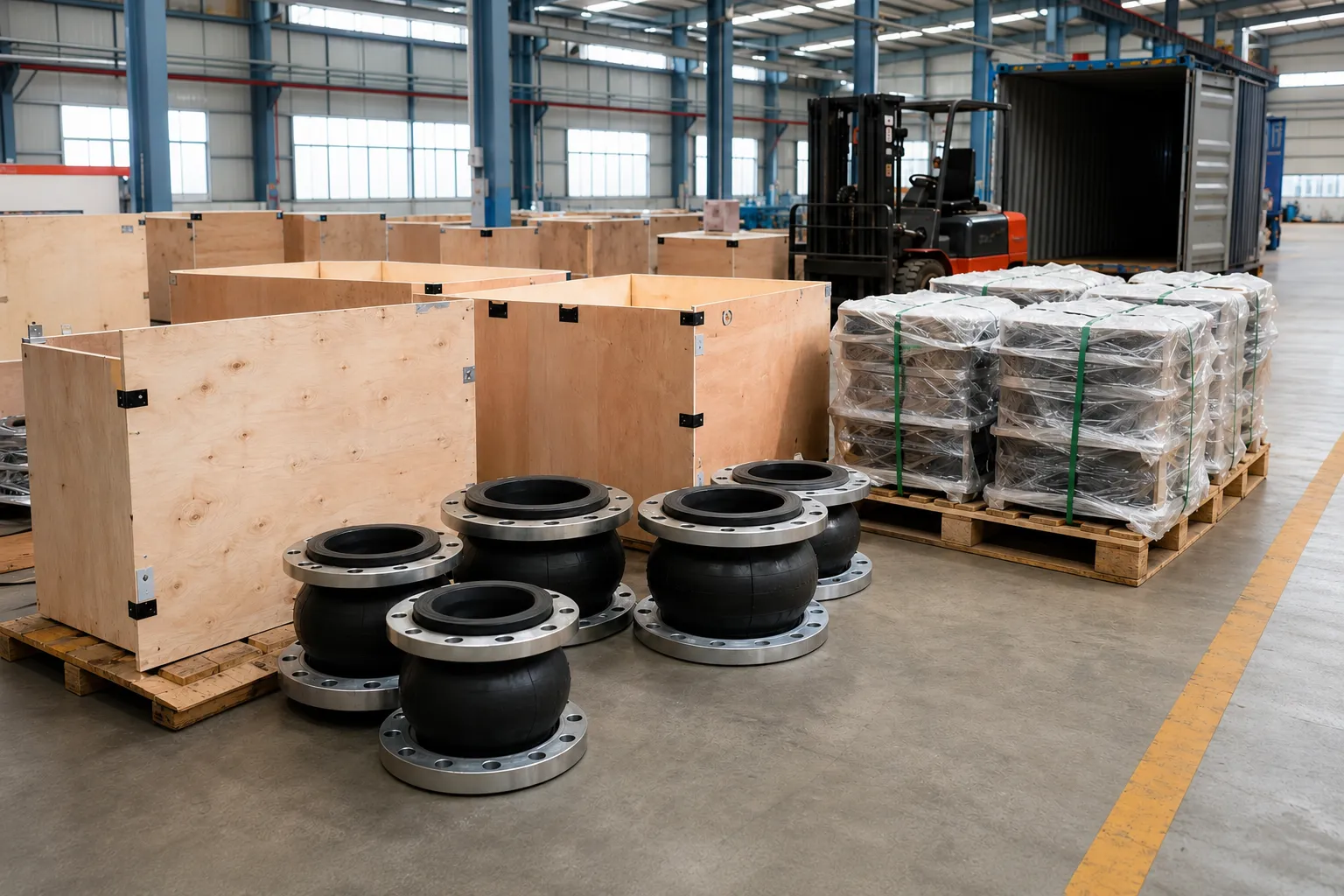
- Wooden cases, pallets or wrapped packing;
- Moisture, corrosion and end protection;
- Protection against compression of rubber bodies and bellows;
- Individual or bulk packing;
- Case numbers and destination markings;
- Packing for sea, air or road transport.
12. Common OEM and ODM Project Risks
- Providing only a product name without interface dimensions;
- Providing nominal size without the actual pipe outside diameter;
- Failing to define the flange standard;
- Incomplete medium and temperature information;
- Confusing installation adjustment with operating movement;
- Omitting anchors, guides and axial-thrust conditions;
- Using drawings without units, revisions or dates;
- Changing materials or construction after production starts;
- Requesting unsupported certification or brand marks;
- Adding third-party inspection requirements after production;
- Comparing price without comparing the technical scope;
- Failing to confirm transport protection.
13. Standard Products, OEM or ODM?
| Supply Type | Suitable Situation | Main Information |
|---|---|---|
| Standard Product | Existing construction meets the project requirement | Size, quantity, service and connection standard |
| OEM | Customer has complete drawings and branding requirements | Approved drawings, materials, inspection and branding files |
| ODM | Operating conditions are known, but construction needs development | Interfaces, service, movement, function and specification |
14. Frequently Asked Questions
What is the main difference between OEM and ODM pipeline products?
OEM products are manufactured according to customer-approved drawings, specifications and branding requirements. ODM support helps develop a manufacturable product construction from confirmed operating and interface requirements.
Can a non-standard product be manufactured from a site photograph?
A photograph can support initial identification, but it is normally insufficient for production. Dimensions, pipe outside diameter, interfaces, medium, pressure, temperature and available space are also required.
Can products be made according to a customer flange drawing?
A custom flange can be evaluated from a complete mating-flange drawing or measured dimensions, including outside diameter, bolt circle, hole quantity, hole diameter, thickness and sealing face.
Is a sample required for every non-standard product?
No. The need for a sample or first article depends on construction, mould requirements, quantity, risk and contract conditions.
Can customer branding and packing be supplied?
Nameplates, labels and packing can be evaluated according to approved artwork and instructions. The customer must have the legal right to use the submitted branding.
Can customized products be cancelled or returned?
Custom products are manufactured against approved drawings and order-specific requirements. Cancellation, modification, return and quality claims are handled according to the agreed quotation, purchase order, contract and customization terms.
15. Submit Your OEM or ODM Project
For custom rubber expansion joints, dismantling joints, pipe expansion joints, flange adaptors, steel flexible couplings, metallic bellows, non-metallic compensators or waterproof wall sleeves, send us your product list, drawings, photographs and operating conditions.
When information is incomplete, we can first identify the points requiring confirmation for the interfaces, service conditions, materials, movement, inspection and packing.
Final construction, dimensions, materials, suitability, quality documentation and supply scope must be based on mutually approved drawings, datasheets, quotations, purchase orders or contract documents.