简体中文
简体中文  English
  日本語
日本語  한국어
한국어  Français
  Deutsch
  Español
  Português
  Русский
  العربية
  ไทย
ไทย  Tiếng Việt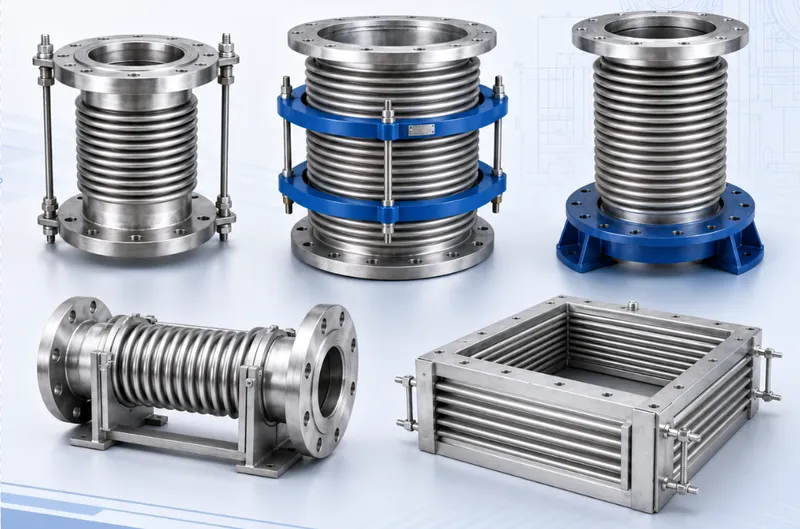
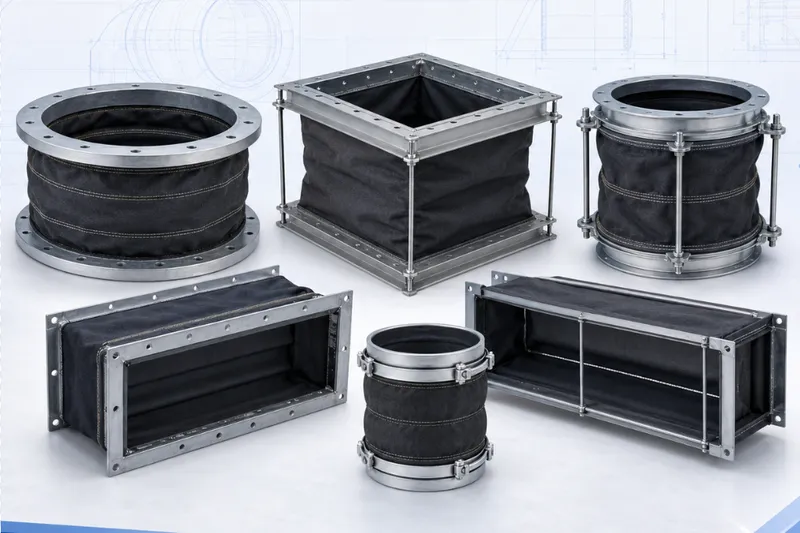
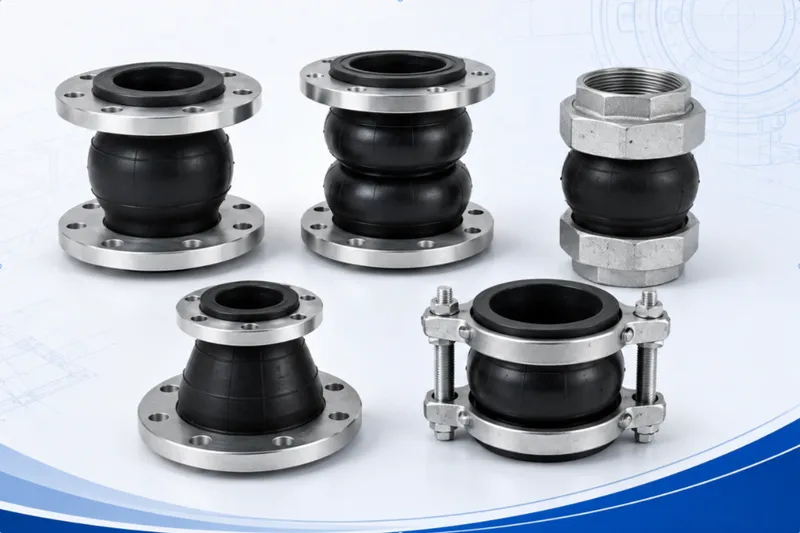
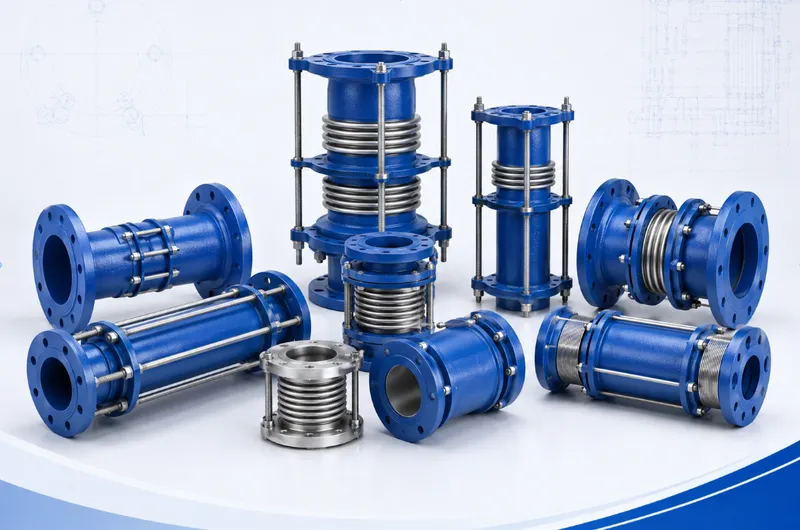
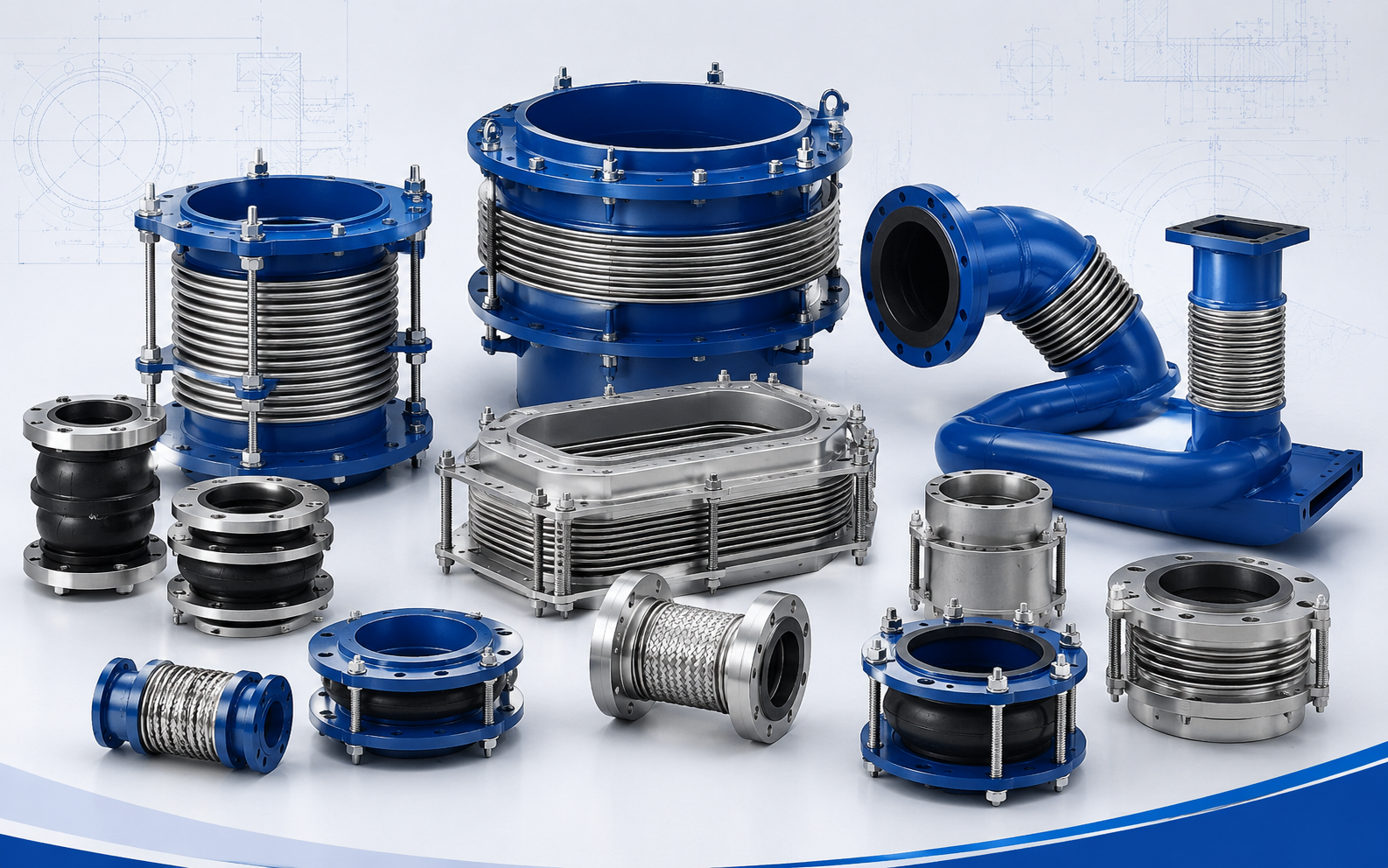

CNPIPEPARTS Product Resource Center Update: Clearer Selection for Pipeline Connections
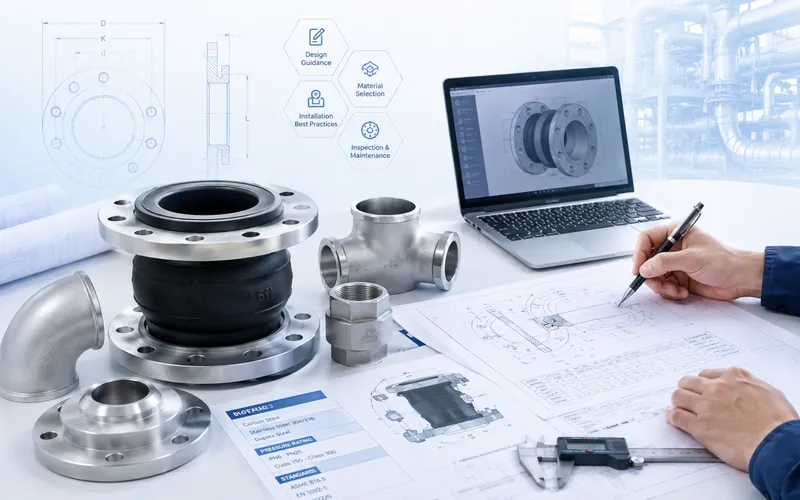
Selecting an industrial pipeline connection product requires more than identifying a product name or comparing photographs. Connection type, pipe outside diameter, operating medium, temperature, pressure, movement direction, installation length, flange standard and piping loads can all affect the final product selection.
To help contractors, distributors, EPC companies and industrial buyers identify products, prepare inquiries and reduce selection risks, CNPIPEPARTS is continuously improving its product resource center, application guides, technical articles and project-support content.
1. Why We Are Upgrading the Product Resource Center
Many pipeline connection and movement-control products look similar, but they do not perform the same function.
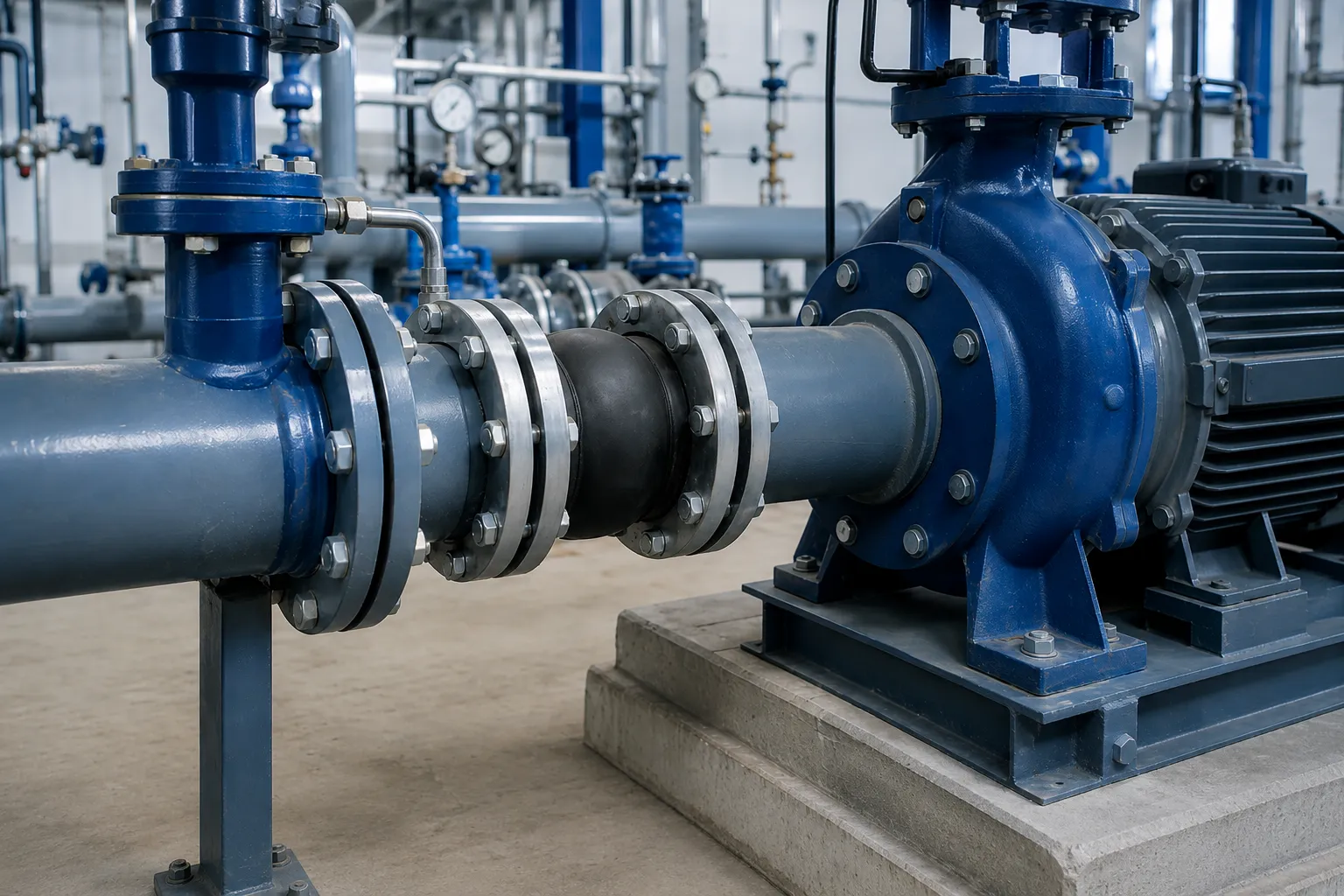
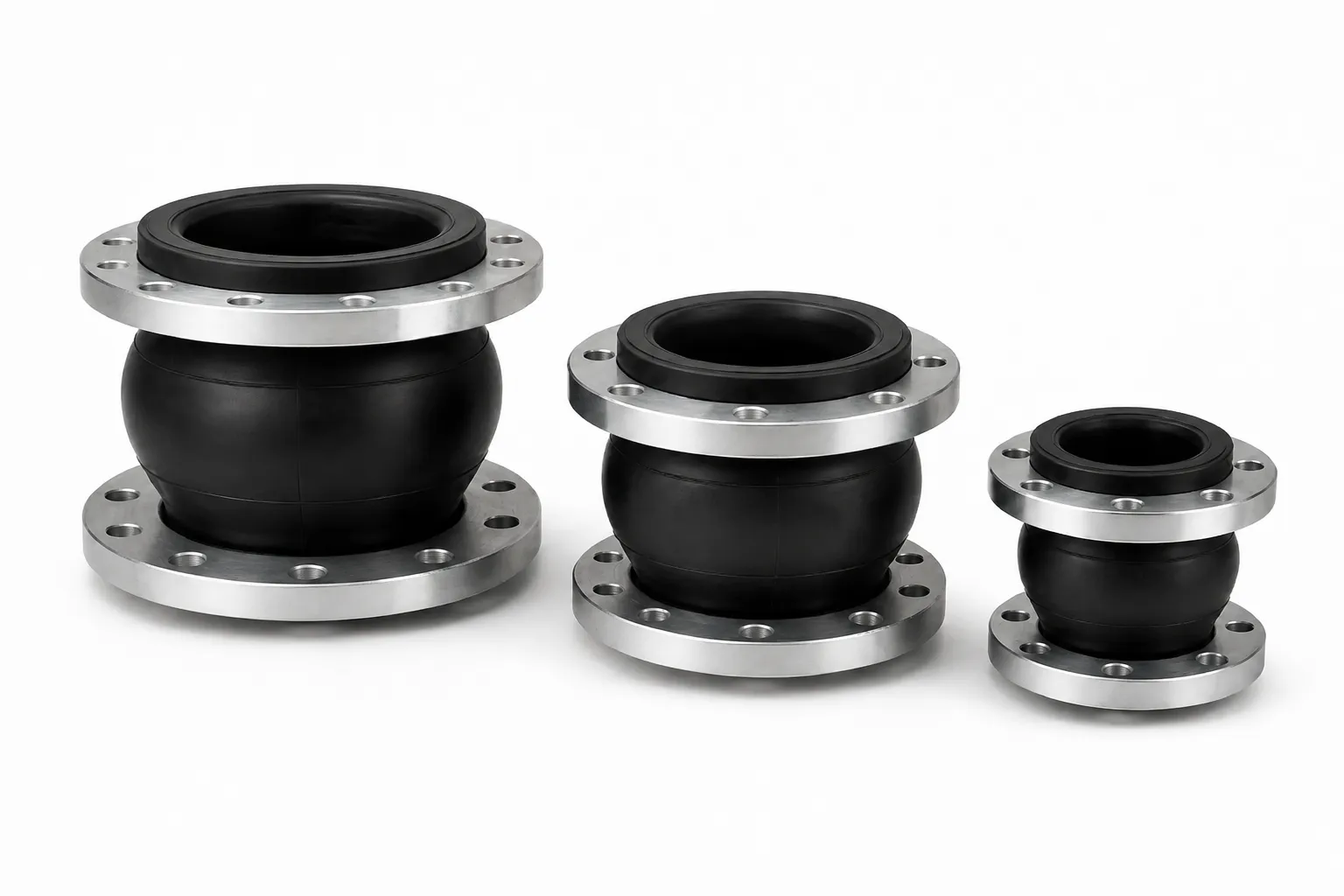
- Rubber expansion joints provide flexibility, vibration isolation and limited movement.
- Dismantling joints provide installation adjustment, equipment-removal space and force transmission.
- Limit expansion joints provide controlled axial adjustment and movement limitation.
- Flange adaptors connect plain-ended pipes to flanged equipment.
- Steel flexible couplings connect two plain-ended pipes.
- Metallic and non-metallic compensators accommodate specific thermal or duct movements.
A product page containing only one image and a short name is not sufficient for most engineering or project inquiries. We are therefore developing the website into a more practical resource for pipeline connection and expansion products.
2. Main Product Families Covered
Website content will be organized around the actual structure and function of each product rather than using one general template for every category.
Rubber Expansion Joints
- Single sphere rubber expansion joints;
- Double sphere rubber expansion joints;
- Threaded rubber expansion joints;
- Grooved rubber flexible couplings;
- Rubber duct expansion joints;
- Customized rubber flexible connectors.
Dismantling and Force-Transmission Joints
- Single-flange force-transmission joints;
- Double-flange dismantling joints;
- Customized connections for valves, pumps and flanged equipment.
Pipe Expansion Joints
- Single-flange limit expansion joints;
- Double-flange limit expansion joints;
- Flanged loose-sleeve expansion joints;
- Gland-type loose-sleeve expansion joints;
- Sleeve expansion joints;
- Other steel telescopic connectors.
Pipe Connection and Adaptation Products
- Flange adaptors;
- Steel flexible pipe couplings;
- Customized connectors for different pipe and equipment interfaces.
Pipeline Compensators
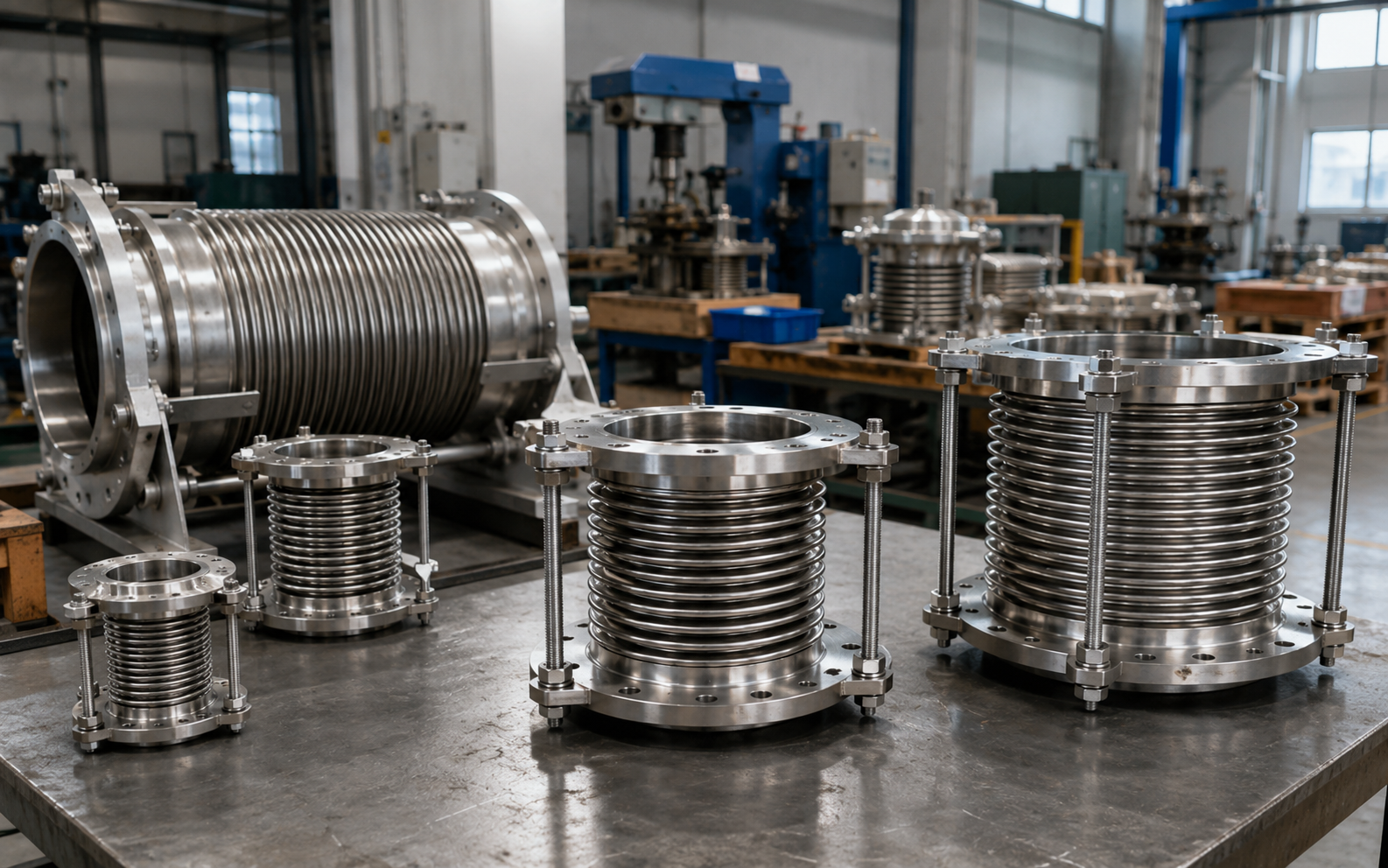
- Axial internally pressurized metallic bellows;
- Direct-buried bellows expansion joints;
- Non-metallic expansion joints;
- Rubber duct compensators;
- Other application-specific compensator designs.
Related Pipeline Products
- Rigid and flexible waterproof wall sleeves;
- Valves;
- Strainers;
- Check valves;
- Vibration-control and pipeline-protection products.
3. Information Added to Product Pages
Different products have different working principles and selection risks. Product pages will therefore be written according to their actual construction and application.
Product Identification
- Standard English and Chinese names;
- External construction and main components;
- Connection method;
- Primary function;
- Typical systems and installation positions.
Selection Information
- Nominal size or actual pipe outside diameter;
- Operating medium;
- Temperature and pressure conditions;
- Flange, thread, groove or other connection standard;
- Installation length;
- Axial, lateral or angular movement;
- Pipe anchors, guides and restraint conditions;
- Material, coating and environmental requirements.
Purchasing and Project Support
- Available customization options;
- Recommended drawings and technical information;
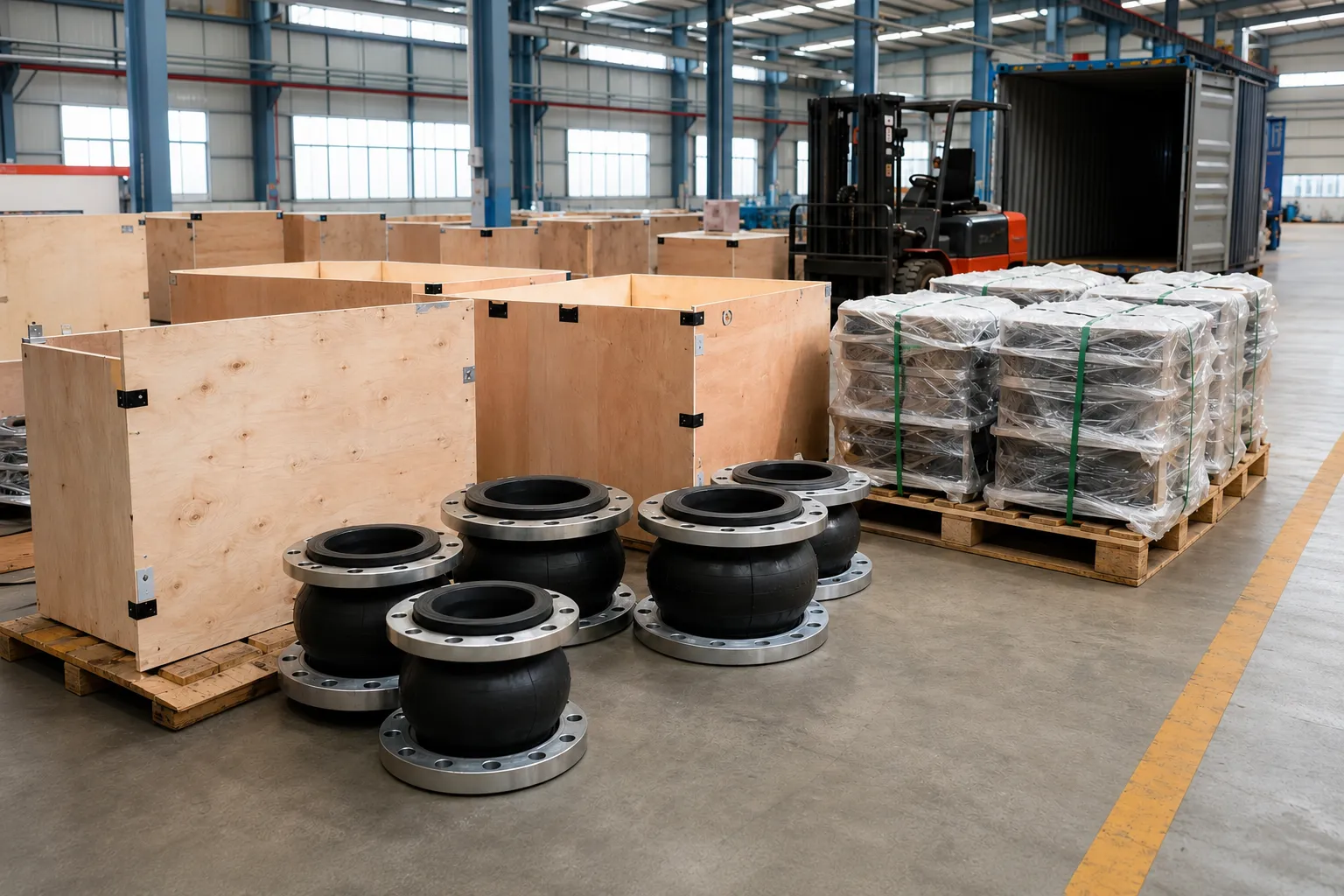
- Packaging and transportation considerations;
- Inspection and documentation requirements;
- Important questions to confirm before quotation.
4. Distinguishing Available Data from Verified Data
In industrial product documentation, the reliability of a parameter is more important than the number of parameters displayed. General data may not apply to every product, material or operating condition.
Technical information will therefore be progressively classified as:
- Not yet verified: information exists, but the source or scope still requires review;
- Under review: information has entered a manual or technical confirmation process;
- Conflicting: different sources or versions contain inconsistent information;
- Verified: information has been reviewed against supporting documentation or confirmation records.
Unverified general data will not automatically be presented as applicable to every product and project.
5. More Application-Focused Technical Guides
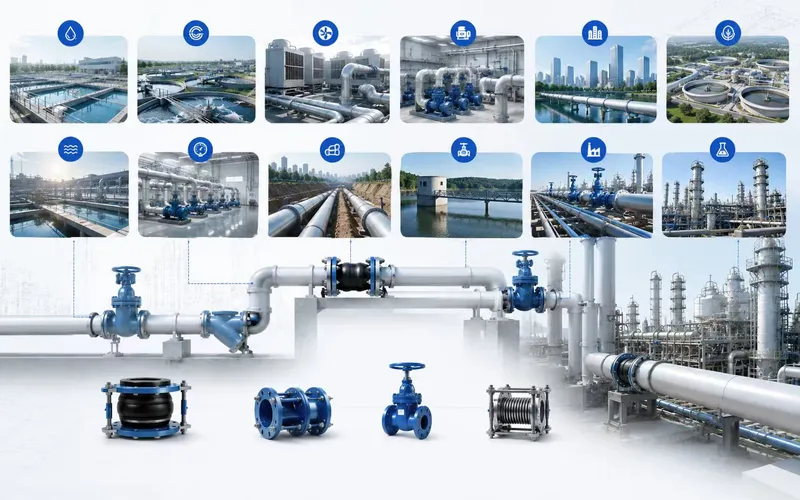
In addition to product pages, we are developing application guides based on common engineering and purchasing questions.
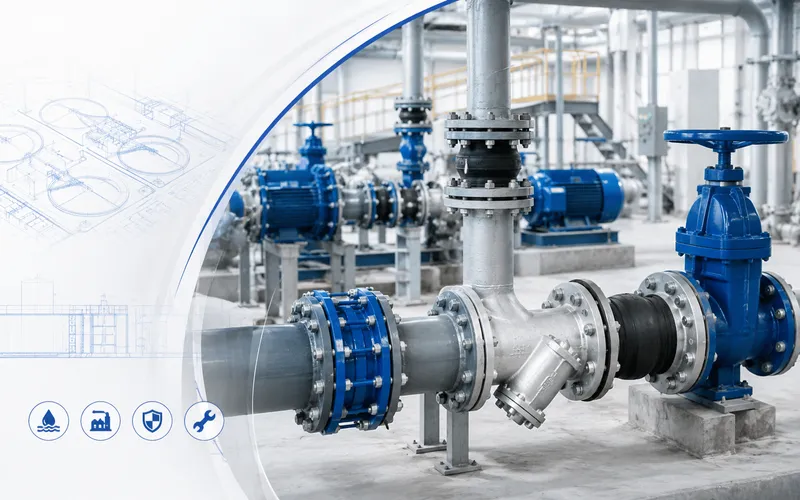
- Pipeline connection solutions for pump stations;
- Flexible connections for water-treatment systems;
- Rubber expansion joint selection for water pipelines;
- Dismantling joints beside valves and equipment;
- Expansion and restraint connections for long water pipelines;
- Vibration and movement control in industrial circulation systems;
- Non-metallic compensators for air and flue-gas ducts;
- Connection adaptation for existing pipeline rehabilitation;
- Matching different pipe outside diameters and flange standards.
These guides focus on application conditions and selection risks rather than repeating general sales descriptions.
6. A Clearer Product Image System
Correct structural images help industrial buyers identify products quickly. Incorrect or highly repetitive images can lead to product misidentification.
Product image sets will progressively include:
- White-background main product images;
- Different product angles;
- Connection and structural details;
- Construction or component explanations;
- Application-specific installation scenes;
- Inspection, packaging and logistics references;
- Product-category comparison images.
Product families will maintain a consistent industrial B2B visual style, while installation environments, pipe layouts, inspection methods and packaging arrangements will reflect the actual product category.
7. Clearer Chinese and English Terminology
Pipeline products may be described by different names in different markets. A flexible rubber connector, for example, may be called a rubber joint, rubber expansion joint, rubber compensator or flexible rubber connector.
We will progressively standardize Chinese and English product names and explain the corresponding construction and application, reducing misunderstandings caused by terminology differences.
English content is written for international contractors, distributors, EPC companies and project buyers, with information that supports technical communication and quotation preparation.
8. Improving the Inquiry Process
An inquiry containing only a product name and quantity is often not sufficient for accurate selection. Relevant pages will therefore explain what information buyers should provide.
- Product name or site photograph;
- Installation position;
- Nominal size and actual pipe outside diameter;
- Medium, temperature and pressure;
- Connection type and flange standard;
- Installation length;
- Movement direction and required movement;
- Pipe material and surface condition;
- Anchoring, restraint and load conditions;
- Project drawings, datasheets or specifications;
- Quantity, packaging requirements and destination port.
Non-standard dimensions, special materials and complex operating conditions should be reviewed against project drawings before quotation.
9. How Buyers Benefit from the Update
| Buyer Requirement | Website Support |
|---|---|
| The exact product name is unknown | Identify products through structure, images and application |
| Different joint types are difficult to distinguish | Product comparisons and application explanations |
| Inquiry information is incomplete | Clear information checklists on product and guide pages |
| The project has non-standard interfaces | Drawing review and customization evaluation |
| Technical data reliability is uncertain | Progressive source, review and verification controls |
| Chinese and English communication is required | Standardized bilingual terminology and explanations |
10. Continuous Content Development
The product resource center is an ongoing project. Product pages, application guides, FAQs, images and technical explanations will continue to be improved as supporting information is reviewed.
Our priorities are to ensure that:
- Product names match the actual construction;
- Different product pages contain genuinely different information;
- Unverified data is not presented as confirmed technical performance;
- Technical content helps buyers prepare real project inquiries;
- Images identify the product accurately rather than serving only as decoration;
- Content supports engineering understanding, purchasing efficiency and search usability.
11. Submit Your Project Requirements
For rubber expansion joints, dismantling joints, pipe expansion joints, flange adaptors, steel flexible couplings, metallic bellows or non-metallic compensators, send us product photographs, installation details, operating conditions and project drawings.
We can assist with product identification, preliminary selection and customization evaluation according to the connection type, medium, temperature, pressure, pipe outside diameter, installation length and movement requirements.
Final construction, materials, dimensions and technical conditions must be based on mutually confirmed drawings, datasheets, quotations or contract documents.