 简体中文
简体中文  English
  日本語
日本語  한국어
한국어  Français
  Deutsch
  Español
  Português
  Русский
  العربية
  ไทย
ไทย  Tiếng Việt
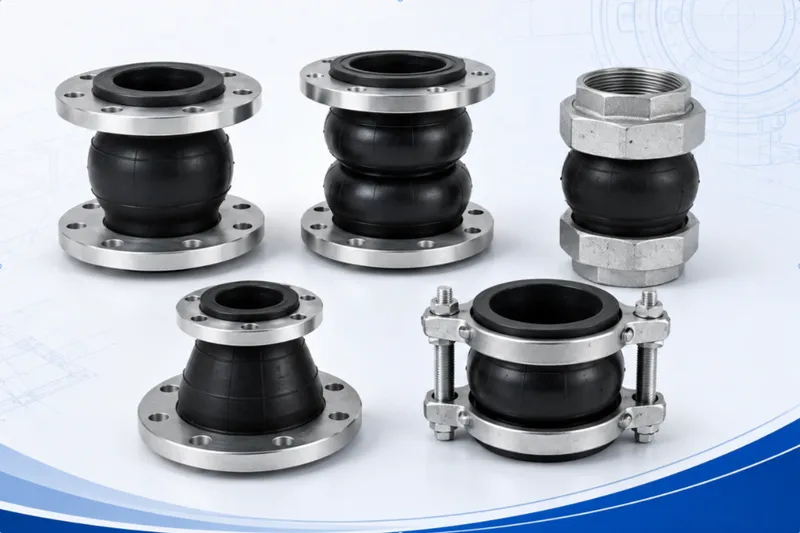
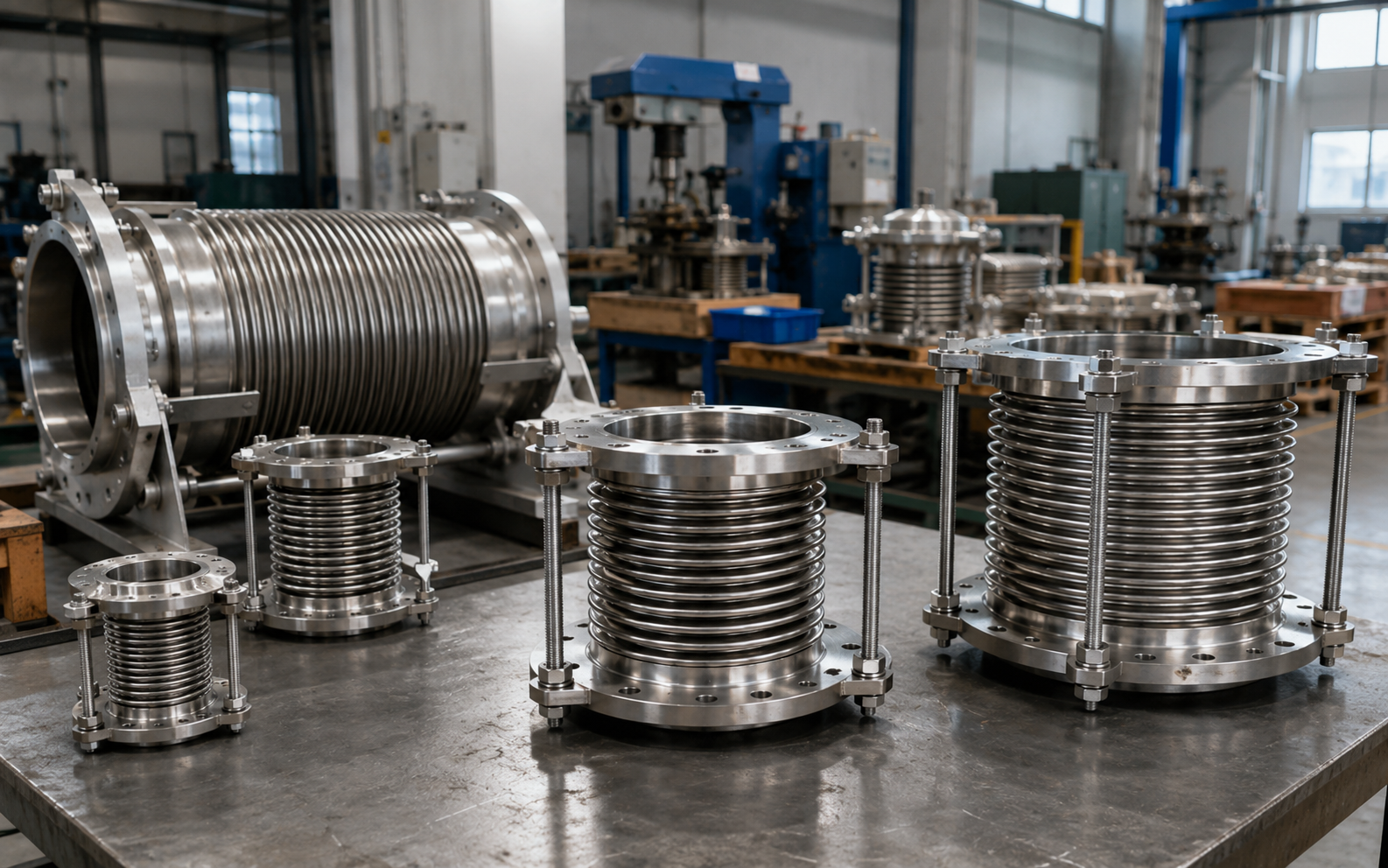




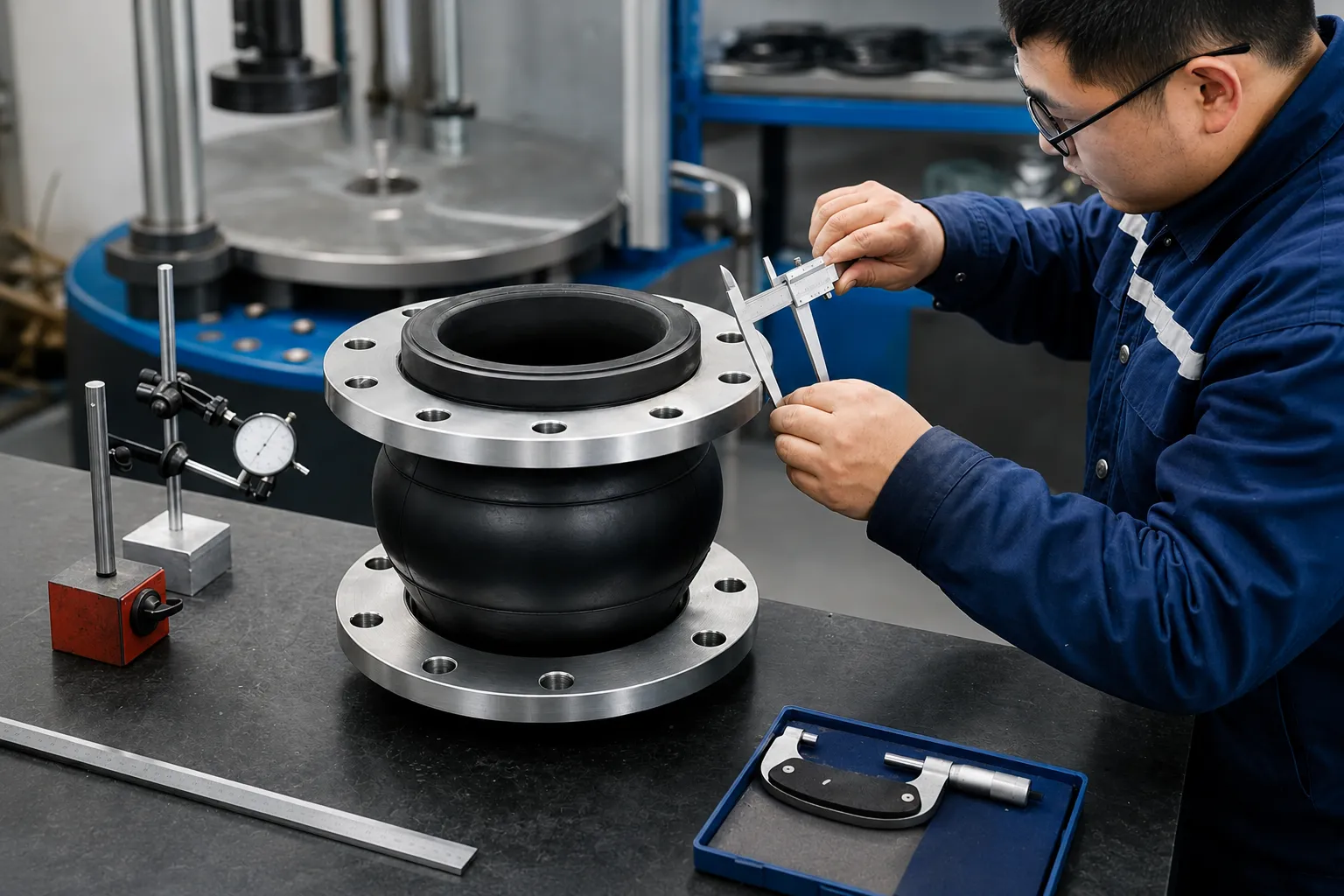
# Danh sách kiểm tra chất lượng khớp nối cao su\n\n## Hướng dẫn cho người mua B2B\n\nBài viết này giúp bộ phận mua hàng kỹ thuật, nhà thầu, nhà phân phối và khách hàng OEM/ODM chuẩn bị thông tin trước khi gửi yêu cầu báo giá.\n\n## Phụ kiện đường ống: Danh sách kiểm tra chất lượng khớp nối cao su\n\nKhông nên chọn chỉ theo tên sản phẩm. Cần xác nhận kích thước ống, áp suất, tiêu chuẩn kết nối, vật liệu, môi chất, nhiệt độ, vị trí lắp đặt, số lượng và bản vẽ.\n\nSản phẩm liên quan có thể gồm khớp nối cao su giãn nở, khớp tháo lắp, khớp nối ống, bộ chuyển mặt bích, khớp giãn nở kim loại và ống lồng chống thấm.\n\n## RFQ\n\nĐể báo giá nhanh hơn, hãy gửi DN, áp suất, tiêu chuẩn mặt bích, vật liệu, môi chất, nhiệt độ, số lượng, bản vẽ hoặc hình ảnh.\n\n- DN / size\n- pressure rating\n- connection standard\n- material\n- working medium and temperature\n- quantity\n- drawing, photo or specification\n\n## Quality and Packing\n\nTrước khi giao hàng cần kiểm tra ngoại quan, kích thước, bề mặt kết nối, phụ kiện, nhãn và đóng gói. Yêu cầu thử nghiệm cần xác nhận trước sản xuất.\n\n## Project Inquiry\n\nGửi kích thước, áp suất, tiêu chuẩn kết nối, vật liệu, môi chất, số lượng và bản vẽ để xác nhận cấu hình phù hợp.
Kiểm soát chất lượng
Danh sách kiểm tra chất lượng khớp nối cao su
Danh sách kiểm tra chất lượng khớp nối cao su Hướng dẫn cho người mua B2B Bài viết này giúp bộ phận mua hàng kỹ thuật nhà thầu nhà phân phối và khách hàng OEM ODM chuẩn bị thông tin trước khi gửi yêu cầu báo giá Phụ kiện đường ống Danh sách kiểm tra chất lượng
最新文章
Rubber Expansion Joints for Pump Suction Lines: Vacuum Risks and Installation Checks
2026-07-31 17:27:34

Hướng dẫn trực quan chọn phụ kiện đường ống
2026-07-17 14:57:50
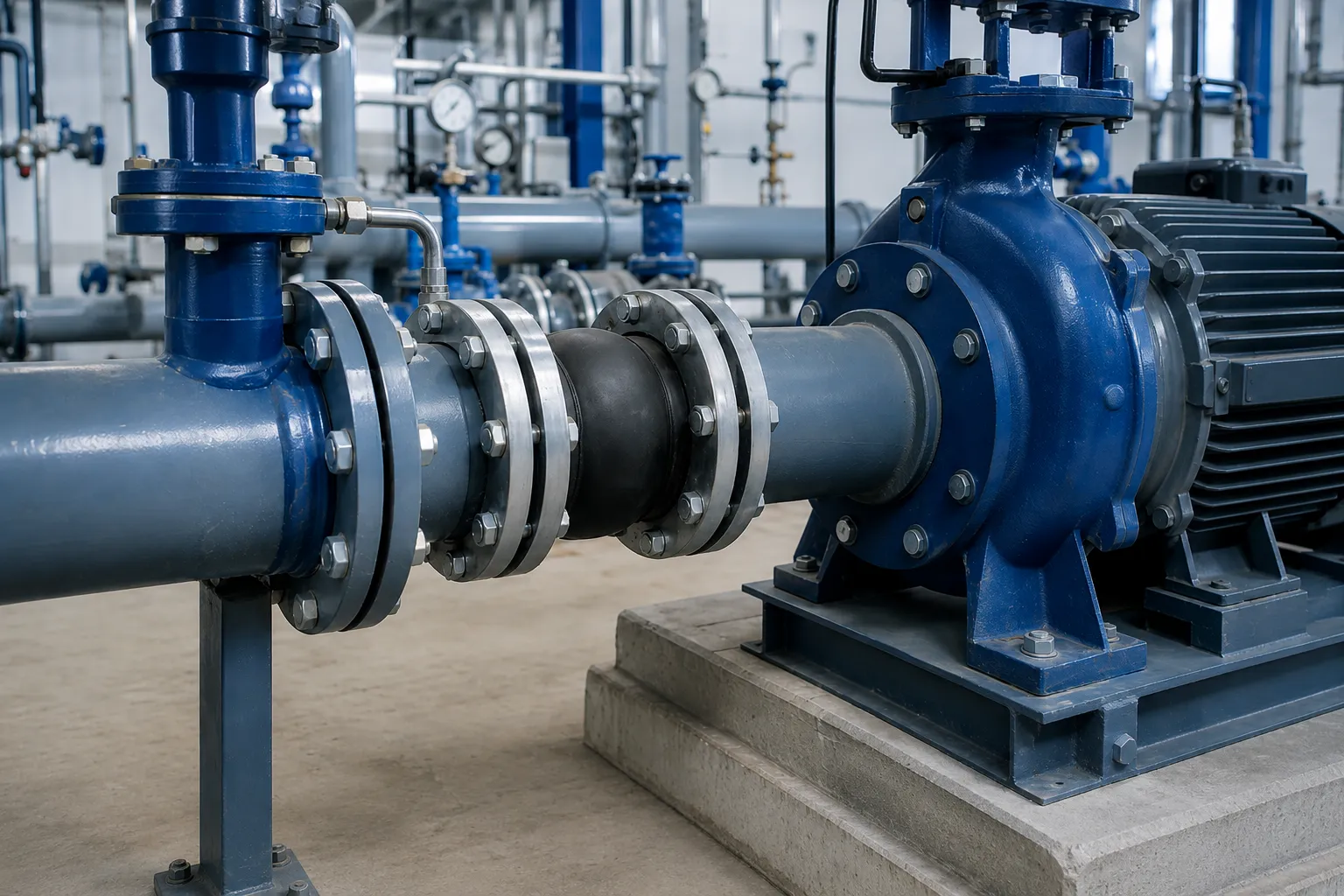
Khớp nối cao su một cầu cho trạm bơm và đường ống nước
2026-07-17 14:57:48
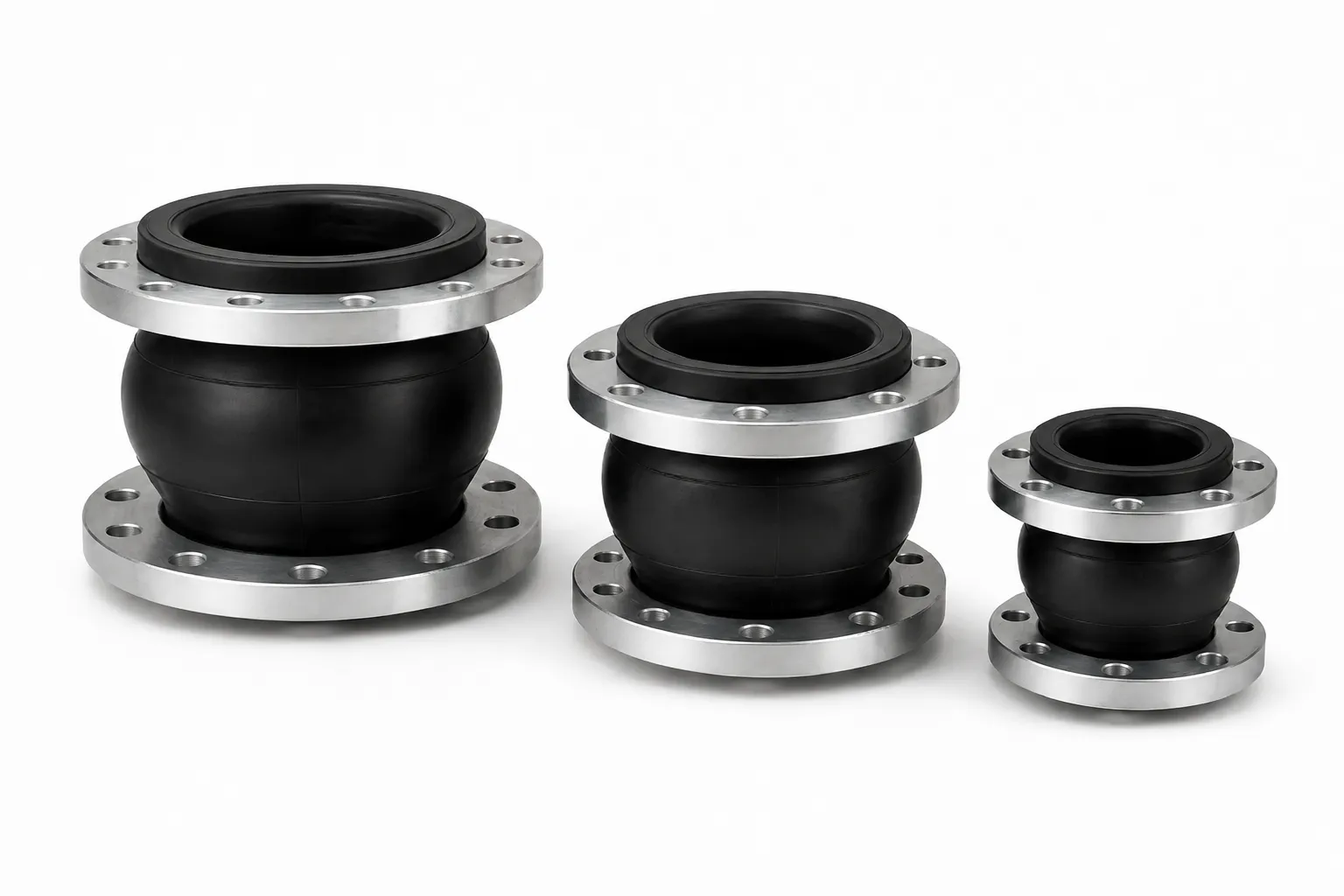
Khớp nối cao su giãn nở là gì
2026-07-17 14:57:45
Kế hoạch tin tức công ty cho website phụ kiện đường ống
2026-07-17 14:57:43
关联内容
Hướng dẫn ứng dụng
Rubber Expansion Joints for Pump Suction Lines: Vacuum Risks and Installation Checks
A pump suction line can drop below atmospheric pressure during startup, low water level or flow fluc ...
Hướng dẫn chọn sản phẩm
Hướng dẫn trực quan chọn phụ kiện đường ống
Hướng dẫn trực quan chọn phụ kiện đường ống Hướng dẫn cho người mua B2B Bài viết này giúp bộ phận mu ...
Hướng dẫn ứng dụng
Khớp nối cao su một cầu cho trạm bơm và đường ống nước
Khớp nối cao su một cầu cho trạm bơm và đường ống nước Hướng dẫn cho người mua B2B Bài viết này giúp ...
Hướng dẫn chọn sản phẩm
Khớp nối cao su giãn nở là gì
Khớp nối cao su giãn nở là gì Hướng dẫn cho người mua B2B Bài viết này giúp bộ phận mua hàng kỹ thuậ ...
常见问题
?Does every rubber expansion joint require hydrostatic testing?
Not necessarily. Whether testing is performed on every unit, by batch sampling or under another agreed method depends on the product specification, purchase contract and approved inspection plan.
?Which dimensions should be checked before shipment?
Typical checks include nominal size, bore, face-to-face length, flange outside diameter, flange thickness, bolt-circle diameter, number and diameter of bolt holes, sealing surface and connection alignment.
?Is visual inspection enough to confirm product quality?
No. Visual inspection identifies surface defects, but quality control should also cover raw materials, internal reinforcement, curing records, metallic components, dimensions, traceability and required testing.
?How can the specified elastomer compound be verified?
Verification should use controlled raw-material records, batch identification, production documentation and agreed material checks. Colour or surface appearance is not sufficient.
?When should third-party inspection be specified?
Third-party inspection, witness points and special testing should be stated during the RFQ or order stage because they may affect cost, production planning and delivery time.
?Which quality documents can be supplied with the shipment?
Depending on the order, the shipment may include approved drawings, dimensional records, visual inspection reports, test reports, material documents, product photographs, packing lists and third-party inspection reports.