 简体中文
简体中文  English
  日本語
日本語  한국어
한국어  Français
  Deutsch
  Español
  Português
  Русский
  العربية
  ไทย
ไทย  Tiếng Việt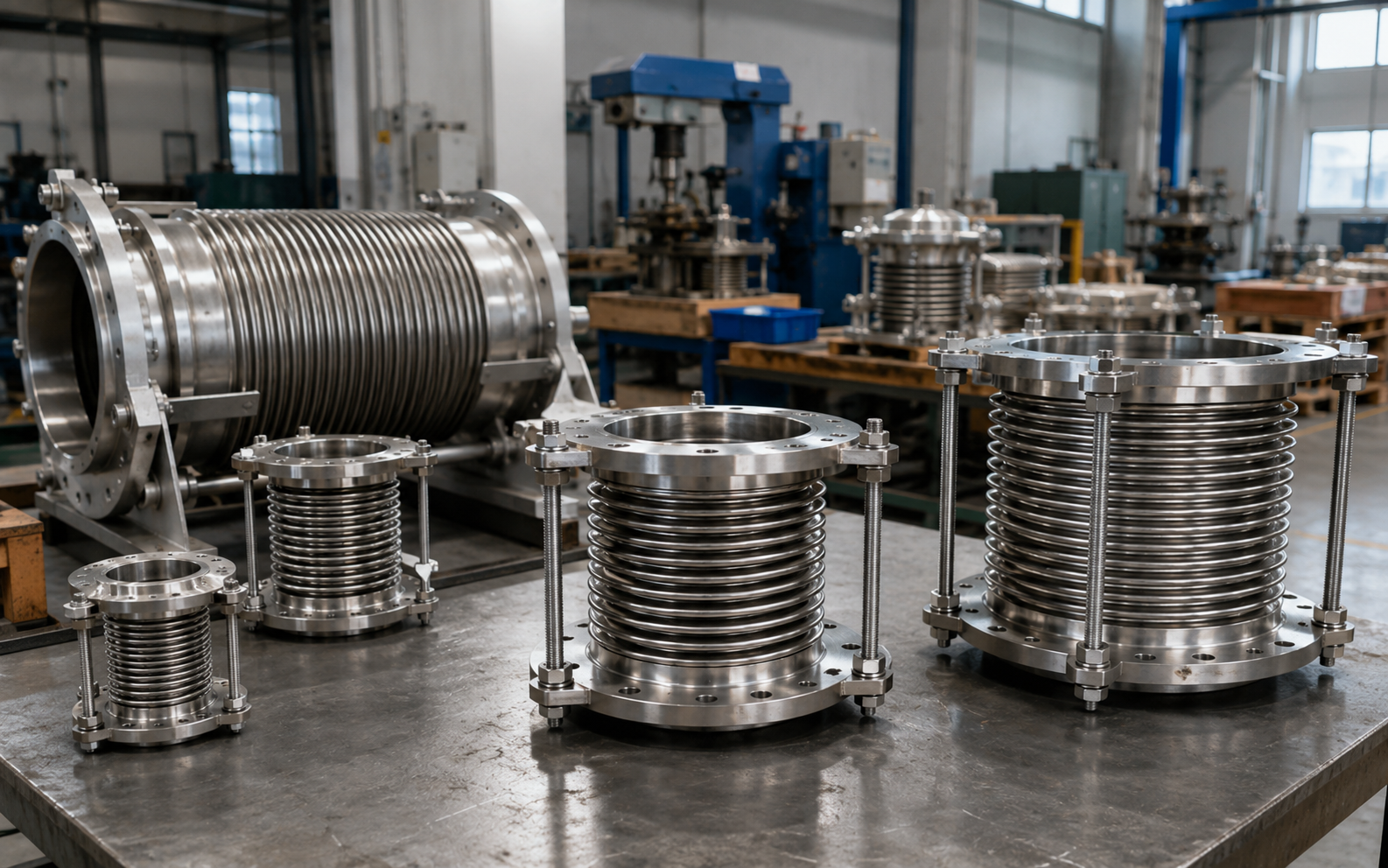
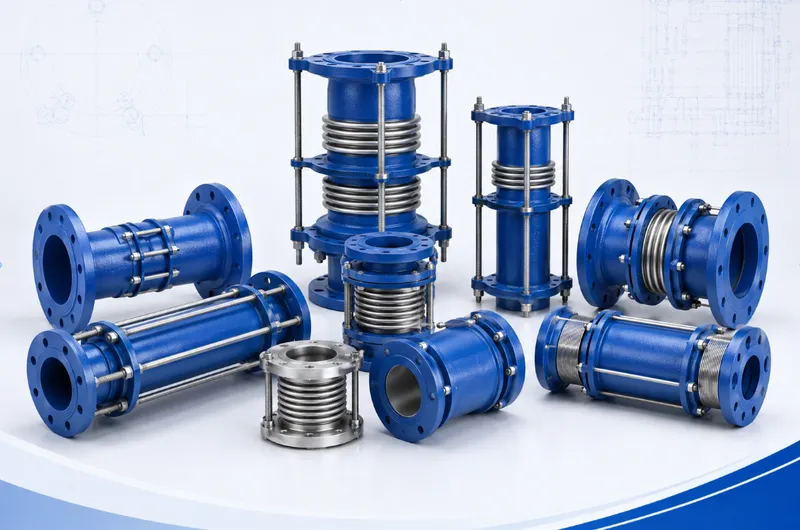
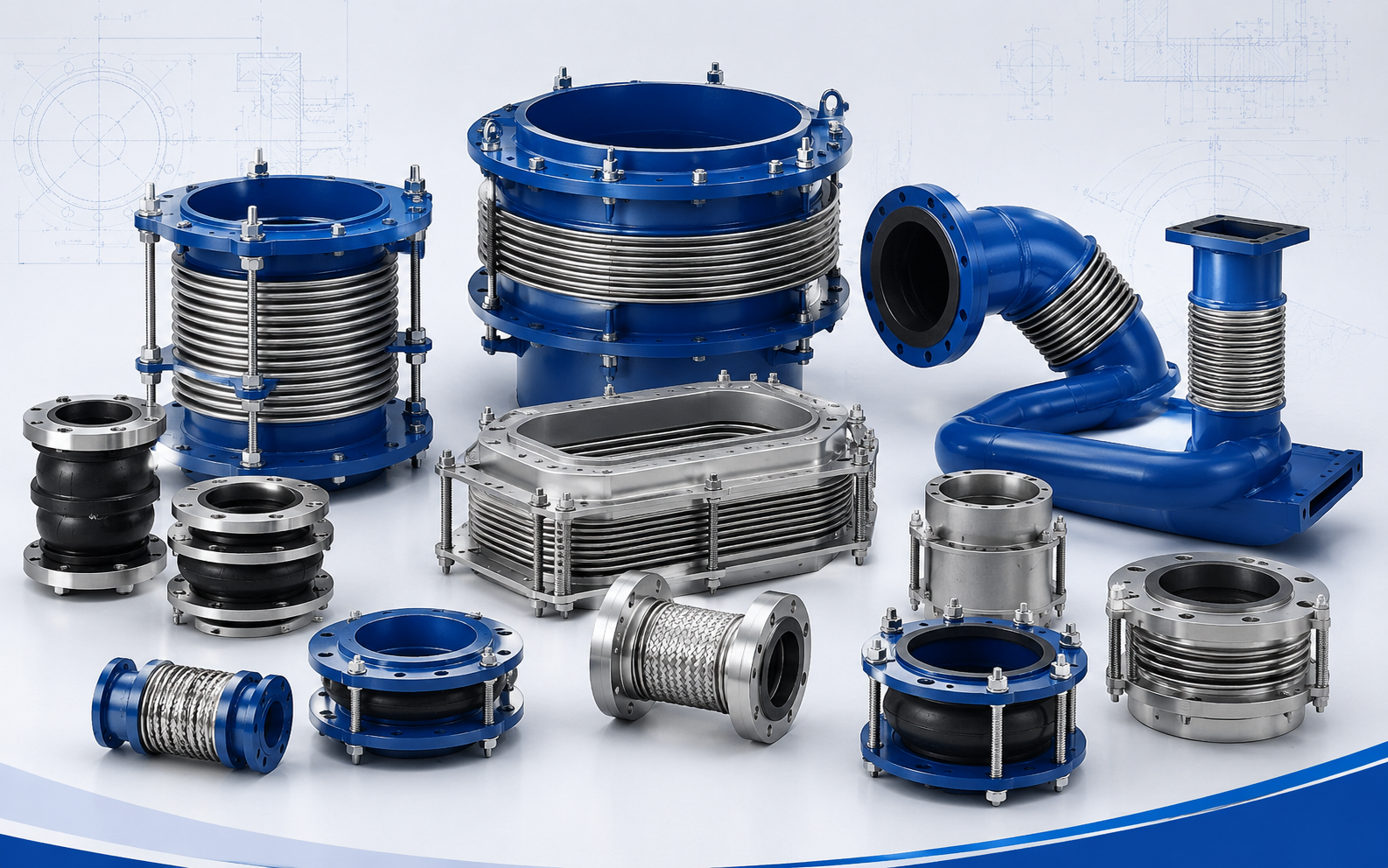
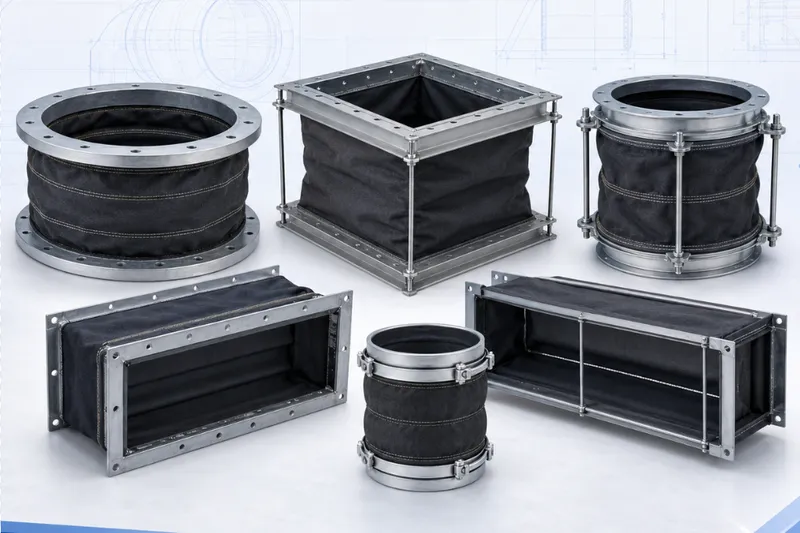
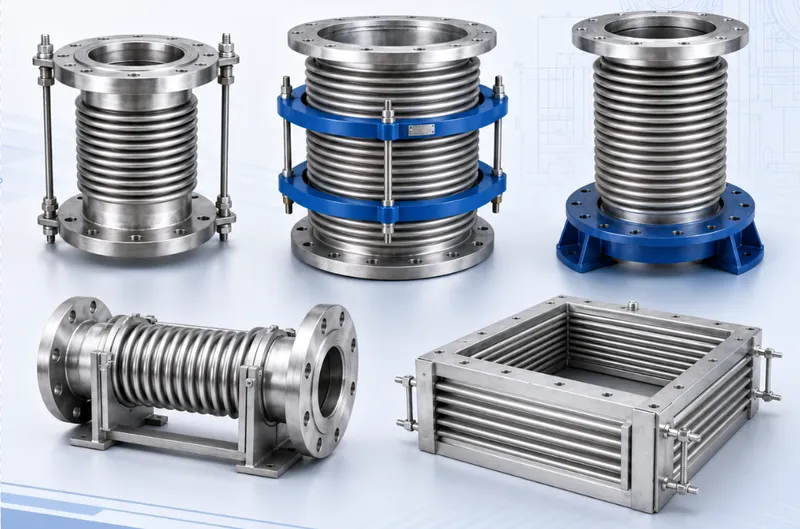
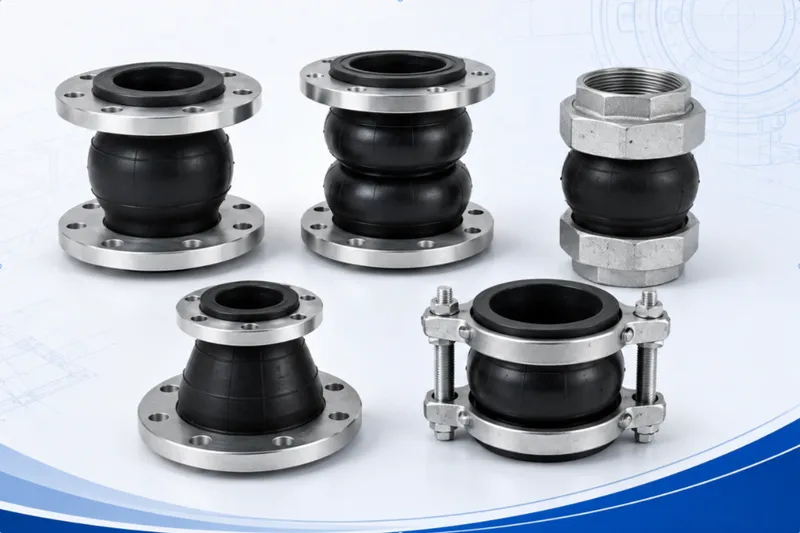

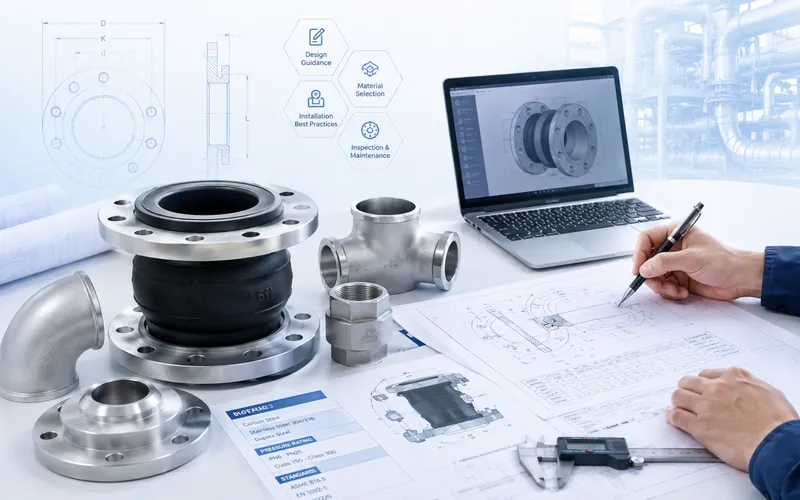
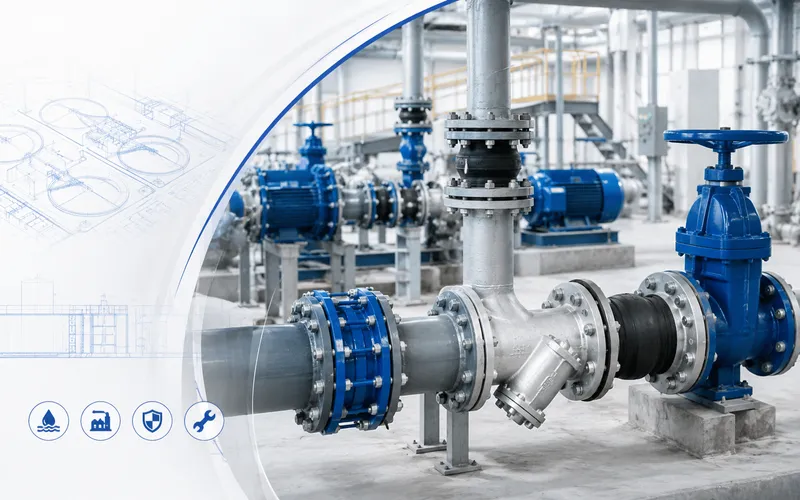
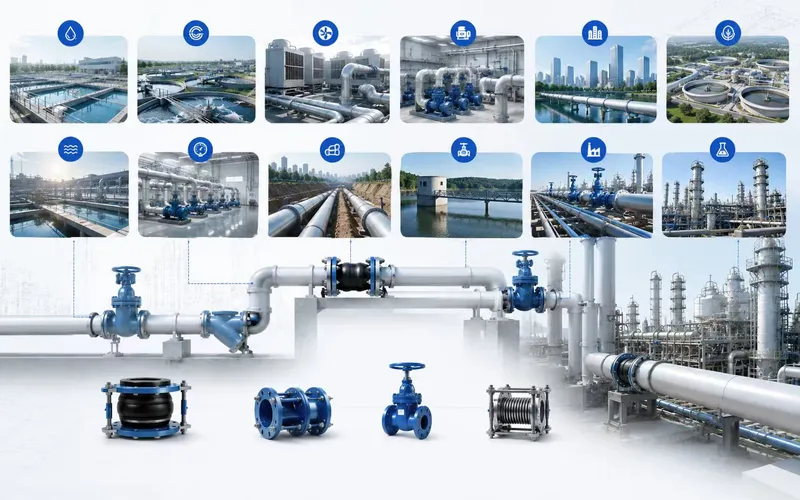
# วิธีลดการสั่นสะเทือนของท่อปั๊ม\n\n## คู่มือสำหรับผู้ซื้อ B2B\n\nบทความนี้ช่วยผู้จัดซื้อด้านวิศวกรรม ผู้รับเหมา ผู้จัดจำหน่าย และลูกค้า OEM/ODM เตรียมข้อมูลก่อนส่งคำขอใบเสนอราคา\n\n## อุปกรณ์ท่อ: วิธีลดการสั่นสะเทือนของท่อปั๊ม\n\nไม่ควรเลือกจากชื่อสินค้าเท่านั้น ควรยืนยันขนาดท่อ ระดับแรงดัน มาตรฐานการต่อ วัสดุ ของไหล อุณหภูมิ ตำแหน่งติดตั้ง จำนวน และแบบวาด\n\nผลิตภัณฑ์ที่เกี่ยวข้องอาจรวมถึงข้อต่อยางยืด ข้อต่อถอดได้ คัปปลิ้งท่อ อะแดปเตอร์หน้าแปลน ข้อต่อชดเชยโลหะ และปลอกกันน้ำ\n\n## RFQ\n\nเพื่อให้เสนอราคาได้เร็วขึ้น โปรดส่ง DN แรงดัน มาตรฐานหน้าแปลน วัสดุ ของไหล อุณหภูมิ จำนวน แบบวาดหรือรูปถ่าย\n\n- DN / size\n- pressure rating\n- connection standard\n- material\n- working medium and temperature\n- quantity\n- drawing, photo or specification\n\n## Quality and Packing\n\nก่อนจัดส่งควรตรวจสอบลักษณะภายนอก ขนาด พื้นผิวต่อ อุปกรณ์เสริม ป้ายกำกับ และบรรจุภัณฑ์ ข้อกำหนดการทดสอบควรยืนยันก่อนผลิต\n\n## Project Inquiry\n\nส่งขนาด แรงดัน มาตรฐานการต่อ วัสดุ ของไหล จำนวน และแบบวาด เพื่อยืนยันการกำหนดค่าที่เหมาะสม
最新文章
Rubber Expansion Joints for Pump Suction Lines: Vacuum Risks and Installation Checks
2026-07-31 17:27:34
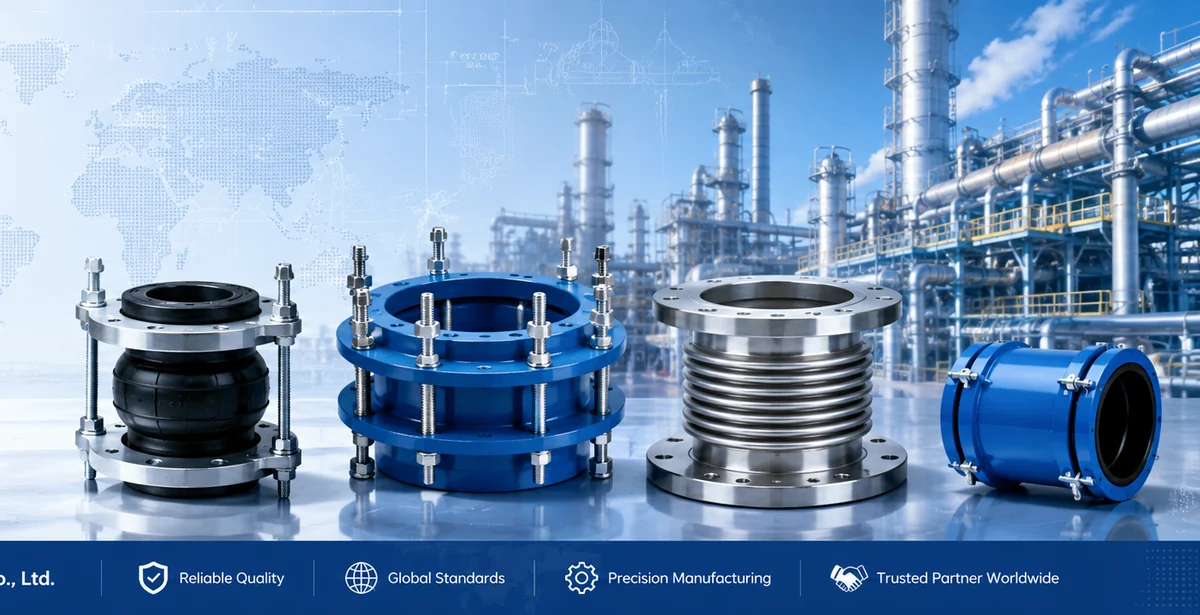
คู่มือภาพสำหรับการเลือกอุปกรณ์ท่อ
2026-07-17 14:57:50
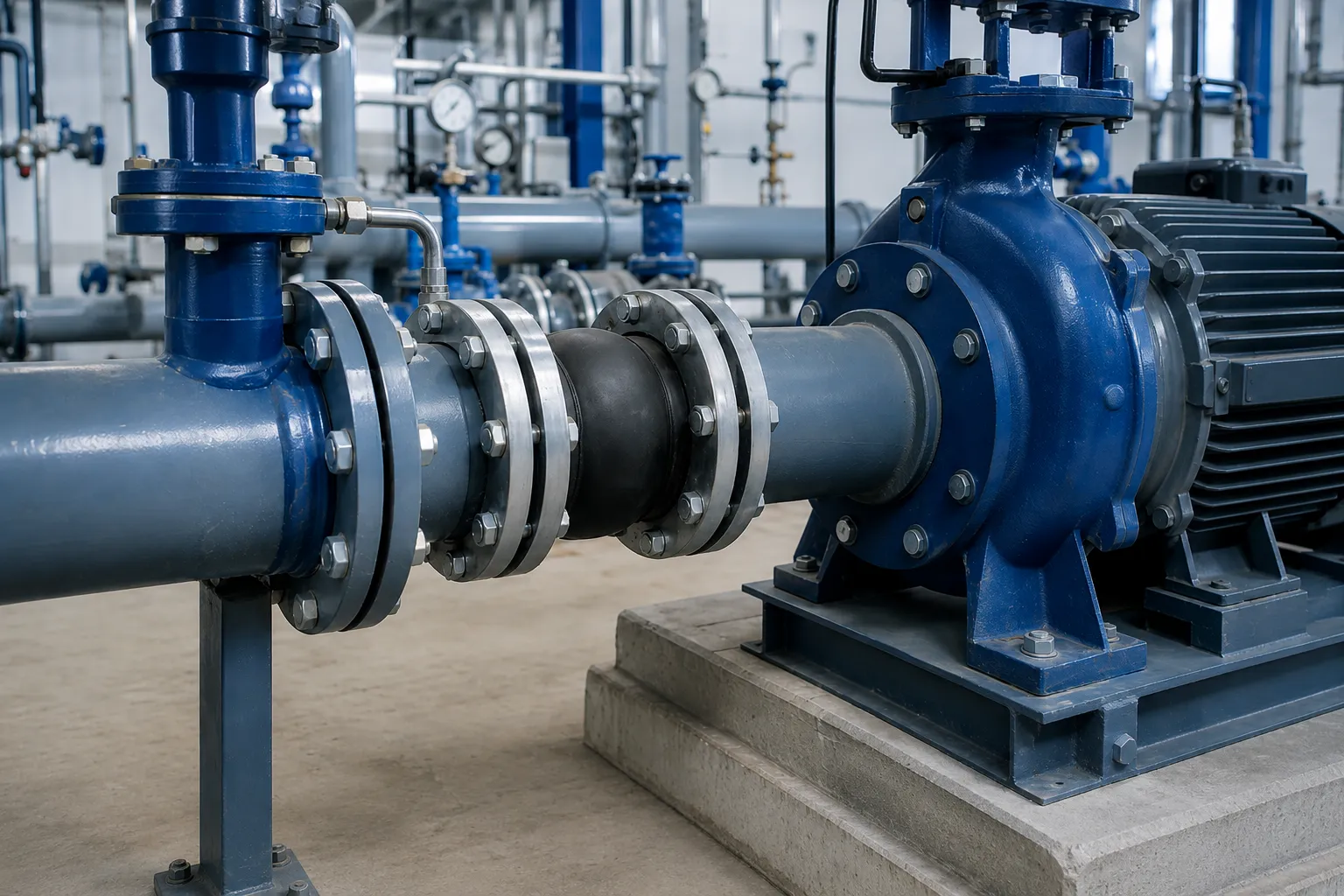
ข้อต่อยางทรงกลมเดี่ยวสำหรับสถานีสูบน้ำและท่อน้ำ
2026-07-17 14:57:47
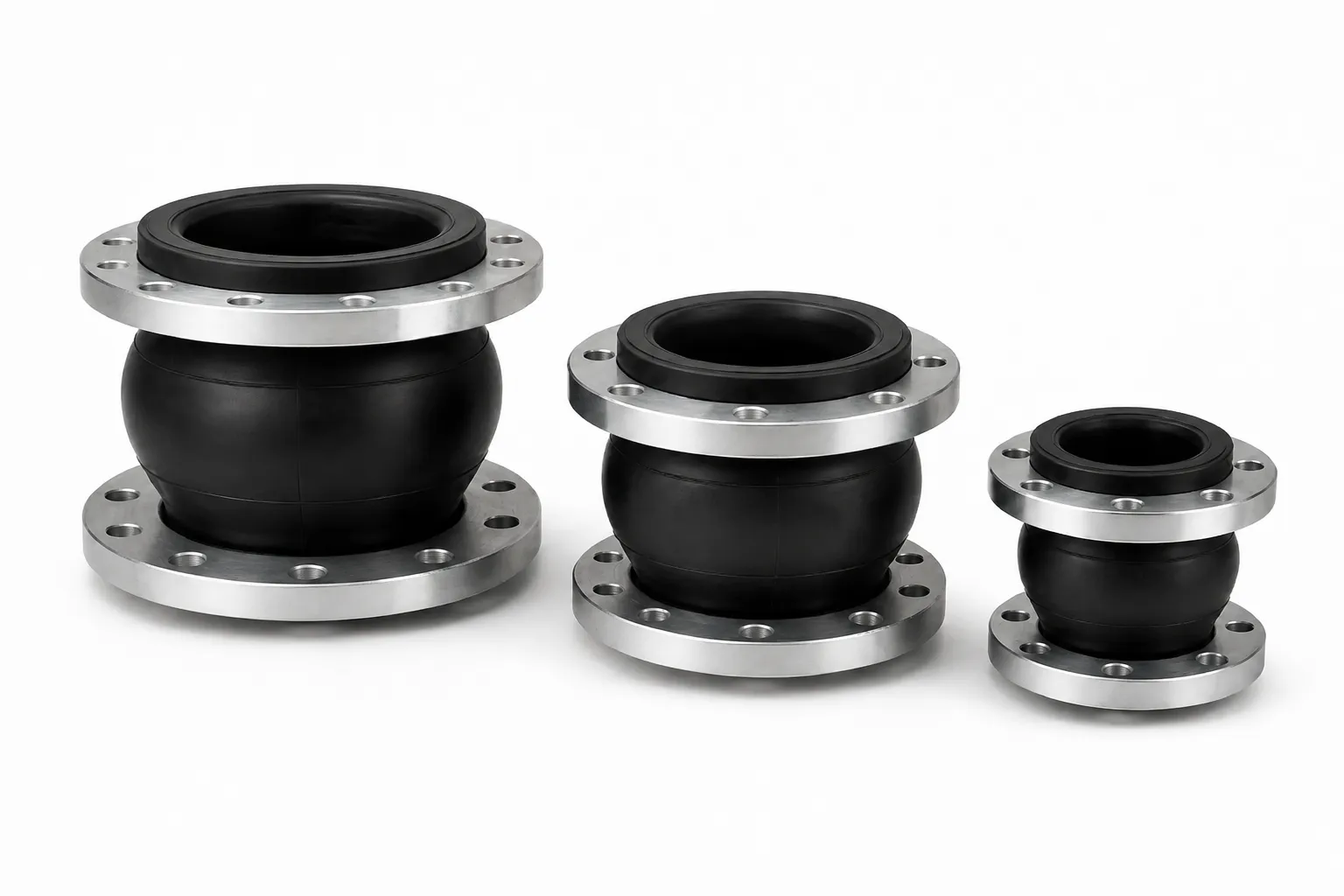
ข้อต่อยางยืดคืออะไร
2026-07-17 14:57:45
แผนข่าวบริษัทสำหรับเว็บไซต์อุปกรณ์ท่อ
2026-07-17 14:57:42
关联内容
คู่มือการใช้งาน
Rubber Expansion Joints for Pump Suction Lines: Vacuum Risks and Installation Checks
A pump suction line can drop below atmospheric pressure during startup, low water level or flow fluc ...
คู่มือเลือกสินค้า
คู่มือภาพสำหรับการเลือกอุปกรณ์ท่อ
คู่มือภาพสำหรับการเลือกอุปกรณ์ท่อ คู่มือสำหรับผู้ซื้อ B2B บทความนี้ช่วยผู้จัดซื้อด้านวิศวกรรม ผู้รับ ...
คู่มือการใช้งาน
ข้อต่อยางทรงกลมเดี่ยวสำหรับสถานีสูบน้ำและท่อน้ำ
ข้อต่อยางทรงกลมเดี่ยวสำหรับสถานีสูบน้ำและท่อน้ำ คู่มือสำหรับผู้ซื้อ B2B บทความนี้ช่วยผู้จัดซื้อด้านว ...
คู่มือเลือกสินค้า
ข้อต่อยางยืดคืออะไร
ข้อต่อยางยืดคืออะไร คู่มือสำหรับผู้ซื้อ B2B บทความนี้ช่วยผู้จัดซื้อด้านวิศวกรรม ผู้รับเหมา ผู้จัดจำห ...
常见问题
?What causes vibration in pump piping systems?
Common causes include pump-driver misalignment, rotating imbalance, damaged bearings or impellers, cavitation, non-uniform suction flow, air entrainment, pressure pulsation, check-valve impact, pipe strain, weak supports and structural resonance.
?Will a rubber expansion joint stop pump vibration?
It can reduce the transmission of some mechanical vibration and noise, but it will not repair pump faults, eliminate cavitation, correct severe misalignment or replace pipe supports and anchors.
?Can the same rubber joint be used on pump suction and discharge?
Not automatically. Suction service requires confirmation of minimum pressure and vacuum capability, while discharge service requires review of positive pressure, axial thrust, transient pressure and restraint.
?When are control rods required on a pump connector?
Control rods should be evaluated where pressure thrust is not fully restrained by the piping system, anchors are uncertain, equipment nozzle loads are limited or joint overextension and pullout are possible.
?Can rubber expansion joints prevent water hammer?
They should not be used as stand-alone surge-control devices. Water hammer requires review of pump controls, valve closure, check valves, air management, surge equipment and the complete hydraulic system.
?What information is needed to select a flexible pump connector?
Provide the pump and piping drawings, installation location, size, medium, temperature, pressure, suction vacuum, flange standard, installed length, movement, supports, anchors, nozzle loads, materials and vibration observations.