 简体中文
简体中文  English
  日本語
日本語  한국어
한국어  Français
  Deutsch
  Español
  Português
  Русский
  العربية
  ไทย
ไทย  Tiếng Việt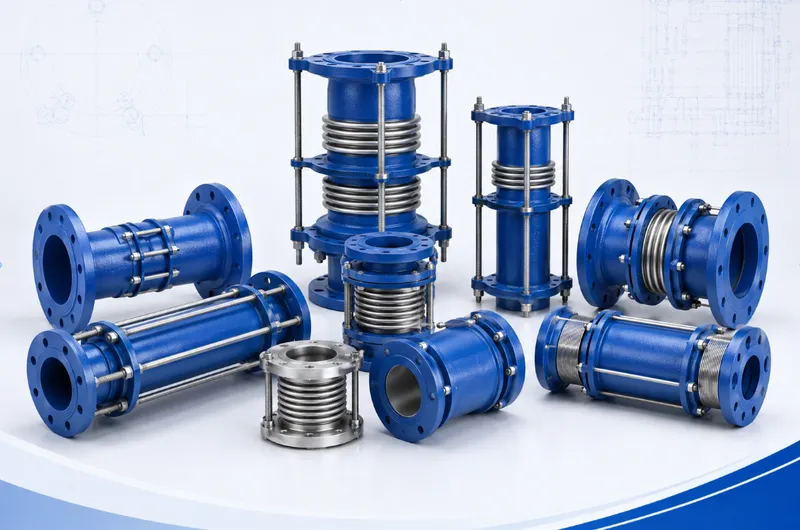
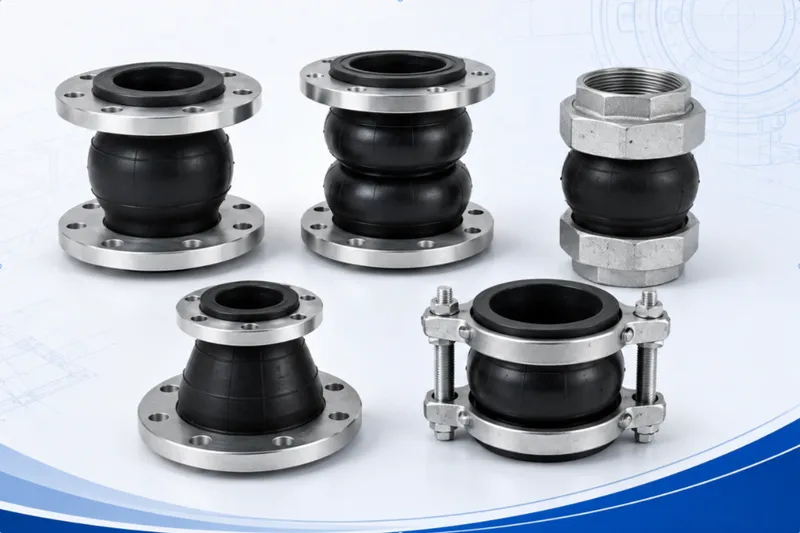
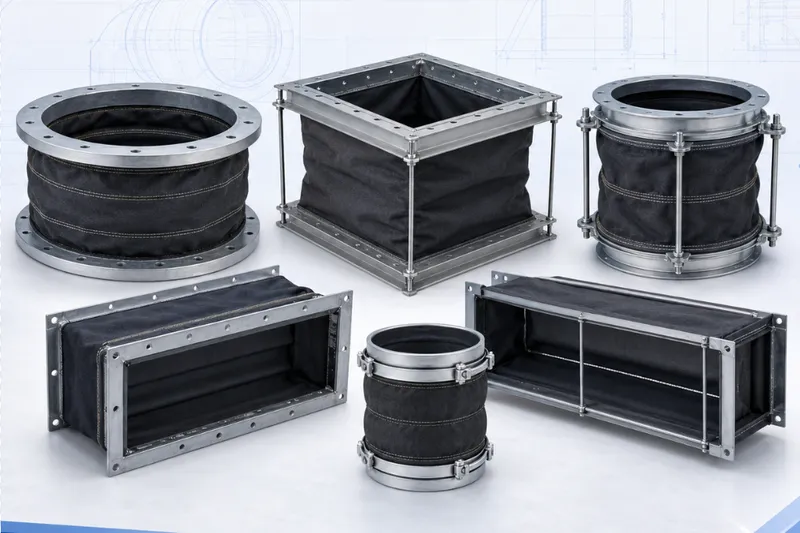
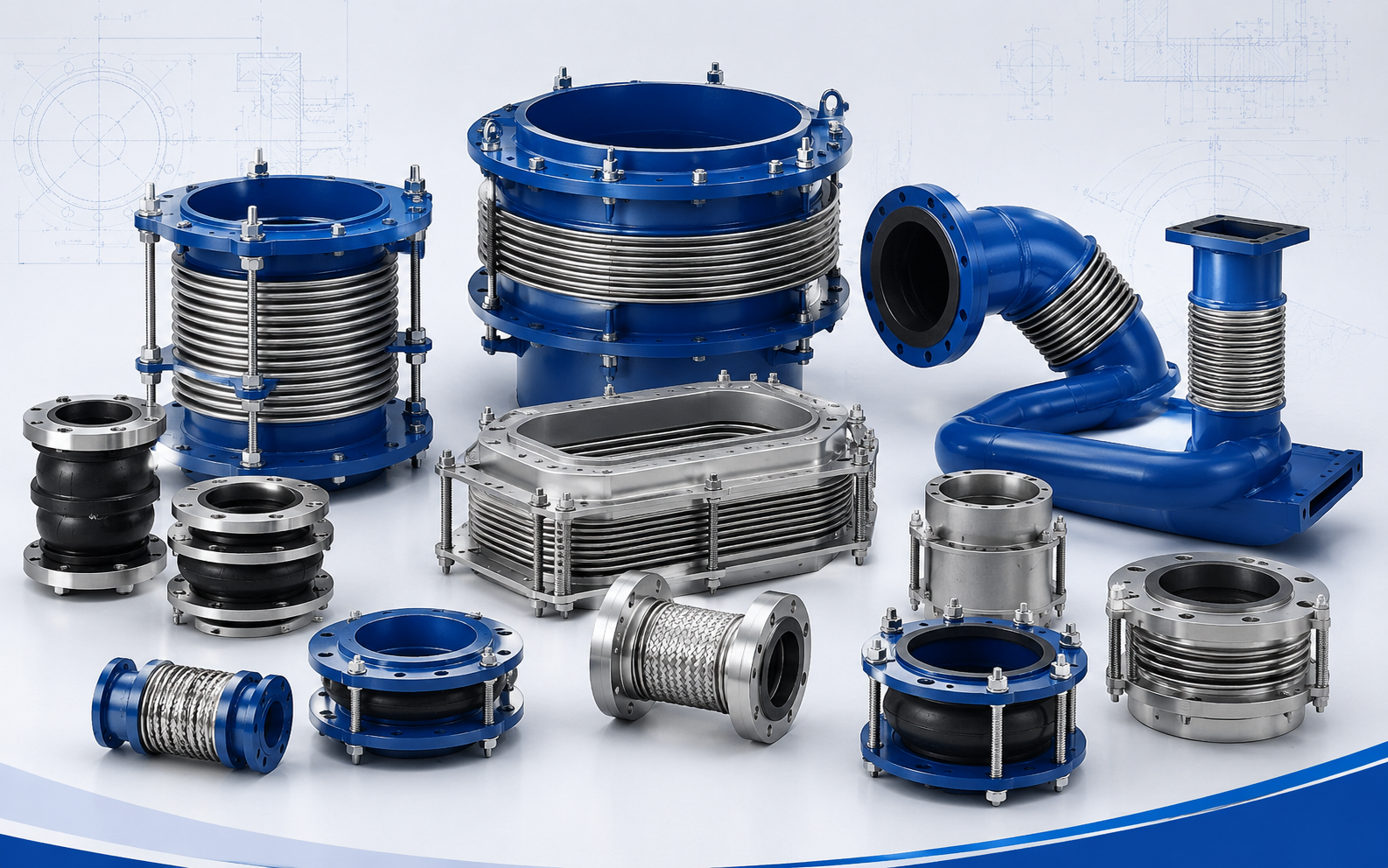
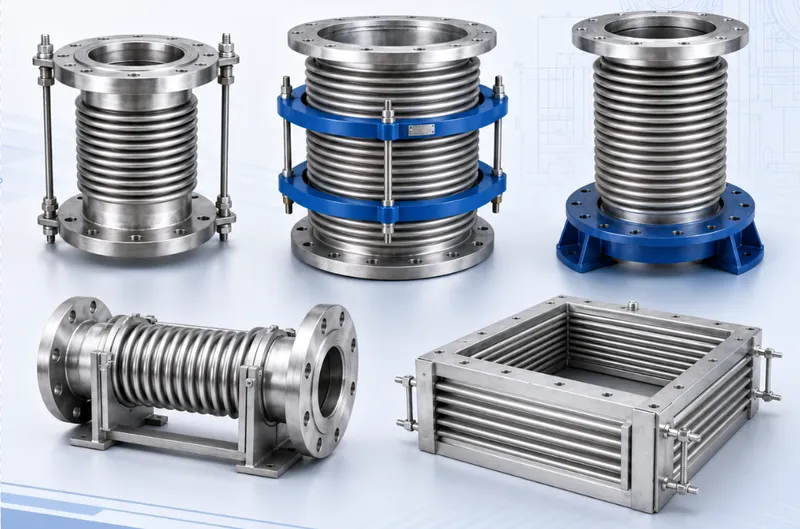
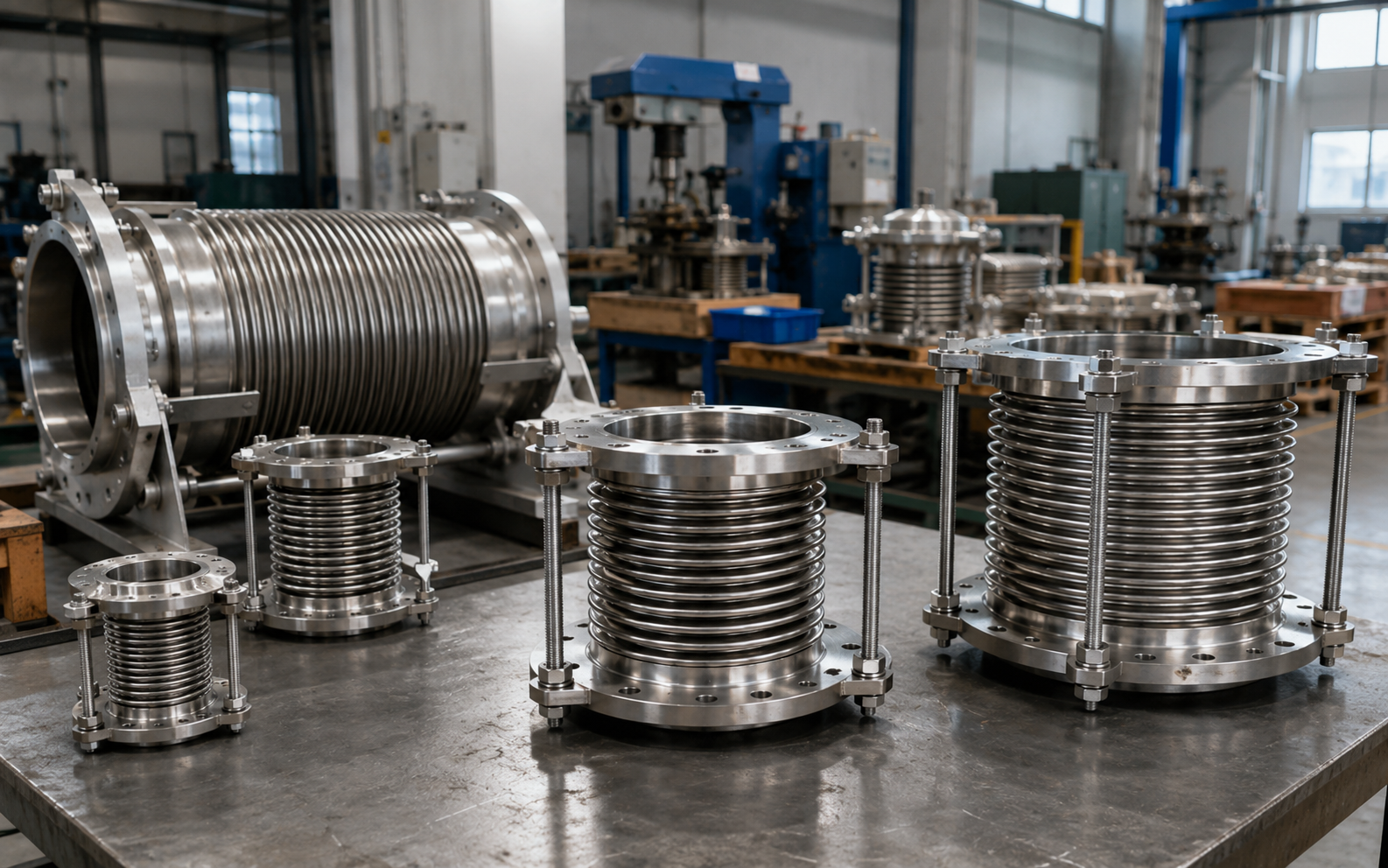

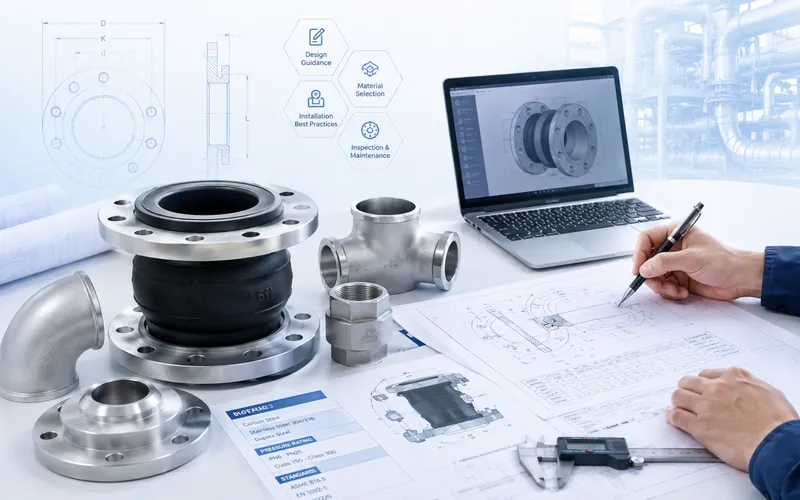
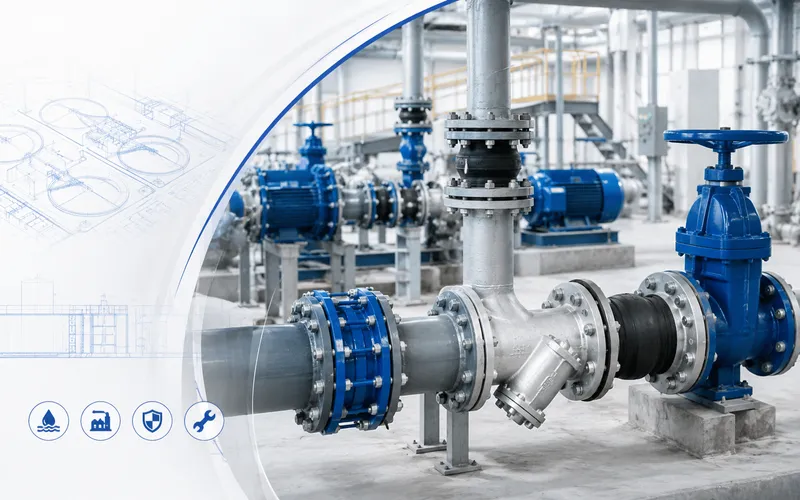
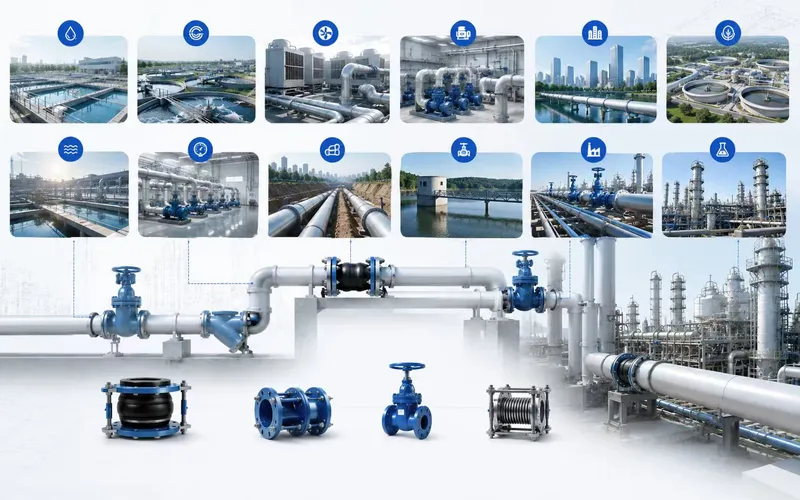
# Raccords de tuyauterie pour stations de pompage\n\n## Guide pour acheteurs B2B\n\nCet article aide les acheteurs techniques, installateurs, distributeurs et clients OEM/ODM à préparer les informations nécessaires avant une demande de prix.\n\n## Raccords de tuyauterie: Raccords de tuyauterie pour stations de pompage\n\nNe choisissez pas seulement par nom de produit. Vérifiez la dimension, la pression, la norme de raccordement, le matériau, le fluide, la température, la position de montage, la quantité et le plan.\n\nLes produits concernés peuvent inclure joints de dilatation en caoutchouc, joints de démontage, raccords de tuyauterie, adaptateurs à bride, compensateurs métalliques et manchons étanches.\n\n## RFQ\n\nPour un devis plus rapide, envoyez DN, pression, norme de bride, matériau, fluide, température, quantité, plan ou photo.\n\n- DN / size\n- pressure rating\n- connection standard\n- material\n- working medium and temperature\n- quantity\n- drawing, photo or specification\n\n## Quality and Packing\n\nAvant expédition, vérifiez l’aspect, les dimensions, les faces de raccordement, les accessoires, l’étiquetage et l’emballage. Les essais doivent être confirmés avant production.\n\n## Project Inquiry\n\nPour votre projet, envoyez dimensions, pression, norme de raccordement, matériau, fluide, quantité et plan afin de confirmer la configuration.
Études de projet
Raccords de tuyauterie pour stations de pompage
Raccords de tuyauterie pour stations de pompage Guide pour acheteurs B2B Cet article aide les acheteurs techniques installateurs distributeurs et clients OEM ODM à préparer les informations nécessaires avant une demande de prix Raccords de tuyauterie Raccords
最新文章
Rubber Expansion Joints for Pump Suction Lines: Vacuum Risks and Installation Checks
2026-07-31 17:27:34
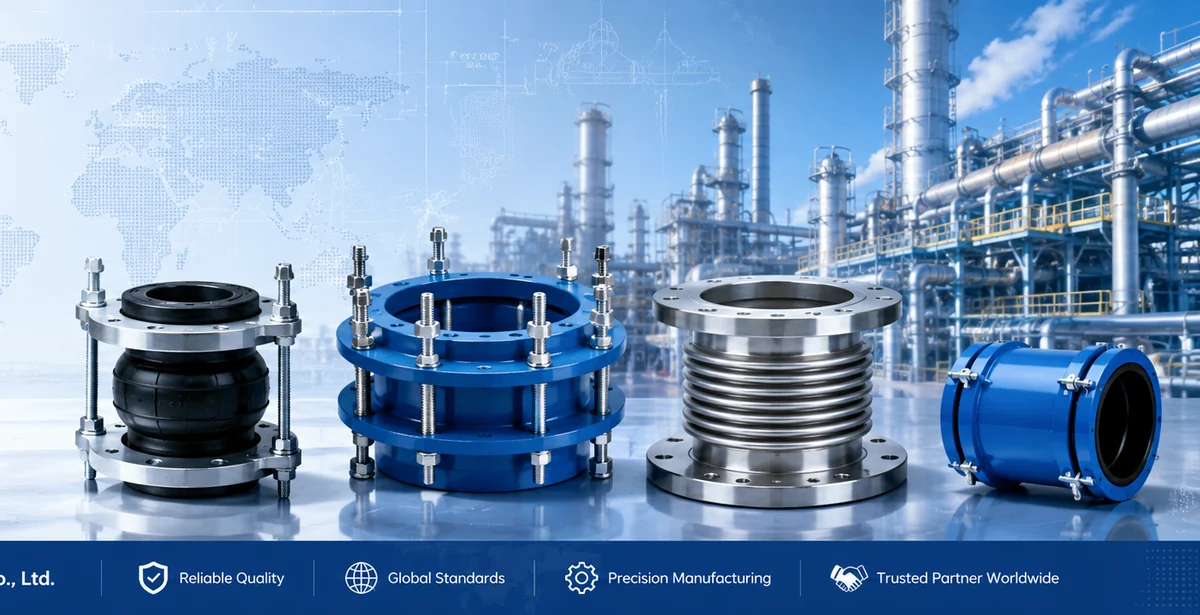
Guide visuel de sélection des raccords de tuyauterie
2026-07-17 14:57:48
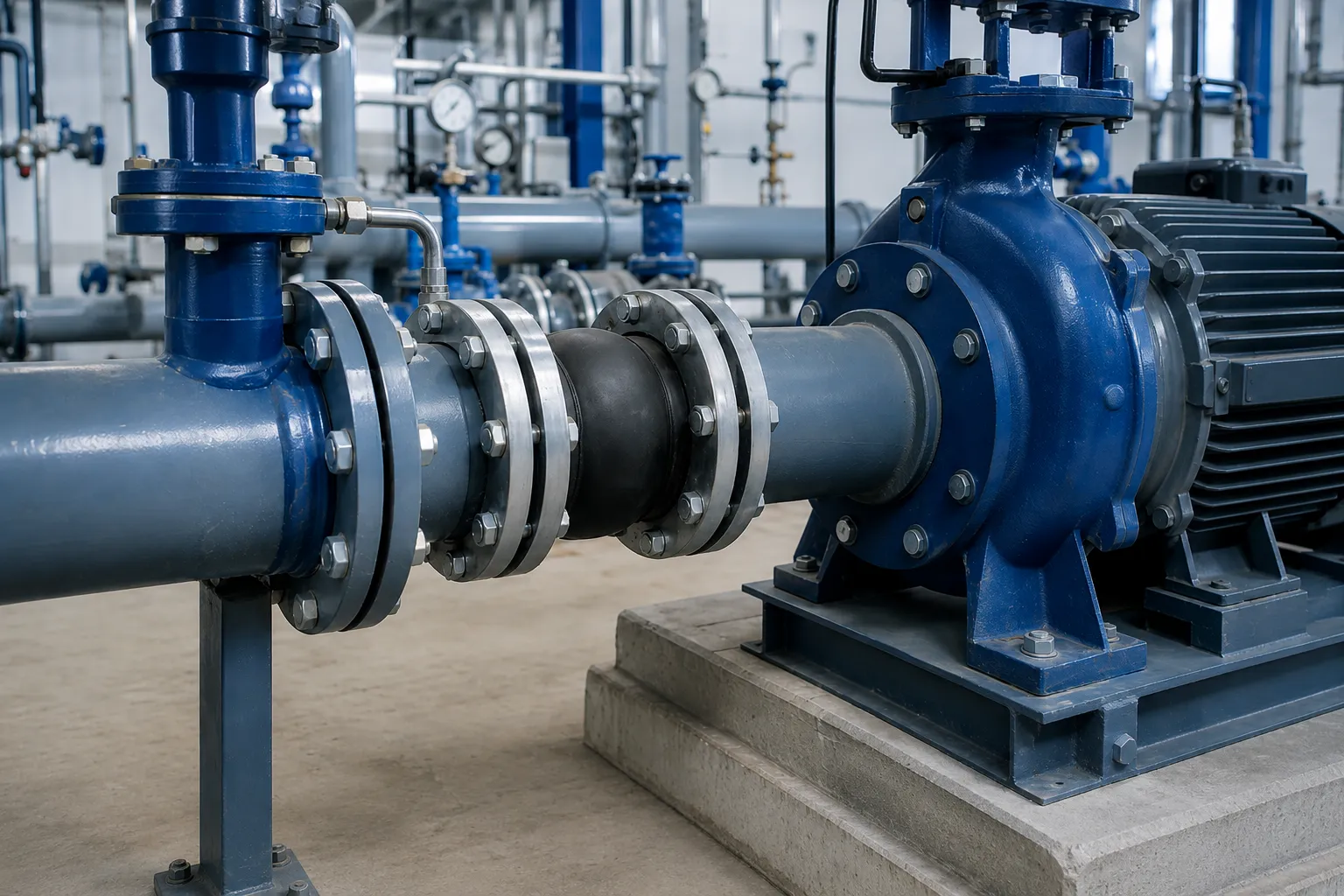
Joint en caoutchouc simple sphère pour pompes et conduites d’eau
2026-07-17 14:57:46
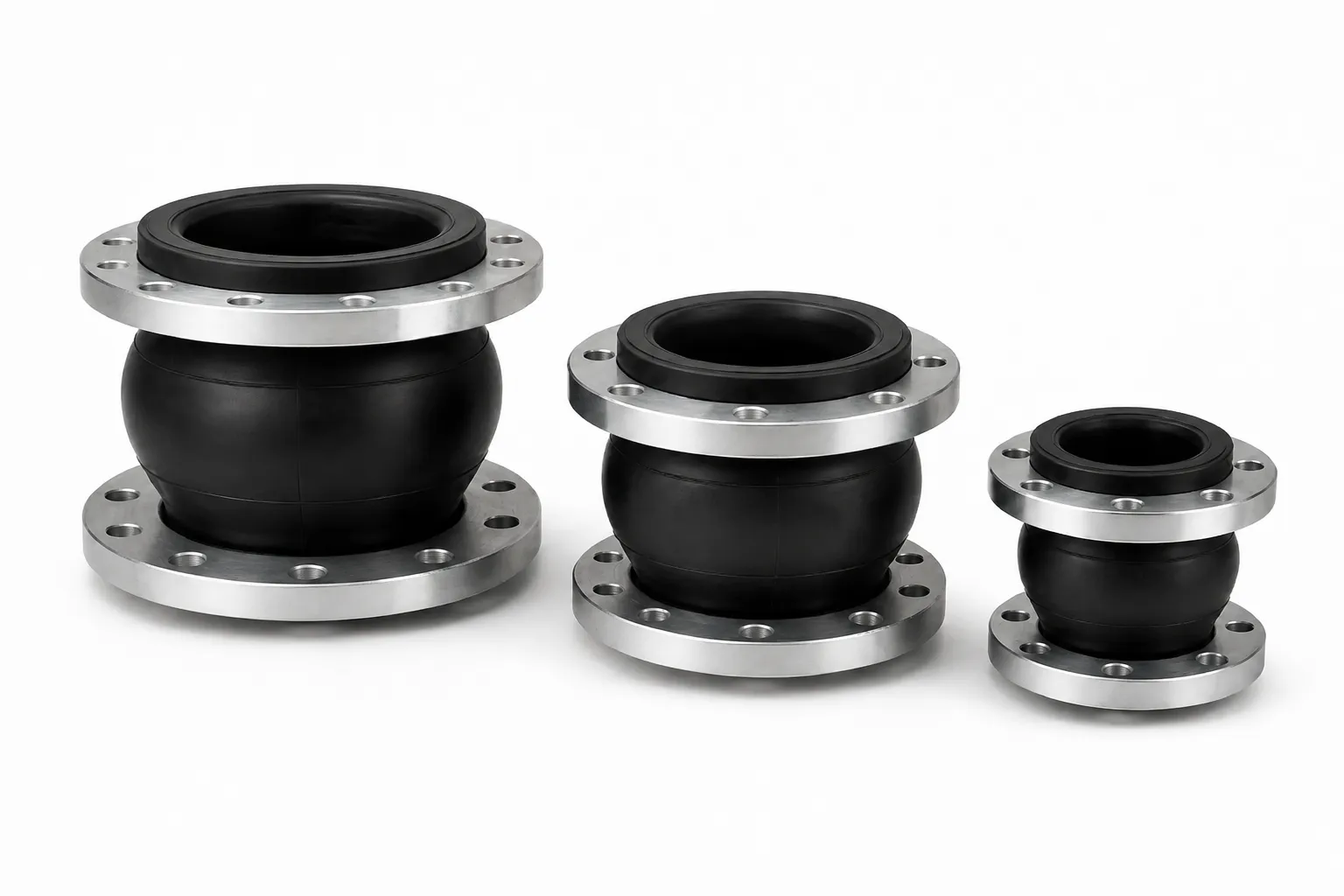
Qu’est-ce qu’un joint de dilatation en caoutchouc
2026-07-17 14:57:43
Plan de contenu d’actualités pour un site de raccords
2026-07-17 14:57:41
关联内容
Guides d'application
Rubber Expansion Joints for Pump Suction Lines: Vacuum Risks and Installation Checks
A pump suction line can drop below atmospheric pressure during startup, low water level or flow fluc ...
Guides de sélection produits
Guide visuel de sélection des raccords de tuyauterie
Guide visuel de sélection des raccords de tuyauterie Guide pour acheteurs B2B Cet article aide les a ...
Guides d'application
Joint en caoutchouc simple sphère pour pompes et conduites d’eau
Joint en caoutchouc simple sphère pour pompes et conduites d’eau Guide pour acheteurs B2B Cet articl ...
Guides de sélection produits
Qu’est-ce qu’un joint de dilatation en caoutchouc
Qu’est ce qu’un joint de dilatation en caoutchouc Guide pour acheteurs B2B Cet article aide les ache ...
常见问题
?Are rubber expansion joints required at both the suction and discharge sides of a pump?
Not necessarily. The need for rubber expansion joints and their installation positions should be determined according to the pump type, piping layout, vibration level, suction conditions, pipe supports and project specifications. Rubber joints provide flexibility and vibration isolation but do not replace proper pipe supports or anchors.
?What is the difference between a dismantling joint and a limit expansion joint in a pump station?
A dismantling joint is mainly used for installation adjustment, valve or equipment removal and axial force transmission. A limit expansion joint provides controlled axial movement and restricts excessive displacement. The correct product depends on the installation position, pipeline thrust, maintenance requirements and connection type.
?Can a rubber expansion joint support pipe weight and absorb all axial thrust?
No. A rubber expansion joint should not be used as a load-bearing pipe support and should not be assumed to absorb all pipeline thrust. Independent supports, anchors and guides are required. Restraint rods or other anti-pullout measures may also be necessary where significant thrust, vacuum, water hammer or abnormal movement is expected.
?Why is the actual pipe outside diameter required for pump station rehabilitation projects?
Steel, ductile iron, PVC and other pipes with the same nominal diameter may have different actual outside diameters. Flange adaptors and steel flexible couplings seal directly around the pipe outside diameter, so nominal size alone may not be sufficient for correct product selection.
?Can pump station pipe connection products be customized according to project drawings?
Yes. Installation length, connection type, flange standard, body material, rubber material, coating, identification and packaging can be customized according to project requirements. Non-standard products should be confirmed against piping drawings, equipment interfaces and technical specifications before production.
?What information should be provided when requesting a quotation for pump station pipe fittings?
Please provide the application, nominal diameter, actual pipe outside diameter, operating medium, temperature, pressure, connection type, flange standard, installation length, movement requirements, pipe material, coating requirements, project drawings, quantity and destination port. Complete information helps ensure accurate selection and quotation.