 简体中文
简体中文  English
  日本語
日本語  한국어
한국어  Français
  Deutsch
  Español
  Português
  Русский
  العربية
  ไทย
ไทย  Tiếng Việt
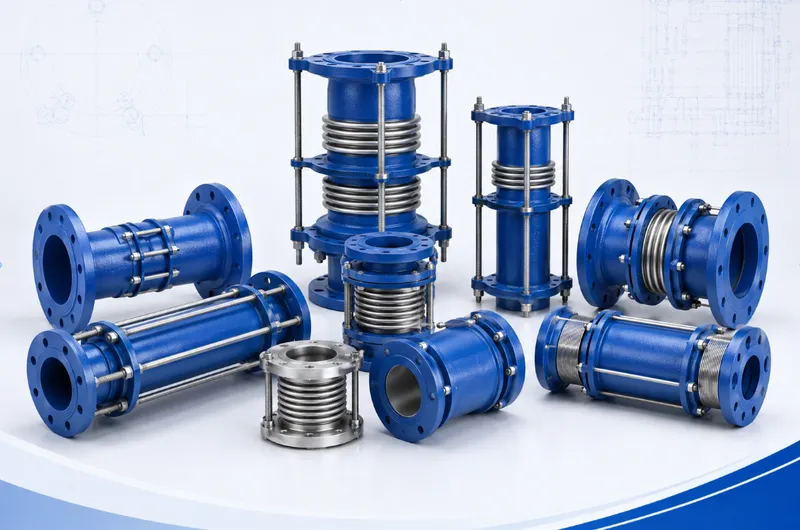
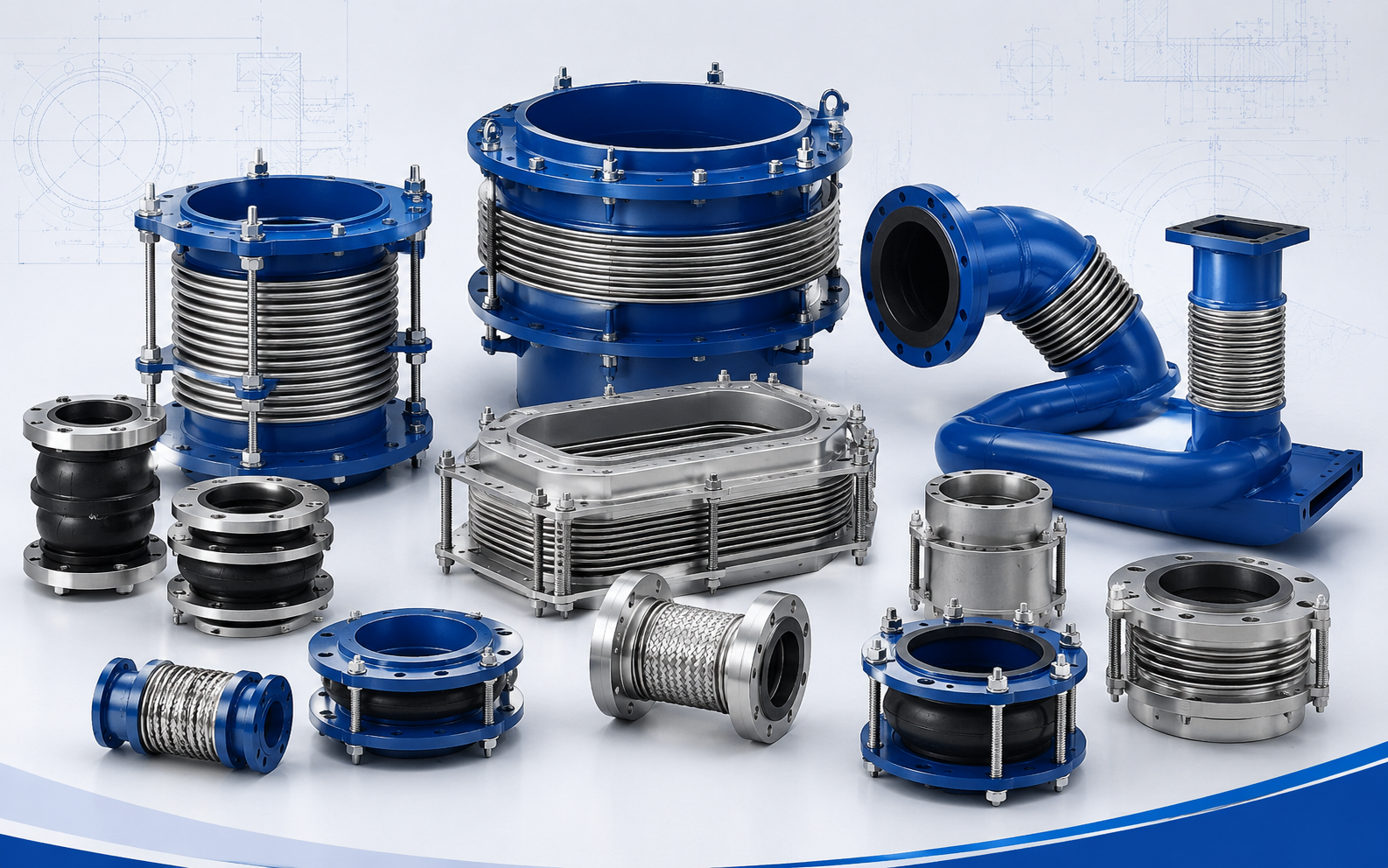

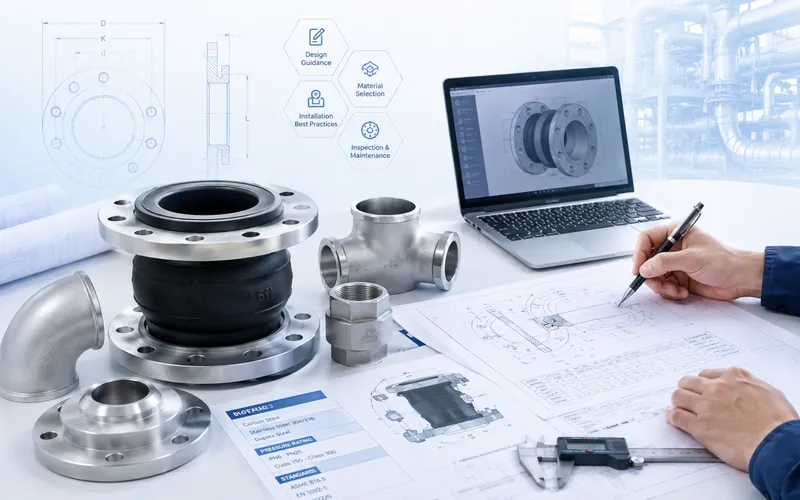

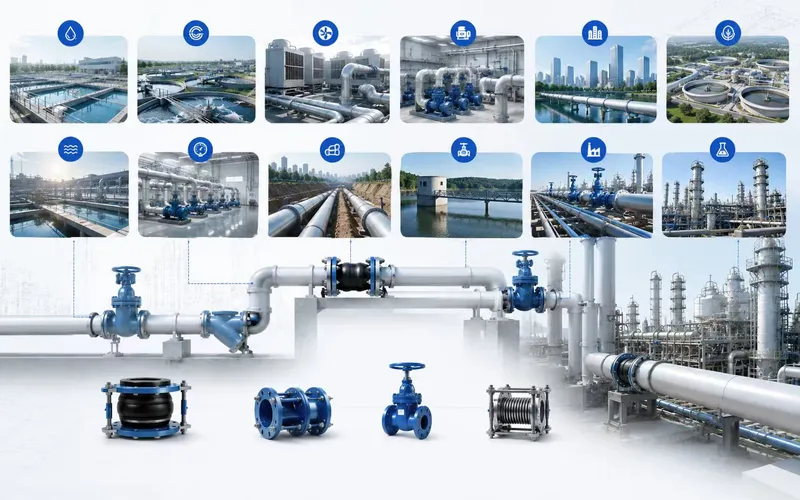
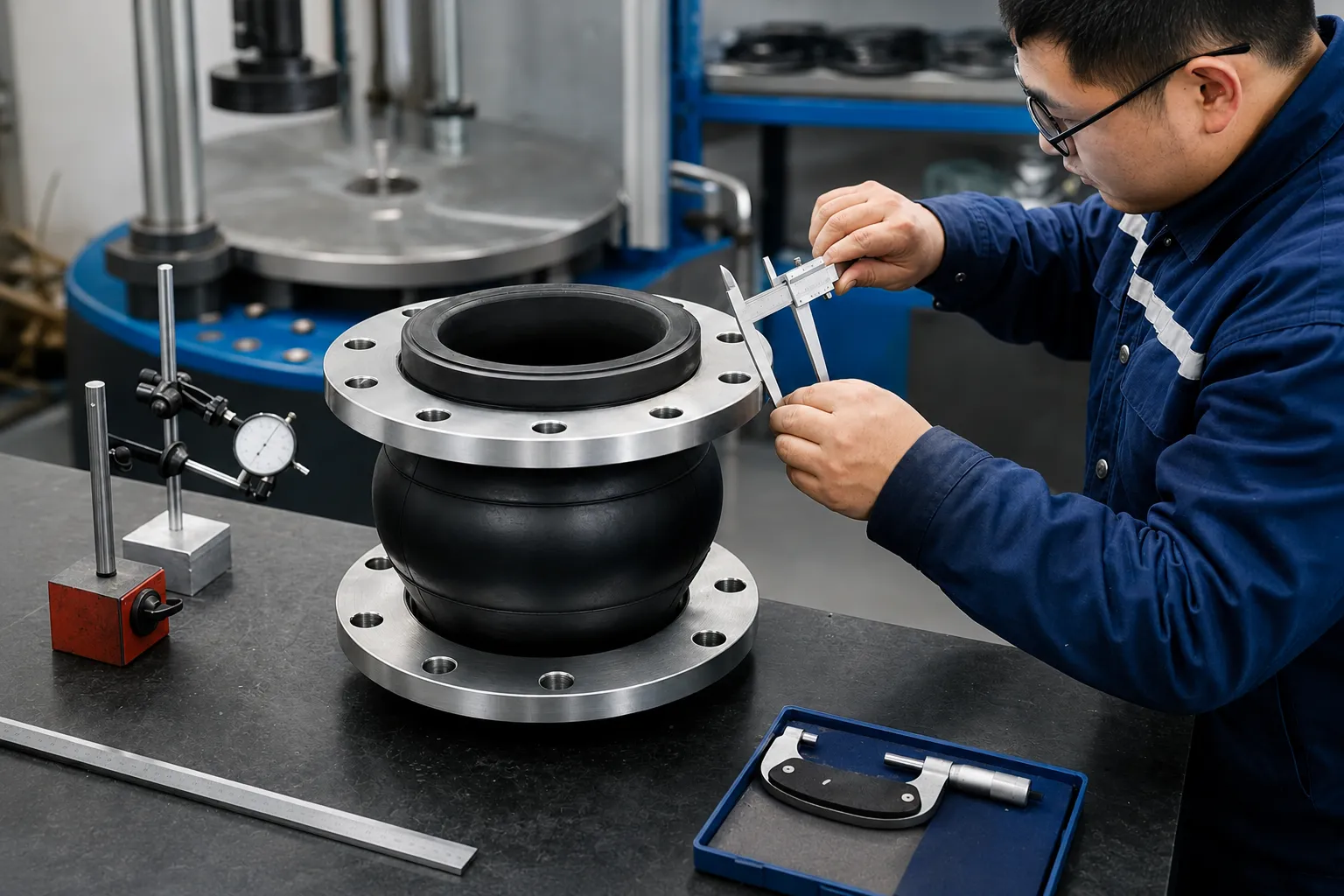
# Rubber Expansion Joint Quality Control Checklist
## Introduction
This article explains how B2B buyers can evaluate rubber expansion joint quality control for incoming material checking, production inspection, pressure testing and export packing review. It is written for engineering buyers, contractors, distributors, OEM/ODM customers and project purchasers who need practical selection information before sending an inquiry.
For industrial pipeline products, a good selection is not only about product name. Buyers should confirm pipe size, pressure rating, connection standard, material, working medium, temperature, installation position and maintenance requirements. When these details are clear, the supplier can recommend a more suitable product configuration and prepare a faster quotation.
## Typical Buyer Problem
In real projects, pipeline products are often selected under time pressure. A buyer may have a drawing, a bill of quantity, an old product photo or only a short project description. If the RFQ does not include enough information, quotation may be delayed or the recommended product may not match the site condition.
For incoming material checking, production inspection, pressure testing and export packing review, common concerns include vibration, installation tolerance, flange matching, valve maintenance, medium compatibility, export packing and project delivery schedule. The purpose of this guide is to make the selection process clearer before order confirmation.
## Recommended Product Scope
For this topic, the commonly discussed product scope includes rubber expansion joints, flanges, rubber bodies, bolts and packing materials. The final configuration should be confirmed according to the actual pipeline system and project specifications.
| Selection Item | What to Confirm | Why It Matters |
|---|---|---|
| Size / DN | Nominal diameter or pipe outside diameter | Confirms product model and connection size |
| Pressure rating | PN, Class or project pressure | Helps select suitable structure and flange rating |
| Connection standard | EN, DIN, ANSI, JIS or custom drilling | Avoids flange mismatch during installation |
| Material | Rubber, carbon steel, stainless steel or coating | Matches medium, temperature and environment |
| Working medium | Water, wastewater, air, oil-related medium or chemical service | Guides material selection |
| Installation position | Near pump, valve, wall sleeve, straight pipe or repair section | Affects structure and accessories |
| Quantity and destination | Order quantity and port/country | Supports quotation and export packing plan |
## How to Select the Right Configuration
Start from the pipeline function. If the product is installed near a pump, vibration absorption and equipment protection may be important. If it is installed around a valve, maintenance clearance and easy dismantling may be more important. If it is used in a repair section, pipe outside diameter and sealing range must be checked carefully.
Next, confirm the connection standard. Many quotation problems come from incomplete flange information. If the buyer can provide a drawing, flange standard, bolt hole quantity, bolt circle diameter or old product photo, the supplier can reduce the risk of mismatch.
Material selection should be confirmed according to medium and temperature. For water and HVAC systems, EPDM rubber is commonly discussed for rubber expansion joints. For oil-related service, NBR may be considered. For special chemical media, seawater or high-temperature conditions, final material confirmation should be made before production.
## RFQ Information Required
To get a faster and more accurate quotation, send the following details:
- Product name or application position
- Size / DN or pipe outside diameter
- Pressure rating
- Flange or connection standard
- Material requirement
- Working medium and temperature
- Quantity
- Drawing, photo, old product label or technical specification
- Destination port or delivery country
## Installation and Maintenance Notes
Installation should follow project drawings and site requirements. Do not use flexible components to correct serious pipe misalignment. Pipeline supports, anchors, guides and bolts should be checked before commissioning. For products installed near pumps or valves, maintenance space should be considered during layout design.
For rubber products, avoid sharp edges, welding sparks, excessive stretching and long-term exposure to unsuitable media. For metallic pipe fittings, coating, corrosion environment and bolt tightening should be checked according to the project requirements.
## OEM and ODM Customization
Custom size, flange drilling, face-to-face length, coating, rubber material, label, packing and documentation can be discussed according to drawings or project requirements. For private label or repeated purchasing, the buyer should confirm technical drawings, inspection requirements and packing method before batch production.
## Quality Control and Export Packing
Before shipment, common checks may include appearance inspection, dimension checking, flange verification, material confirmation and packing review. Testing requirements should be confirmed before production, especially for pressure-related products or project-specific documentation.
Export packing should protect the product during handling and sea transport. Wooden cases, pallets, protective wrapping and clear labels can be selected according to product size, weight and order requirements.
## FAQ
### What information is most important for quotation?
Size, pressure rating, connection standard, material, medium, temperature and quantity are the key details. A drawing or photo can make confirmation much faster.
### Can the product be customized?
Yes. Custom flange drilling, length, material, coating, label and packing can be discussed according to drawings and project requirements.
### Can you recommend a product if I only have a project description?
Yes, but final selection should be confirmed with project drawings, working conditions and installation details before order.
### Should I choose based only on price?
No. For pipeline fittings, wrong size, material or connection standard can create installation problems. Selection should balance cost, working condition and installation reliability.
## Conclusion
Choosing rubber expansion joint quality control should be based on the full pipeline condition, not only a product name. Provide clear RFQ details and drawings when available, and confirm material, pressure, connection standard and installation position before order.
## CTA
Need help selecting pipe fittings for your project? Send us your size, pressure rating, flange standard, material, medium, quantity and drawings. Our team will help confirm a suitable product configuration and prepare a project-based quotation.
Quality Control
Rubber Expansion Joint Quality Control Checklist: From Raw Materials to Final Inspection
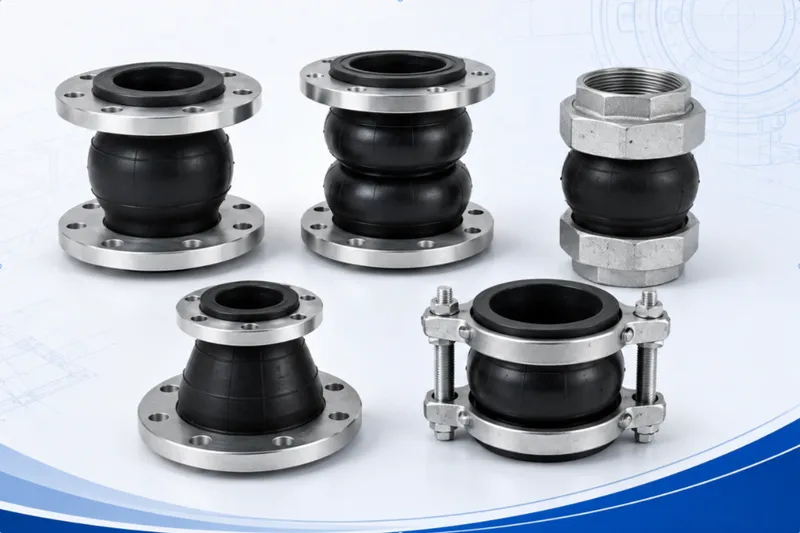
Rubber expansion joint quality cannot be judged by appearance alone. Elastomer compounds, reinforcement layers, flange dimensions, forming and curing, sealing surfaces, pressure or vacuum suitability, traceability and packaging all affect the delivered product. This checklist outlines the main manufacturing and pre-shipment quality-control points for single sphere, double sphere, threaded and grooved rubber expansion joints.
Recent Posts
Rubber Expansion Joints for Pump Suction Lines: Vacuum Risks and Installation Checks
2026-07-31 17:27:34
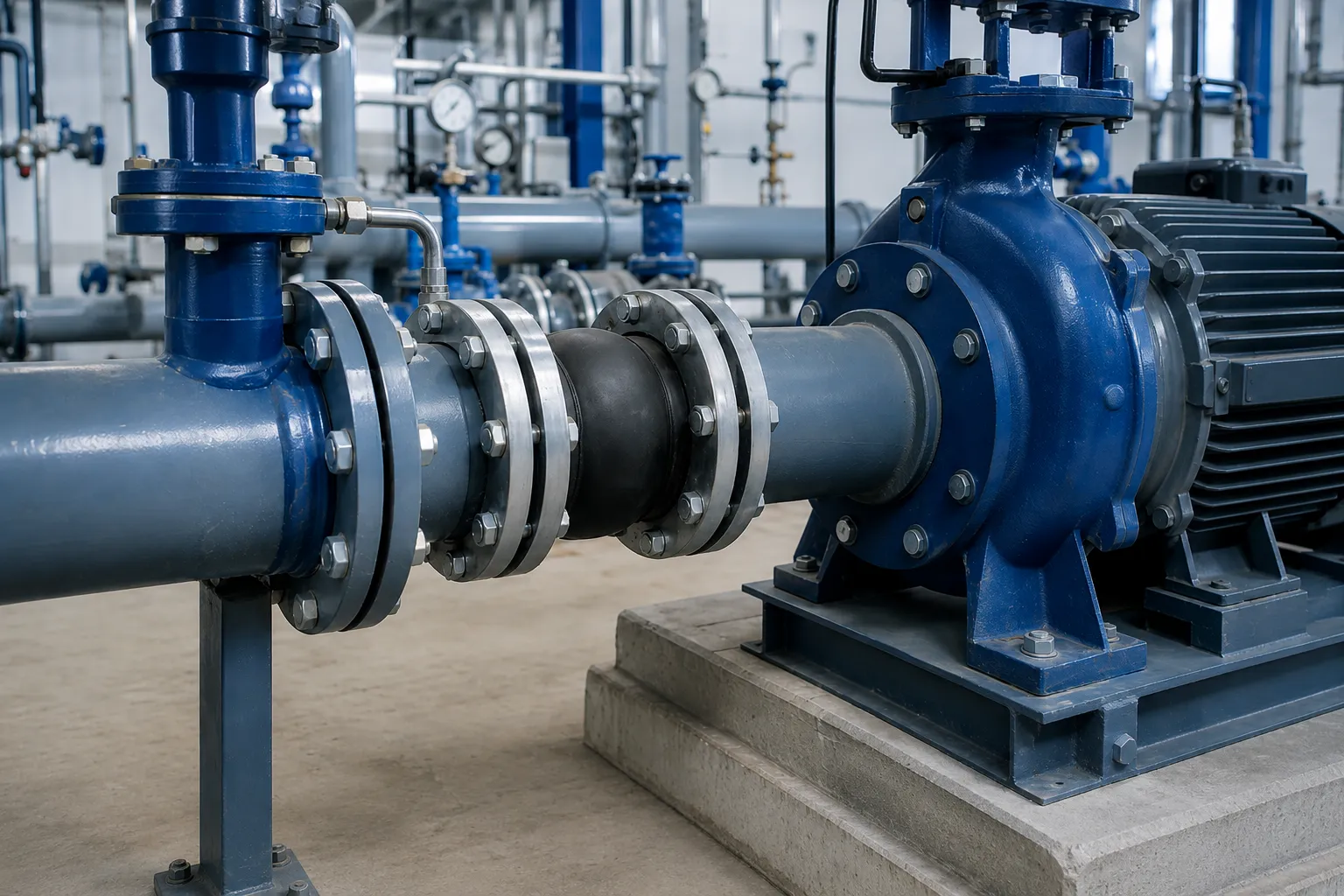
Single Sphere Rubber Expansion Joints for Pump Stations and Water Pipelines
2026-07-15 19:04:41
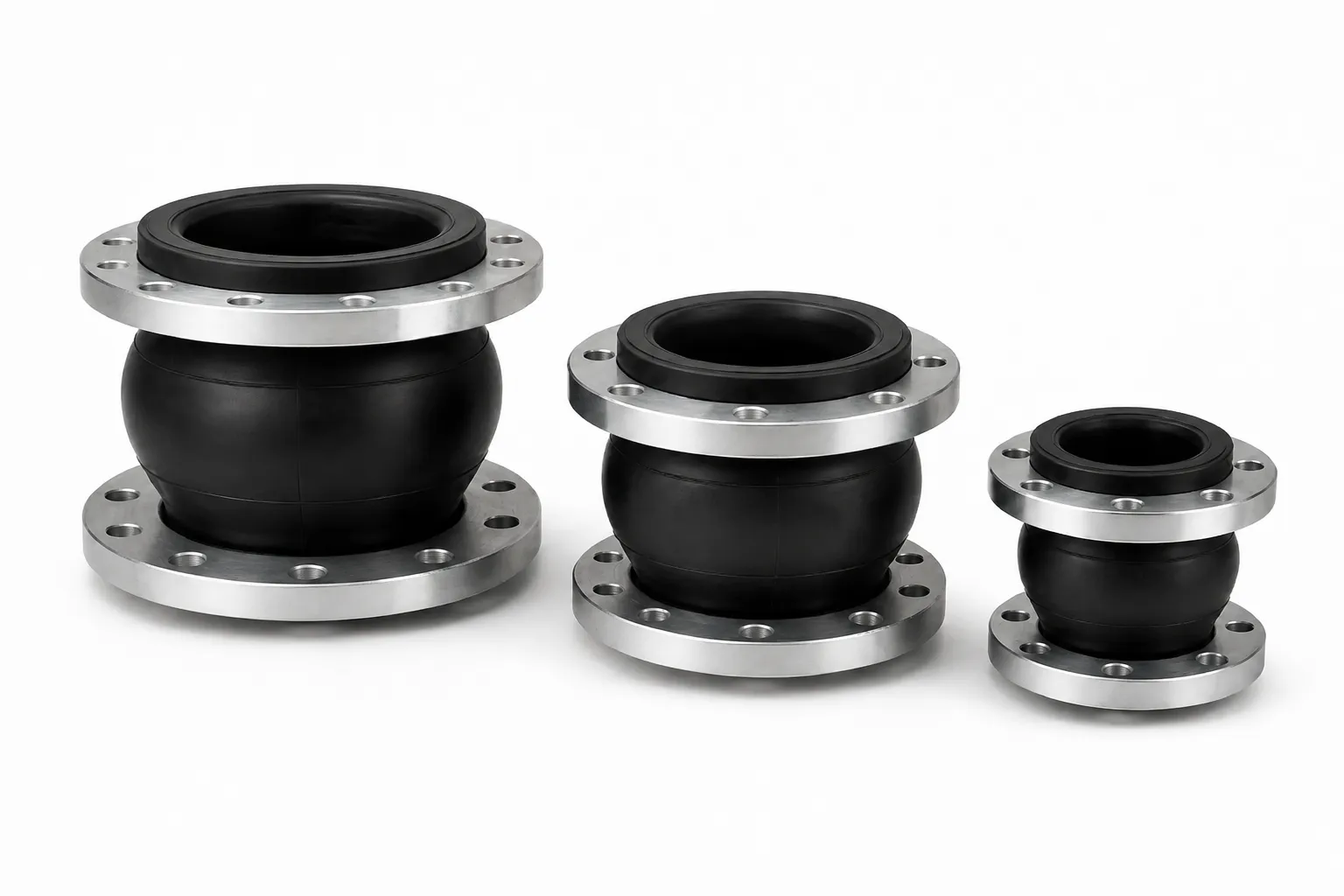
What Is a Rubber Expansion Joint? Structure, Types, Selection and Installation
2026-07-15 19:04:40
CNPIPEPARTS Product Resource Center Update: Clearer Selection for Pipeline Connections
2026-07-15 19:04:39
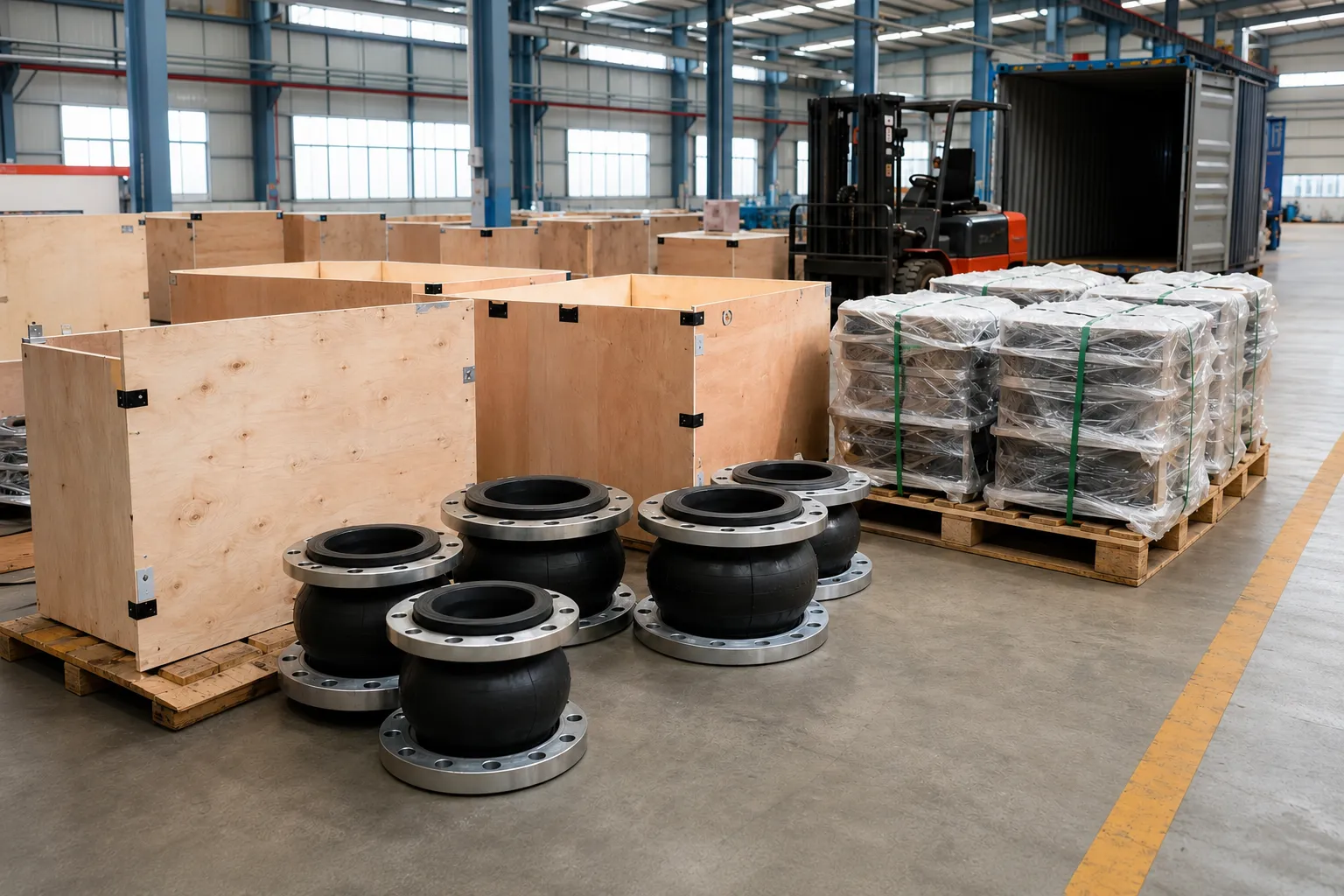
How to Send an Effective RFQ for Pipeline Fittings from China
2026-07-15 19:04:38
Related Content
Application Guides
Rubber Expansion Joints for Pump Suction Lines: Vacuum Risks and Installation Checks
A pump suction line can drop below atmospheric pressure during startup, low water level or flow fluc ...
Application Guides
Single Sphere Rubber Expansion Joints for Pump Stations and Water Pipelines
Single sphere rubber expansion joints are widely considered for pump connections, water transmission ...
Product Guides
What Is a Rubber Expansion Joint? Structure, Types, Selection and Installation
A rubber expansion joint is a flexible connector installed between pipes, pumps, valves and equipmen ...
Company News
CNPIPEPARTS Product Resource Center Update: Clearer Selection for Pipeline Connections
CNPIPEPARTS is continuously improving its product classifications, technical explanations, applicati ...
FAQ
?Does every rubber expansion joint require hydrostatic testing?
Not necessarily. Whether testing is performed on every unit, by batch sampling or under another agreed method depends on the product specification, purchase contract and approved inspection plan.
?Which dimensions should be checked before shipment?
Typical checks include nominal size, bore, face-to-face length, flange outside diameter, flange thickness, bolt-circle diameter, number and diameter of bolt holes, sealing surface and connection alignment.
?Is visual inspection enough to confirm product quality?
No. Visual inspection identifies surface defects, but quality control should also cover raw materials, internal reinforcement, curing records, metallic components, dimensions, traceability and required testing.
?How can the specified elastomer compound be verified?
Verification should use controlled raw-material records, batch identification, production documentation and agreed material checks. Colour or surface appearance is not sufficient.
?When should third-party inspection be specified?
Third-party inspection, witness points and special testing should be stated during the RFQ or order stage because they may affect cost, production planning and delivery time.
?Which quality documents can be supplied with the shipment?
Depending on the order, the shipment may include approved drawings, dimensional records, visual inspection reports, test reports, material documents, product photographs, packing lists and third-party inspection reports.