简体中文
简体中文  English
  日本語
日本語  한국어
한국어  Français
  Deutsch
  Español
  Português
  Русский
  العربية
  ไทย
ไทย  Tiếng Việt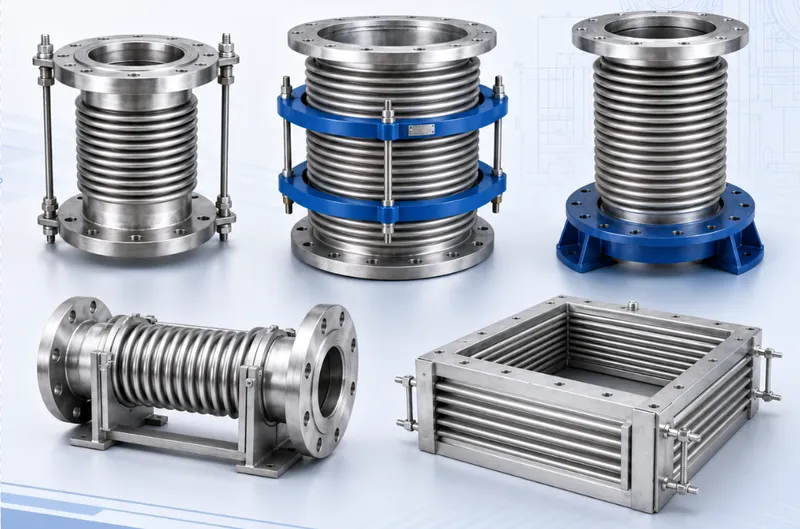
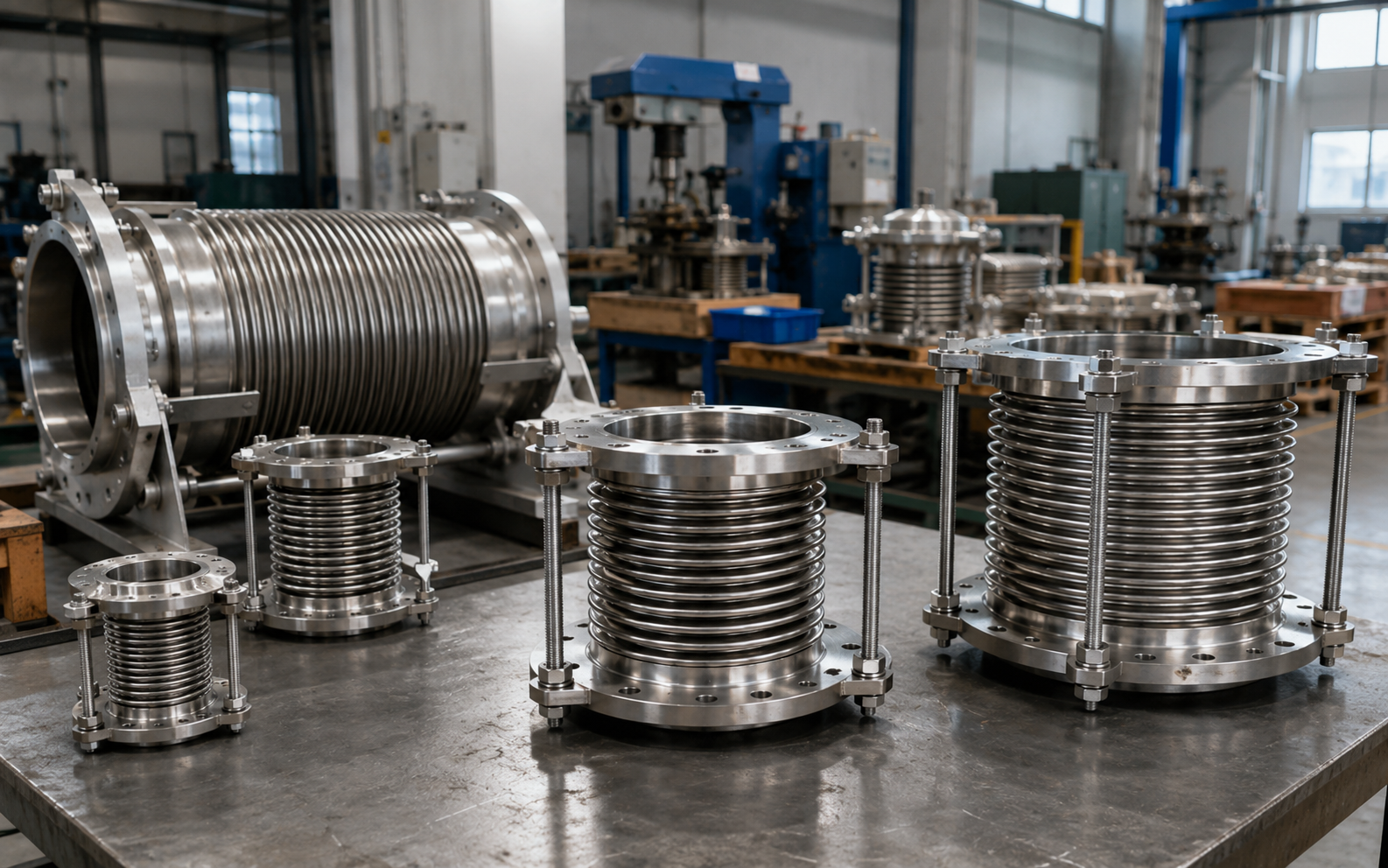
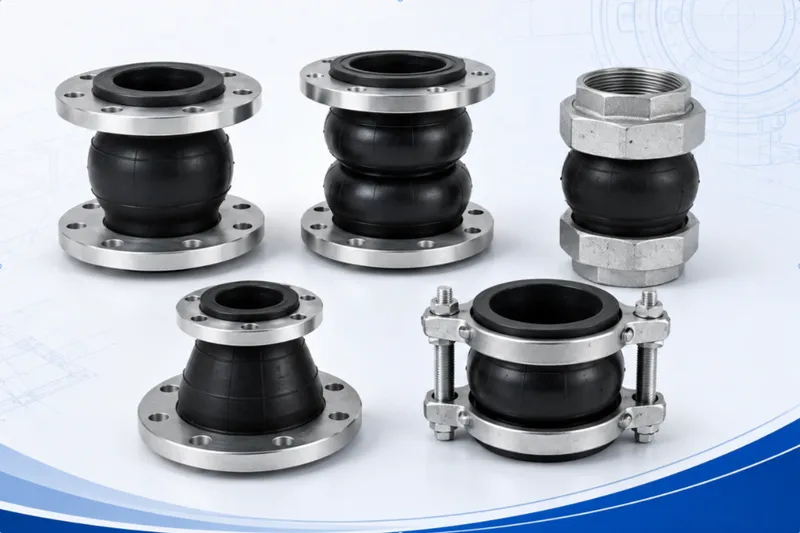
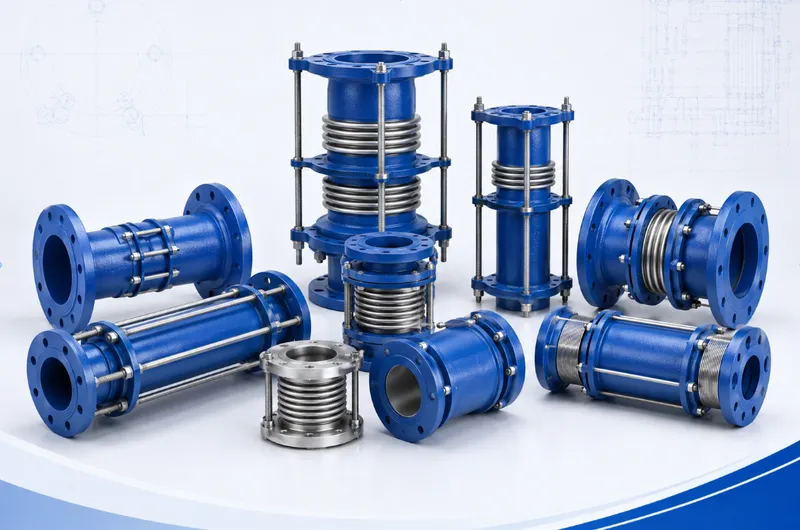
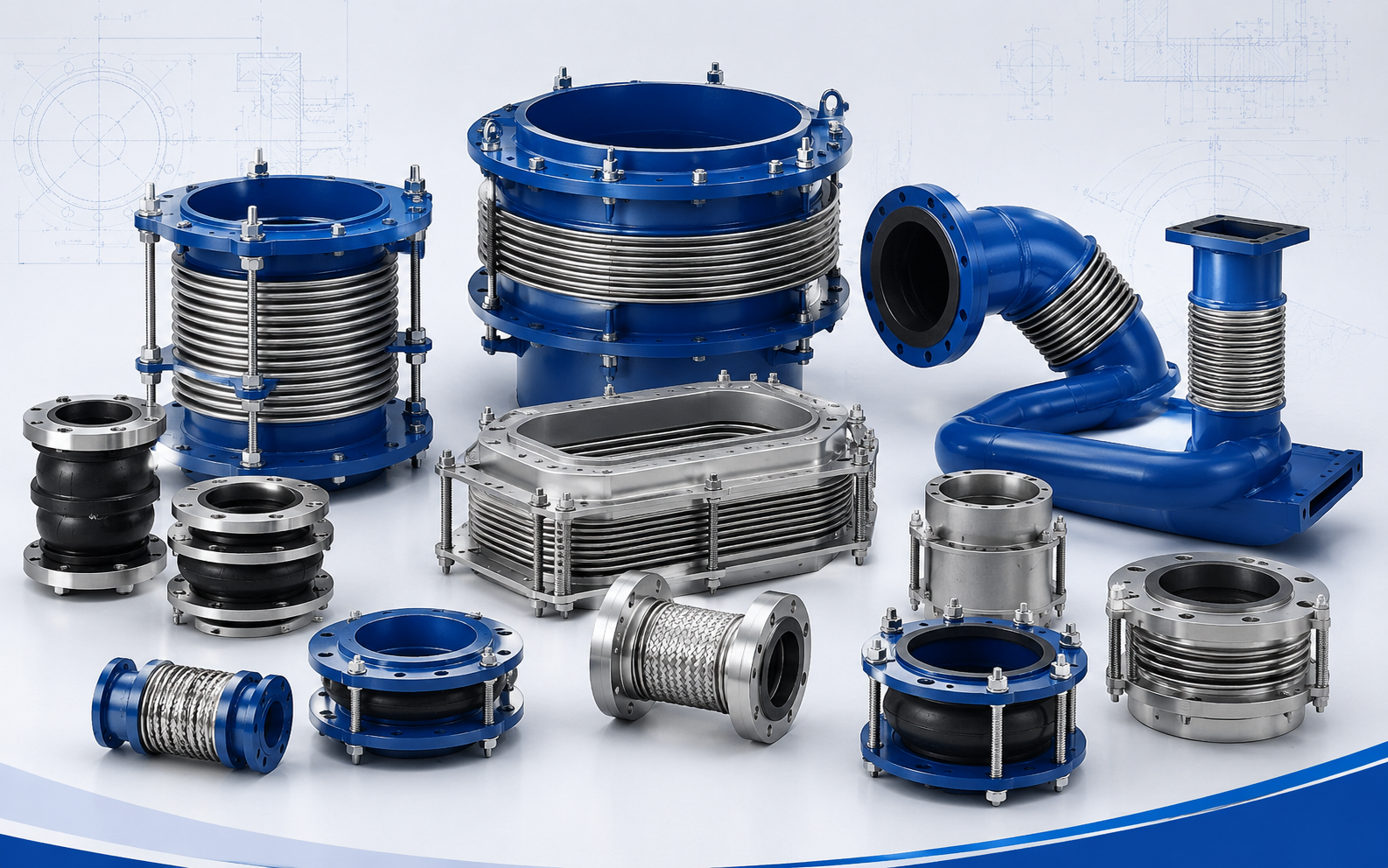

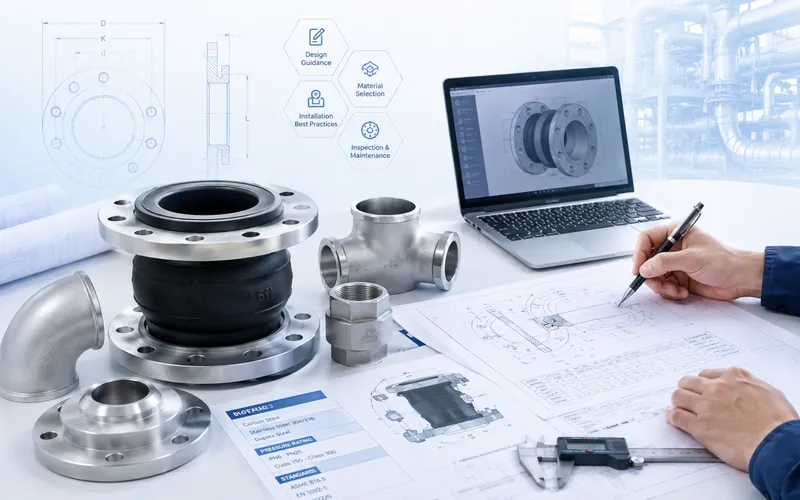

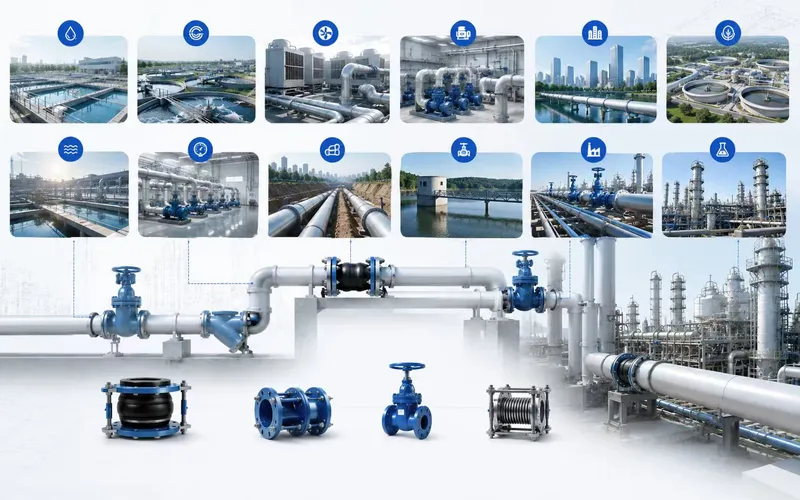
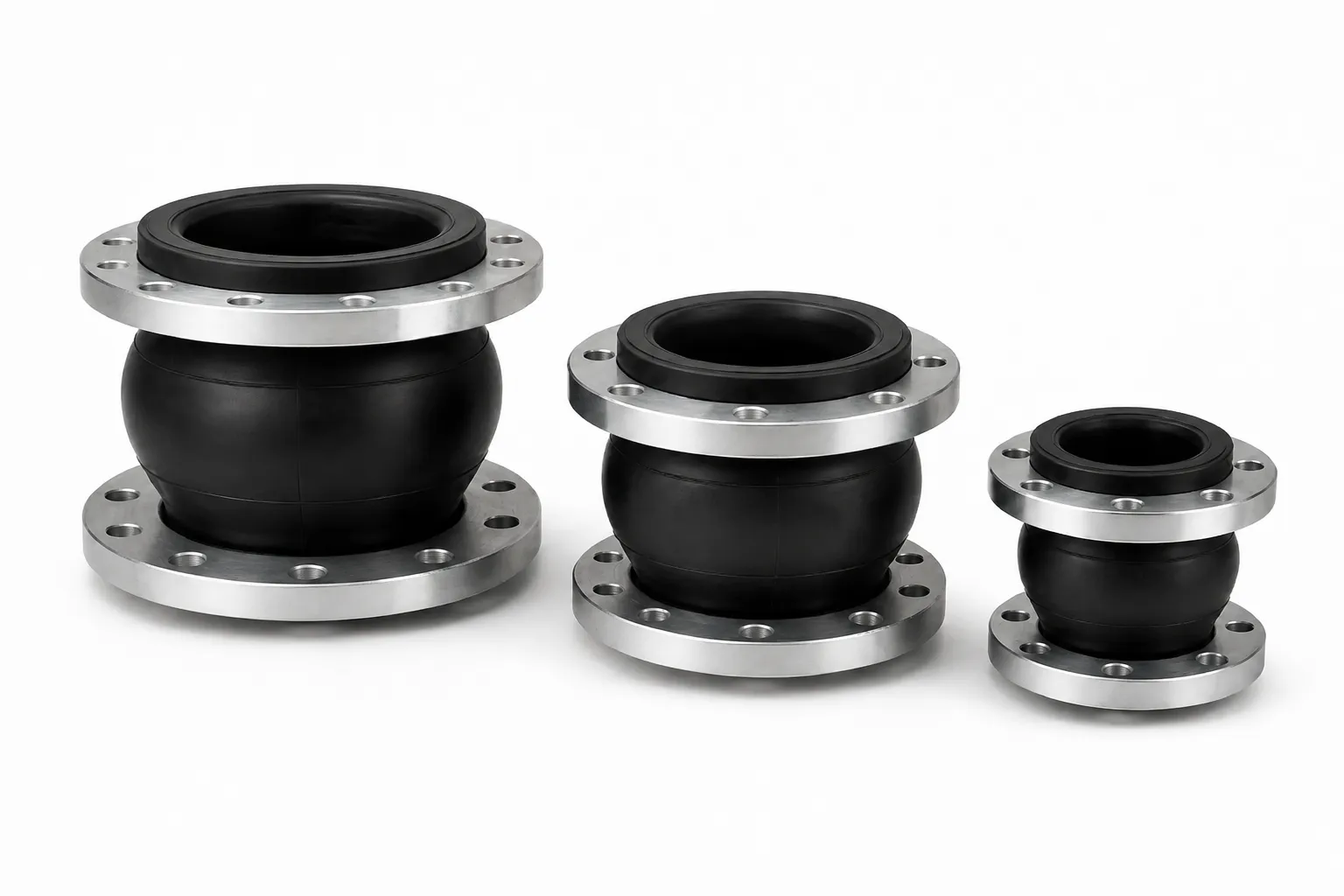
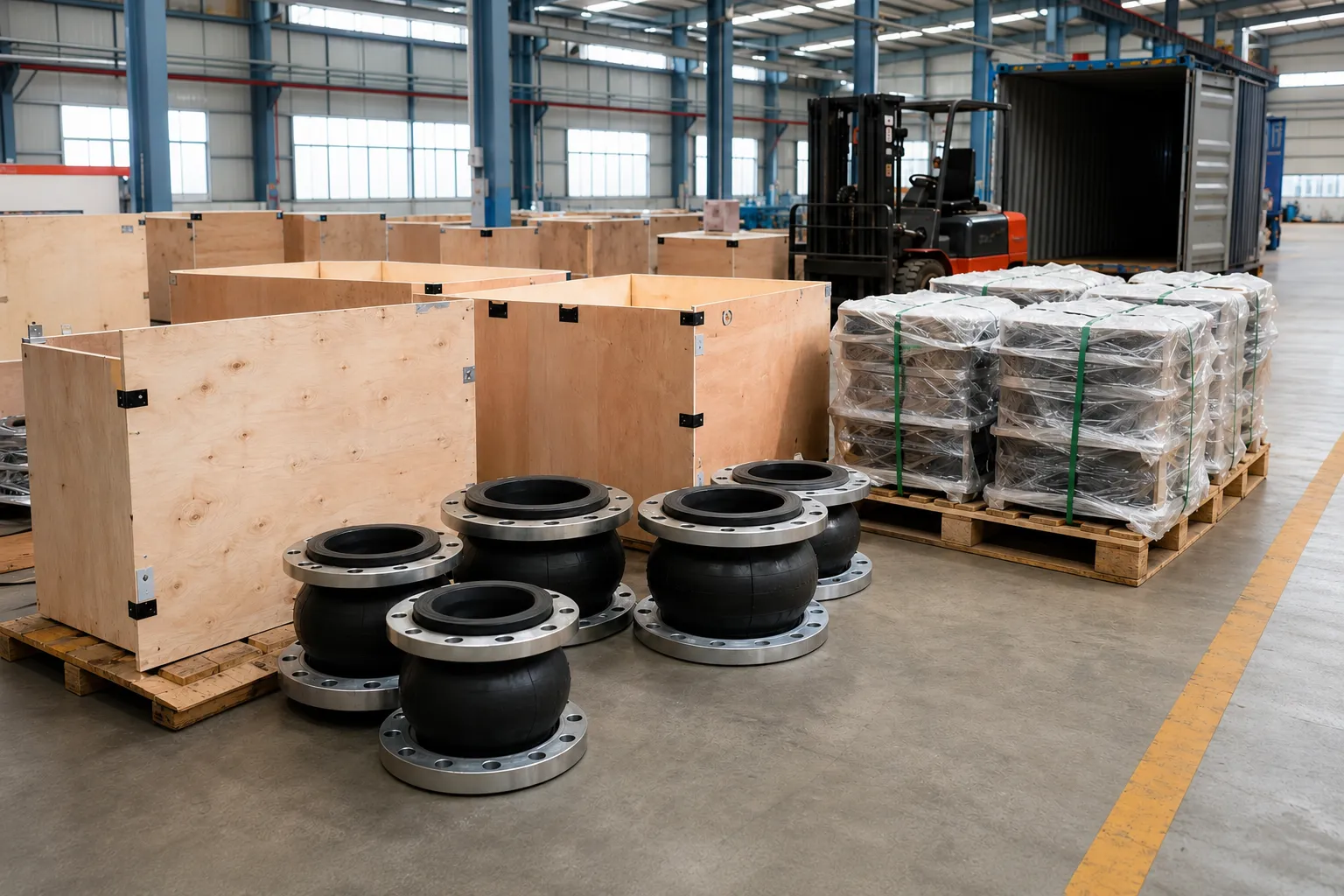
Single and double sphere rubber expansion joints are both used to provide flexibility between pumps, valves, equipment and connected piping.
The number of spheres is easy to see, but it is not the only selection factor. The correct design depends on required movement, available face-to-face length, pressure, vacuum, piping restraint and the actual installation position.
What Is the Structural Difference?
Single Sphere Construction
A single sphere joint contains one elastomeric arch between the connection ends. It normally provides a compact arrangement for pump and equipment piping.
Double Sphere Construction
A double sphere joint contains two connected elastomeric arches. The additional arch changes the overall length, flexibility and movement characteristics.
A double sphere design is not automatically stronger, safer or suitable for higher pressure. These characteristics depend on the complete product construction.
Single vs Double Sphere Comparison
| Selection Factor | Single Sphere | Double Sphere |
|---|---|---|
| Face-to-face length | Normally more compact | Normally requires more space |
| Movement profile | Suitable for the approved movement of the selected design | May provide greater or different movement capability |
| Installation | Useful in compact pump and equipment layouts | Requires review of length, support and stability |
| Pressure capability | Depends on size and construction | Also depends on size and construction |
| Vacuum capability | Must be specifically confirmed | Must also be specifically confirmed |
When a Single Sphere Joint Is Usually the Better Starting Point
Limited Installation Space
The shorter construction is often easier to fit into pump rooms, valve chambers and equipment skids.
Standard Pump and Equipment Connections
For routine vibration isolation and limited movement, a single sphere design is often evaluated first.
Movement Requirements Are Already Within the Product Rating
There is no benefit in adding another sphere where the selected single sphere joint already meets the required movement and service conditions.
Support and Alignment Need to Remain Simple
A compact connection can be easier to integrate, but it still requires properly aligned and independently supported piping.
When a Double Sphere Joint May Be Considered
The Required Movement Exceeds the Selected Single Sphere Design
A double sphere design may be compared where calculated movement cannot be accommodated by the available single sphere product.
Additional Face-to-Face Length Is Available
The piping layout must provide sufficient space for the longer joint, flange bolts, control rods and future inspection.
Anchors and Supports Are Clearly Defined
Additional flexibility should not be introduced into a piping system with uncertain pressure restraint or unsupported equipment.
The Joint Is Not Being Used to Correct Bad Alignment
A double sphere joint should not compensate for severely offset, twisted or non-parallel piping.
Does a Double Sphere Always Allow More Movement?
Double or multiple arch construction can be designed for greater total movement than a single arch, but the actual values remain specific to the manufacturer, size, pressure and product series.
Compare the Complete Datasheet
- Nominal size;
- Neutral face-to-face length;
- Axial compression and extension;
- Lateral movement;
- Angular movement;
- Combined movement limits;
- Operating pressure and temperature;
- Vacuum rating;
- Control-unit requirements.
Do Not Add Maximum Movements Together
Maximum axial, lateral and angular values are not necessarily available at the same time. Combined movement must be confirmed against the selected product data.
Pressure, Vacuum and Control Rods
Flange Rating Is Not the Complete Joint Rating
PN16, Class 150 or another flange designation does not independently define the pressure capability of the rubber body.
Suction Service Requires Vacuum Confirmation
A pump suction joint may operate below atmospheric pressure. Both single and double sphere designs require confirmation of inward-collapse resistance.
Discharge Service Requires Pressure-Thrust Review
Internal pressure acting across the flexible joint generates axial thrust. Inadequate anchors may allow either design to overextend.
Control Units Do Not Support Pipe Weight
Control rods limit excessive extension but do not replace anchors, guides or independent valve and pipe supports.
Elastomer Selection Is Independent of Sphere Count
Water and General Circulation Service
Water-compatible elastomers may be evaluated first, subject to temperature, treatment chemicals and project documentation.
Oil-Containing Media
NBR may be considered for selected mineral-oil services, but the oil type, additives and temperature must be provided.
Wastewater and Chemical Service
Specify the complete fluid composition, concentration, temperature and cleaning conditions.
Potable Water
A base elastomer name does not prove compliance with potable-water project requirements.
Installation Risks for Both Designs
- Install at the approved neutral face-to-face length;
- Do not stretch the joint to fill an excessive gap;
- Do not compress or twist it to align bolt holes;
- Support pumps, valves and piping independently;
- Confirm flange standard and facing;
- Review suction vacuum and discharge thrust;
- Maintain access for control rods and inspection;
- Depressurize the system before adjustment.
Quick Selection Guide
| Project Condition | Initial Direction |
|---|---|
| Compact equipment connection | Evaluate single sphere first |
| Single sphere movement is insufficient | Compare a double sphere or another engineered design |
| Limited face-to-face space | A double sphere may not fit |
| Pump suction vacuum | Select from verified vacuum performance |
| Uncertain anchors or pressure thrust | Resolve restraint before increasing flexibility |
| Severe pipe misalignment | Correct the piping before installing either joint |
RFQ Information Required for a Reliable Comparison
- Installation position and required function;
- Nominal size and available face-to-face length;
- Medium, composition and temperature;
- Operating, design and transient pressure;
- Minimum internal pressure or vacuum;
- Flange standard, rating and facing;
- Required axial, lateral and angular movement;
- Anchor, guide and support arrangement;
- Control-unit or vacuum-support requirements;
- Quantity, piping drawings and site photographs;
- Inspection, documentation and packing requirements.
Final Selection Recommendation
A single sphere joint is normally the first design to evaluate for compact pump and equipment connections.
A double sphere joint may be considered where the selected single sphere design cannot meet a confirmed movement requirement and the piping layout provides sufficient space, restraint and support.
Final construction, materials, pressure, vacuum capability, movement and restraint must follow the approved drawing, datasheet, quotation, purchase order or contract.