简体中文
简体中文  English
  日本語
日本語  한국어
한국어  Français
  Deutsch
  Español
  Português
  Русский
  العربية
  ไทย
ไทย  Tiếng Việt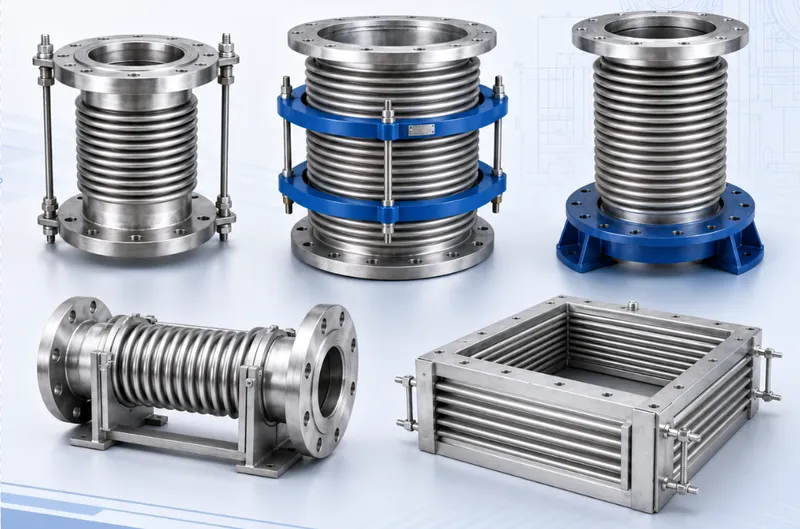
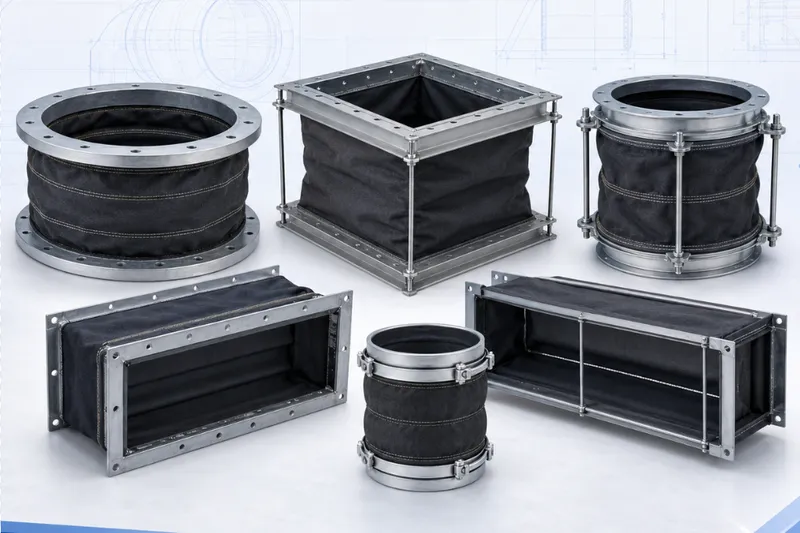
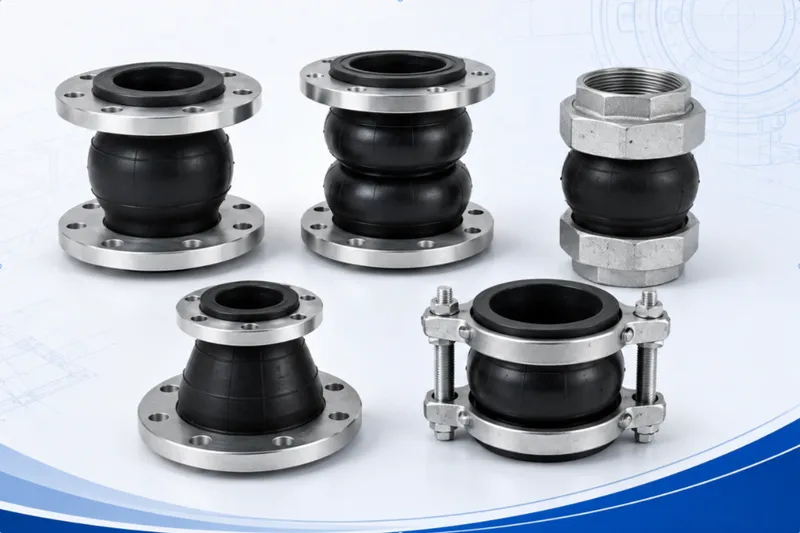
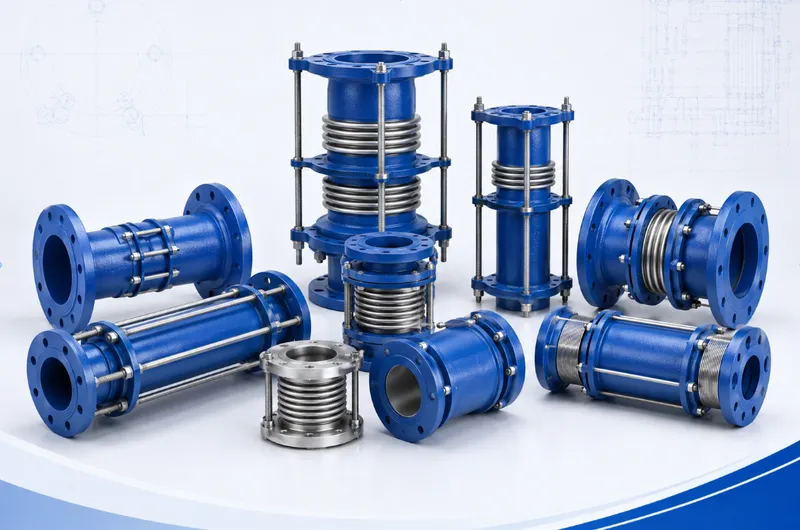
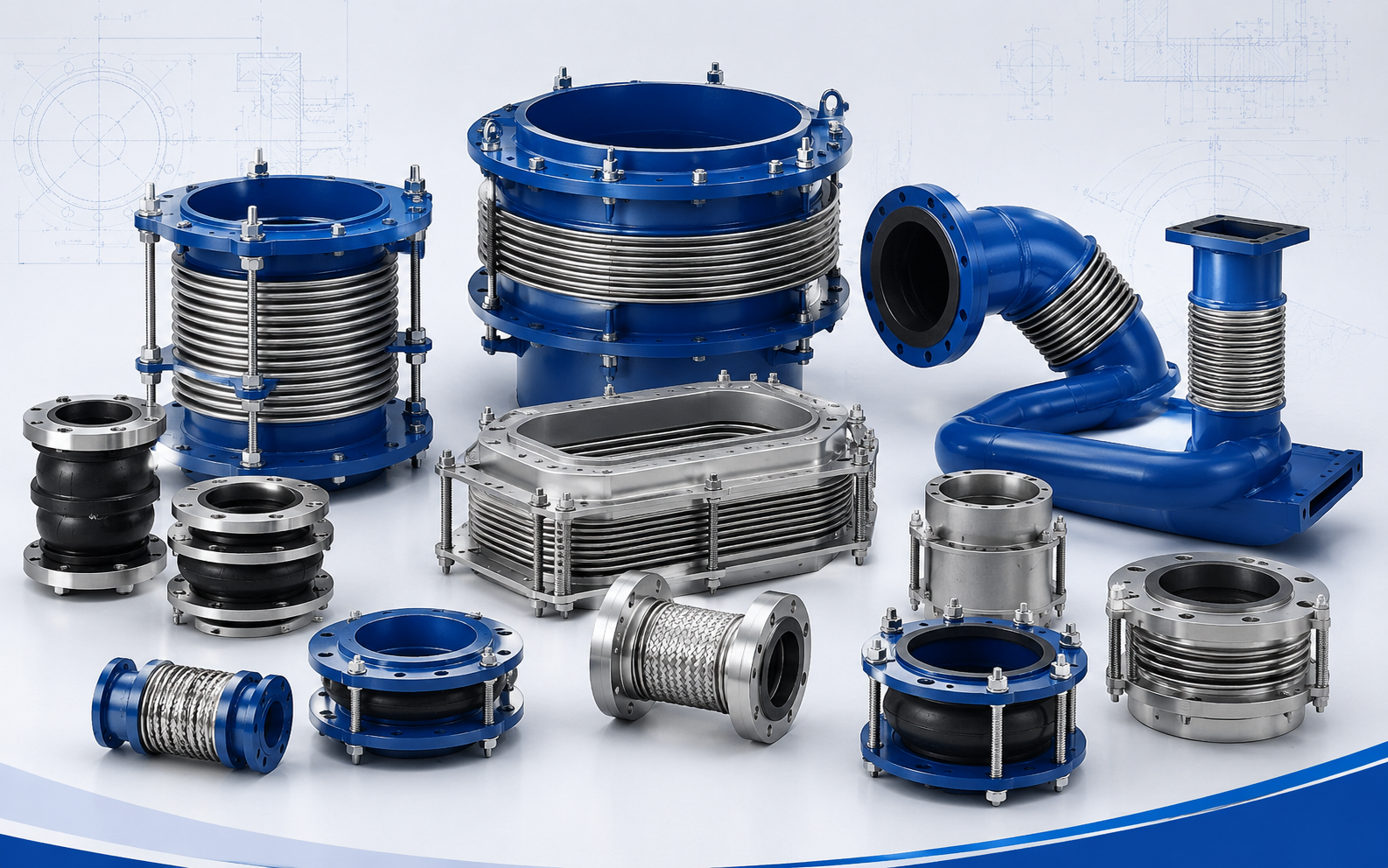

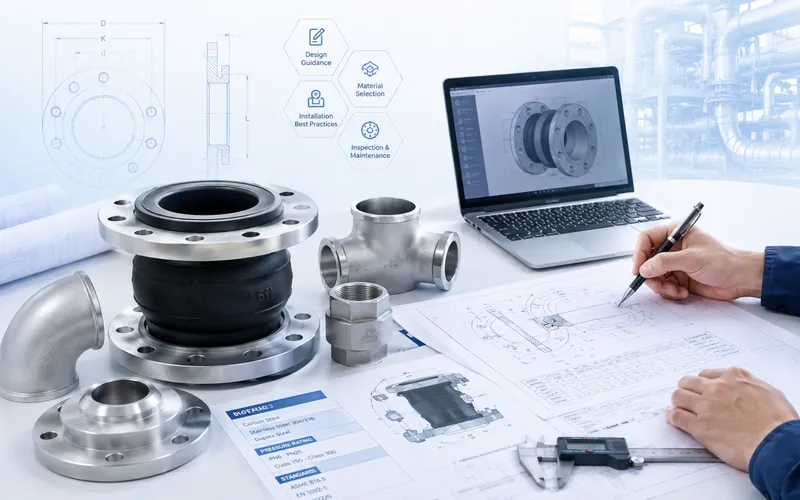

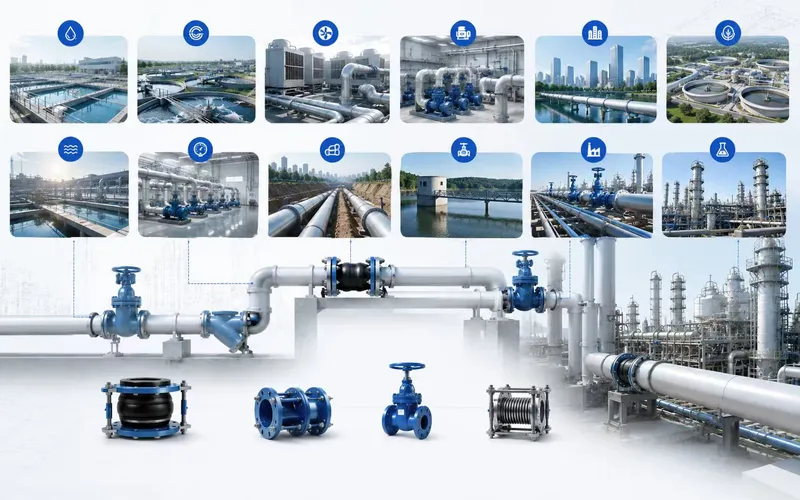
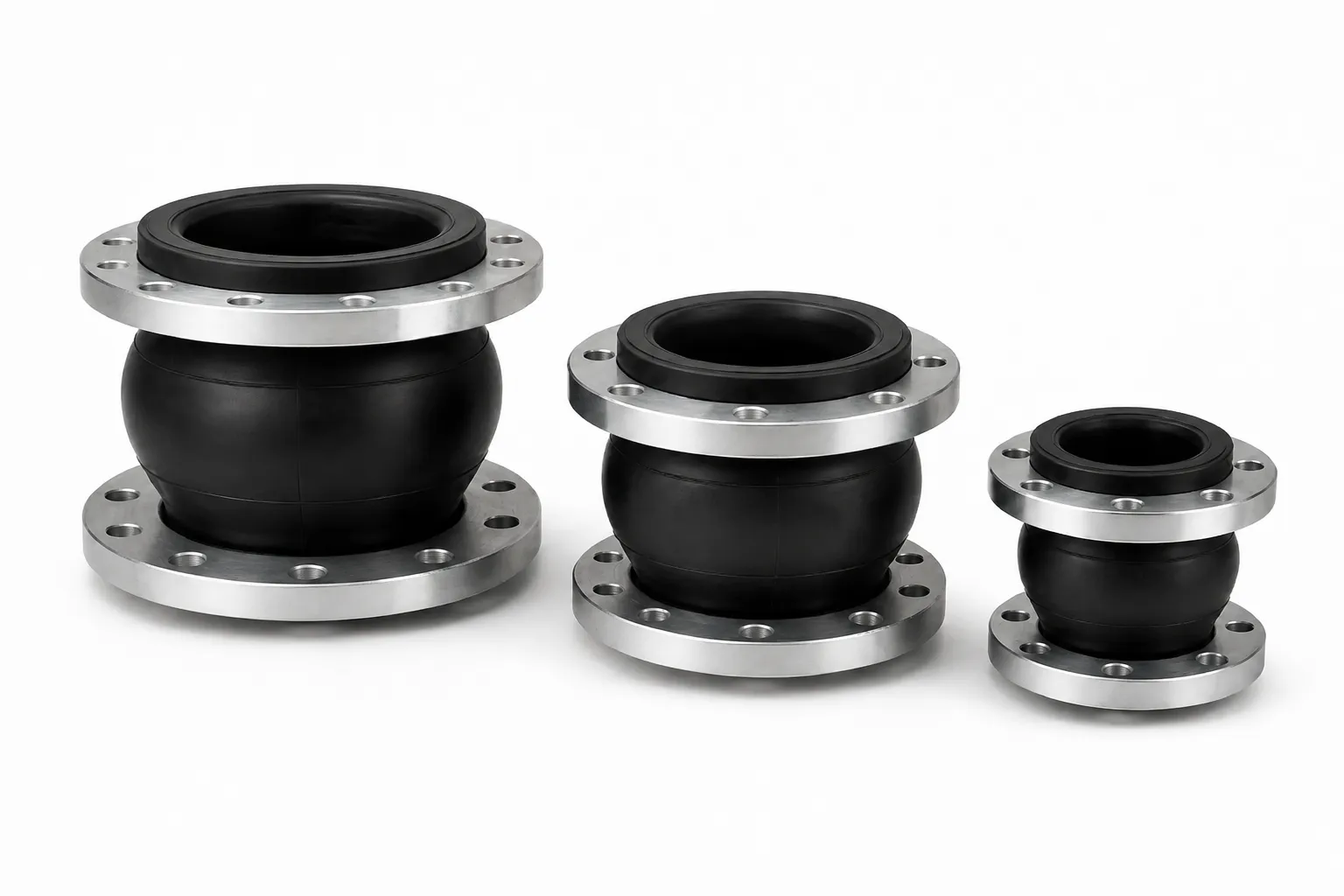
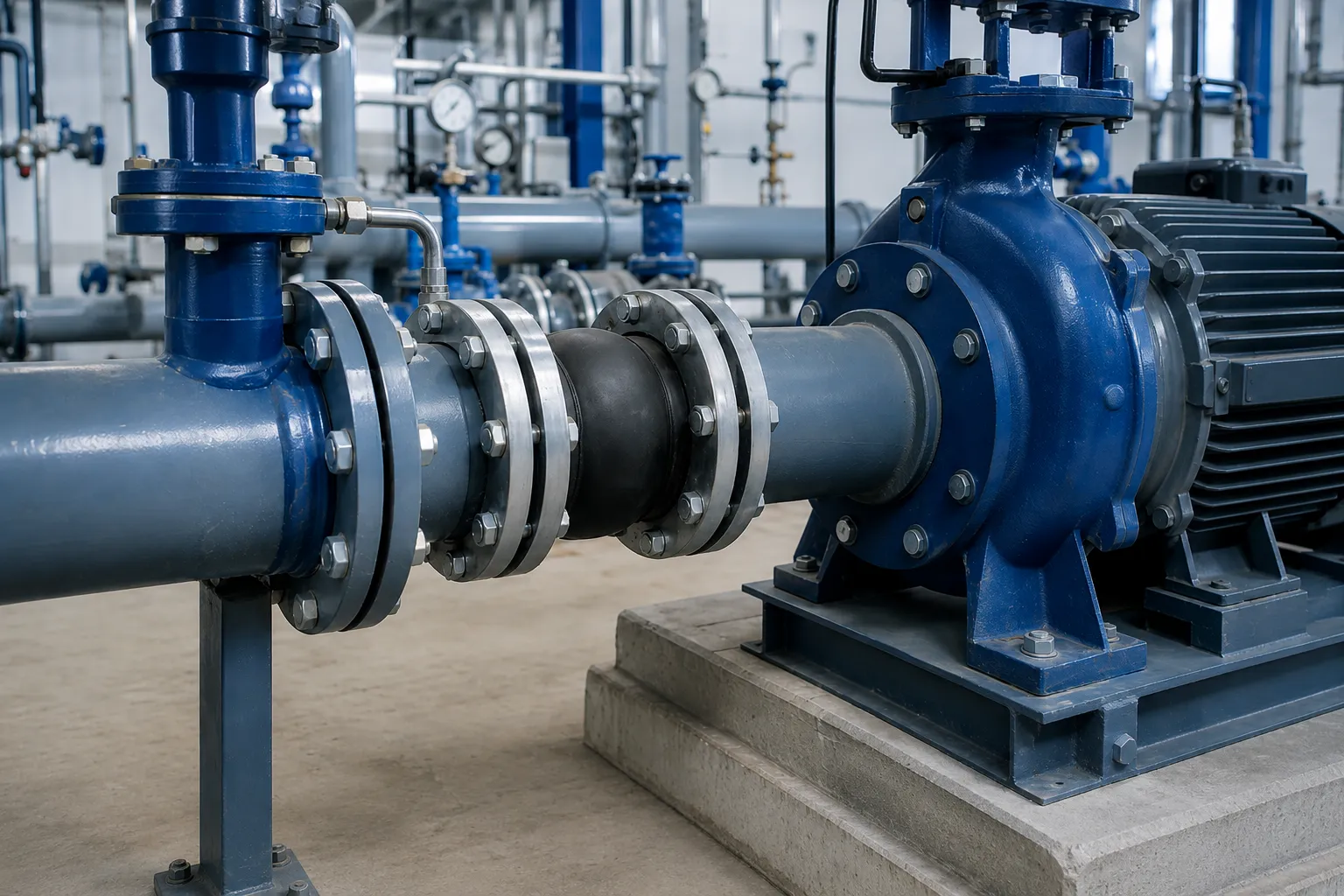
An industrial rubber expansion joint is a flexible rubber connector used in pump stations, utility pipelines, HVAC systems, water treatment plants, and general equipment connections. International buyers often search for a “rubber expansion joint,” “rubber joint,” or “flexible rubber connector,” but the correct product cannot be selected by name or nominal size alone.
This guide is written for distributors, EPC contractors, MEP contractors, pump and valve suppliers, water-treatment companies, and project procurement teams. It explains how to check material compatibility, pressure and vacuum conditions, movement, restraint, flange matching, installation risks, and RFQ data while keeping the product’s engineering limits clear. Final suitability must follow approved drawings, datasheets, quotations, purchase orders, and contract documents.
1. Define the Job of the Rubber Expansion Joint
A rubber expansion joint connects two parts of a piping system with an elastomeric body, reinforcement, sealing faces, and flanged, threaded, or grooved ends. It may help absorb limited axial compression, axial extension, lateral movement, or angular movement, and it can reduce the transmission of equipment vibration into nearby pipework.
It is not a universal piping fix. It does not replace pipe anchors, guides, supports, thrust restraint, surge-control equipment, or engineering stress analysis. If the pipeline has severe misalignment, high pressure thrust, settlement, shock, suction service, or vacuum risk, the joint structure and installation boundary must be reviewed before quotation.
2. Match the Joint Type to the Installation Position
Rubber expansion joints are available in several structures. A single sphere flanged joint, double sphere joint, threaded rubber joint, and grooved flexible connector may all look like flexible products, but they solve different connection problems.
| Product Type | Typical Position | Key RFQ Checks |
|---|---|---|
| Single sphere flanged rubber expansion joint | Pump discharge, equipment nozzle, compact pipe run | Flange standard, face-to-face length, medium, pressure, support |
| Double sphere rubber expansion joint | Positions requiring a different flexible structure or longer body | Movement direction, restraint, installation space, thrust path |
| Threaded rubber joint | Small utility lines and equipment connections | Thread type, pressure, medium, installation direction |
| Grooved flexible rubber connector | Piping systems using compatible grooved connections | Groove profile, coupling system, gasket, pipe-end condition |
3. Check the Medium Before Selecting Rubber Material
Material selection begins with the actual fluid or gas in the pipeline. Clean water and ordinary water-service systems may allow a common water-service elastomer discussion, but the final material still depends on temperature, pressure, project requirements, and compatibility data. Wastewater and industrial effluent may contain solids, chemicals, cleaning agents, oil traces, or corrosive components that require more careful review.
For mineral-oil-related service, buyers should not treat the pipeline as ordinary water service. EPDM is often discussed first for water, air, and many non-oil services, while NBR is often discussed first for oil-related media. These are only initial selection directions, not final suitability statements. Chemical service requires the chemical name, concentration, temperature, and whether the medium is mixed or periodically cleaned.
Drinking-water applications require more than the word EPDM. The buyer must confirm the project specification, potable-water contact requirements, required approvals, and contract documents before any material or certification claim is made.
4. Separate Working Pressure, Test Pressure, Temperature, and Vacuum
Rubber expansion joint selection should distinguish working pressure, design pressure, test pressure, and transient pressure. Working pressure describes normal service. Design pressure defines the engineering boundary. Test pressure must follow the product structure and project documents. Transient pressure may come from pump start-stop cycles, valve closure, surge, or operating shock.
Temperature affects the elastomer, reinforcement, sealing behavior, and pressure capability. A joint that is acceptable for one medium at ambient temperature may not be acceptable for the same pressure at a higher temperature or in a different fluid.
Pump suction requires special attention to minimum pressure and possible vacuum. A joint used on a positive-pressure discharge line should not automatically be used on suction service. PN or Class flange ratings describe the flange connection direction; they do not prove the pressure capability of the complete rubber expansion joint under a specific medium, temperature, vacuum, and installation condition.
5. Confirm Movement, Pressure Thrust, and Restraint
Movement data may include axial compression, axial extension, lateral movement, and angular movement. These movement values should not be added together as if all maximum values are available at the same time. Installation adjustment should also be separated from continuous operating movement.
Internal pressure creates axial thrust, especially on larger diameters and higher pressure systems. The piping design must provide anchors, guides, and supports where required. The rubber joint should not carry valve weight, equipment weight, or unsupported pipe weight.
Limit rods may be used to control extension or support a specific restraint arrangement, but their need and load path must be confirmed by the project design. A rubber expansion joint cannot replace a fixed anchor, and it should not be used to pull misaligned pipes into position.
6. Verify Flanges, Natural Length, and Installation Checks
Flange matching is a common cause of site problems. International projects may specify EN, ASME, JIS, AWWA, BS, GB, or project-specific drilling. Buyers should provide the exact flange standard, pressure designation, bolt hole number, bolt circle, sealing face, bolt size, and any special drilling requirement.
The joint should be installed at its natural face-to-face length. Pre-stretching, excessive compression, or twisting to force alignment can damage the joint or shorten service reliability. Pumps, valves, and pipes must be independently supported. Bolts should be tightened evenly in a cross pattern, and sealing faces should be clean and correctly aligned.
After operation begins, inspect for cracks, bulging, abnormal extension, local wear, corrosion on metal parts, bolt loosening, and leakage. Do not adjust bolts or connection parts while the system is under pressure. Maintenance should follow isolation, depressurization, and site safety procedures.
7. Compare Offers With a Technical Checklist
| Checklist Item | Buyer Should Confirm | Why It Matters |
|---|---|---|
| Medium and material | Water, wastewater, oil-related fluid, chemical name, concentration, temperature | Controls elastomer compatibility |
| Pressure and vacuum | Working, design, test, transient, and minimum suction pressure | Avoids using a positive-pressure assumption in a risky service |
| Movement and restraint | Axial, lateral, angular movement, anchors, guides, limit rods | Prevents overstretching and uncontrolled thrust |
| Connection | EN, ASME, JIS, AWWA, BS, GB or project flange details | Prevents flange mismatch during installation |
8. RFQ Data to Send to the Supplier
A clear RFQ should include the following information wherever available:
- Application, installation position, and project industry.
- DN, NPS, actual pipe outside diameter, and natural face-to-face length.
- Flange, thread, or groove standard, including drilling and sealing-face details.
- Working pressure, design pressure, test requirement, transient pressure, and vacuum condition.
- Medium name, concentration, temperature, solids, oil content, or chemical content.
- Required movement direction, supports, anchors, guides, and whether limit rods are required.
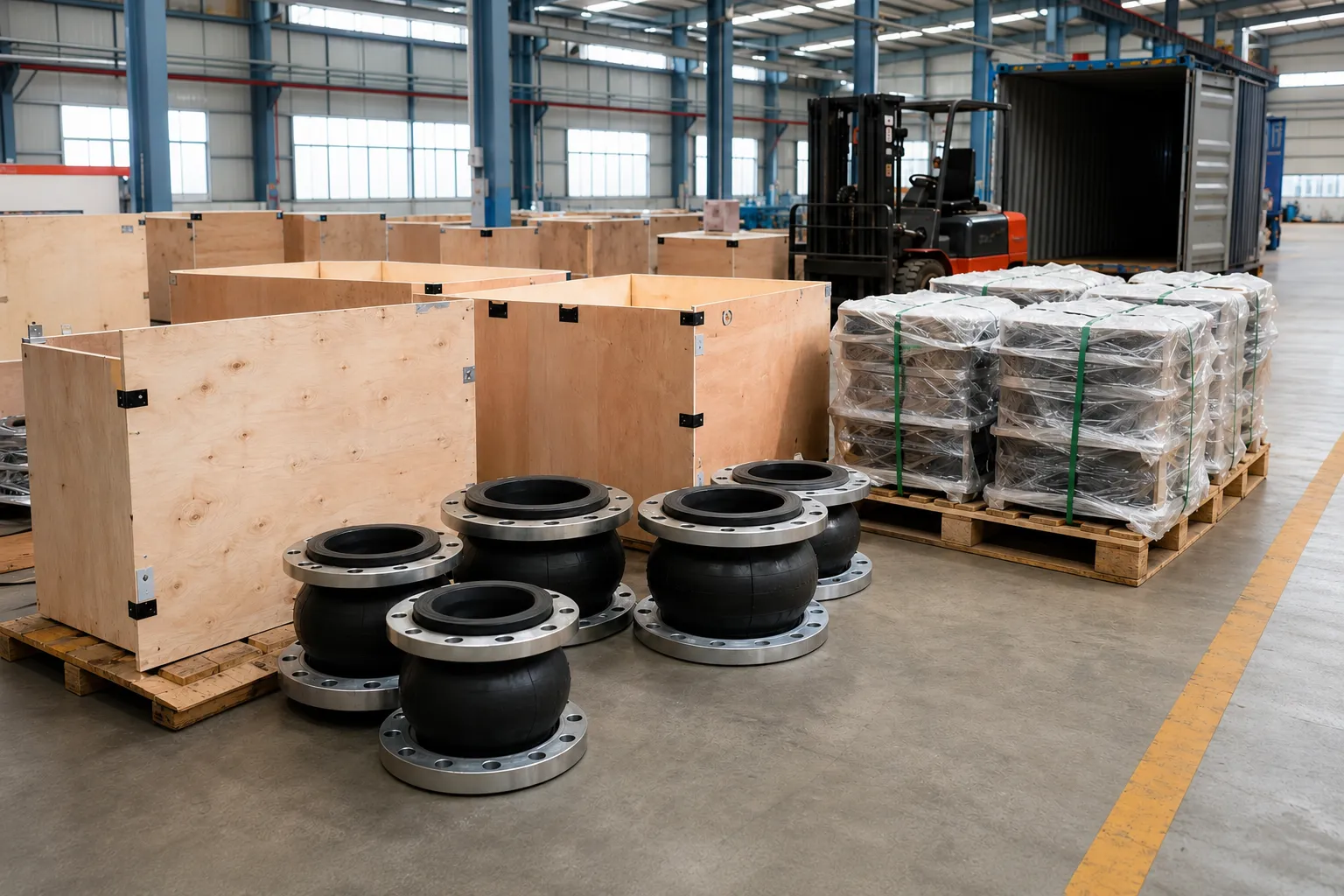
- Quantity, destination, packing requirements, drawing revision, and required documents.
9. When Another Pipe Fitting May Be Better
If the main job is valve removal, installation adjustment, and axial force transmission, a dismantling joint or force-transmission joint may fit better than a rubber expansion joint. If the buyer needs to connect a plain-ended pipe to flanged equipment, a flange adaptor may be the right product family. If two plain-ended pipes need to be joined, a steel flexible pipe coupling may be more suitable.
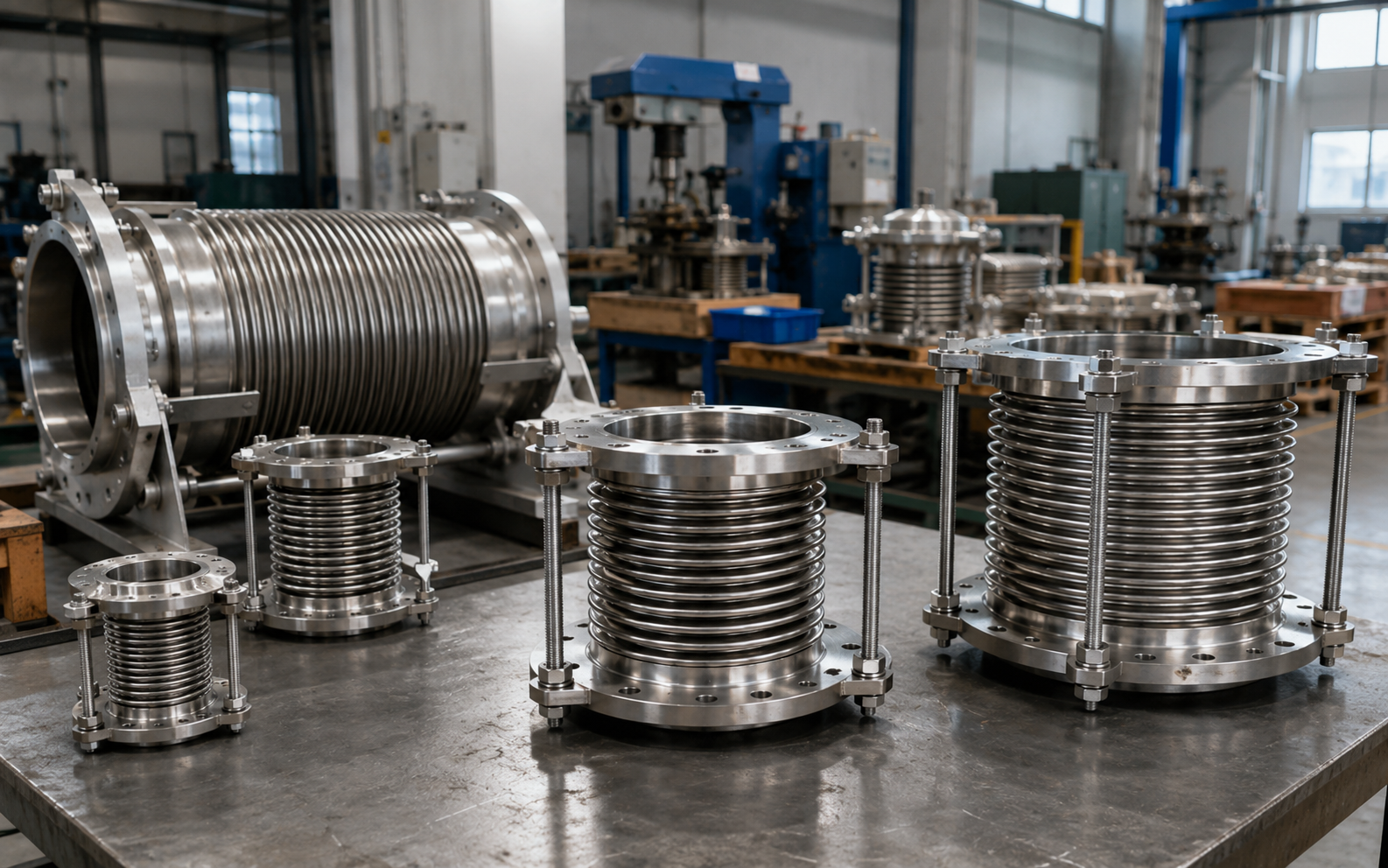
For metallic bellows, non-metallic duct expansion joints, waterproof wall sleeves, or other compensators, use the selection logic for that product structure. Do not use rubber expansion joint terminology to cover unrelated products only for keyword coverage.
10. RFQ and Project Support
Good rubber expansion joint selection starts with the pipeline conditions, not a generic product name. The more complete the RFQ data, the easier it is to review material, connection, restraint, installation length, and documentation requirements.
For pump stations, industrial water systems, HVAC pipelines, water-treatment lines, and equipment connections, send your size, pressure, medium, temperature, flange standard, installation position, quantity, photos, and drawings. CNPIPEPARTS can help review the initial configuration for quotation, while final technical suitability remains controlled by approved project documents.