简体中文
简体中文  English
  日本語
日本語  한국어
한국어  Français
  Deutsch
  Español
  Português
  Русский
  العربية
  ไทย
ไทย  Tiếng Việt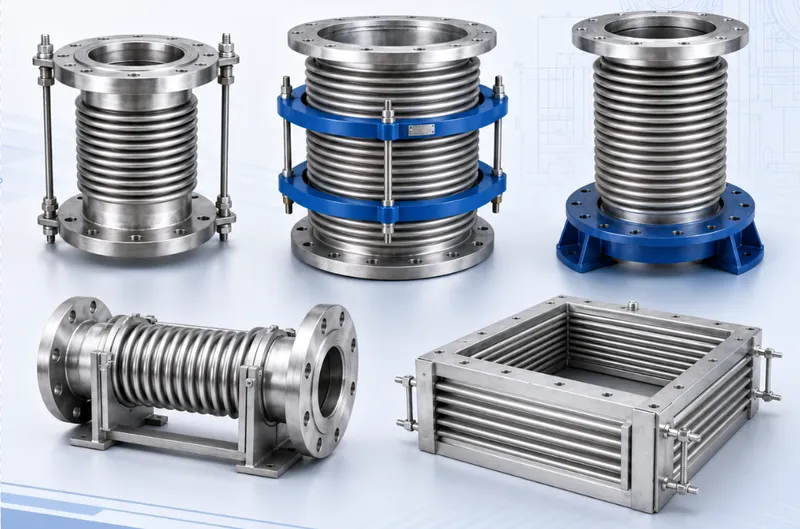

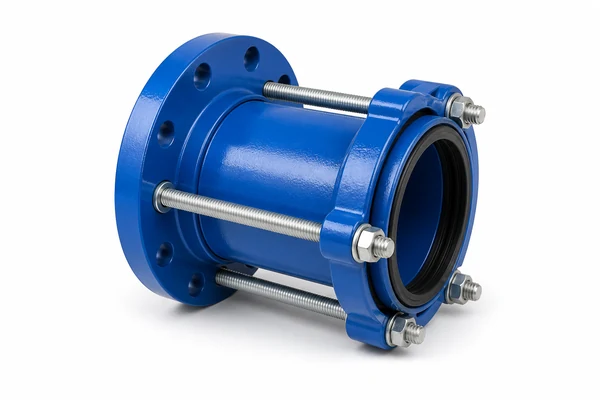
Common Flange Standards for Pipeline Products: EN, ASME, JIS, AWWA, BS and GB
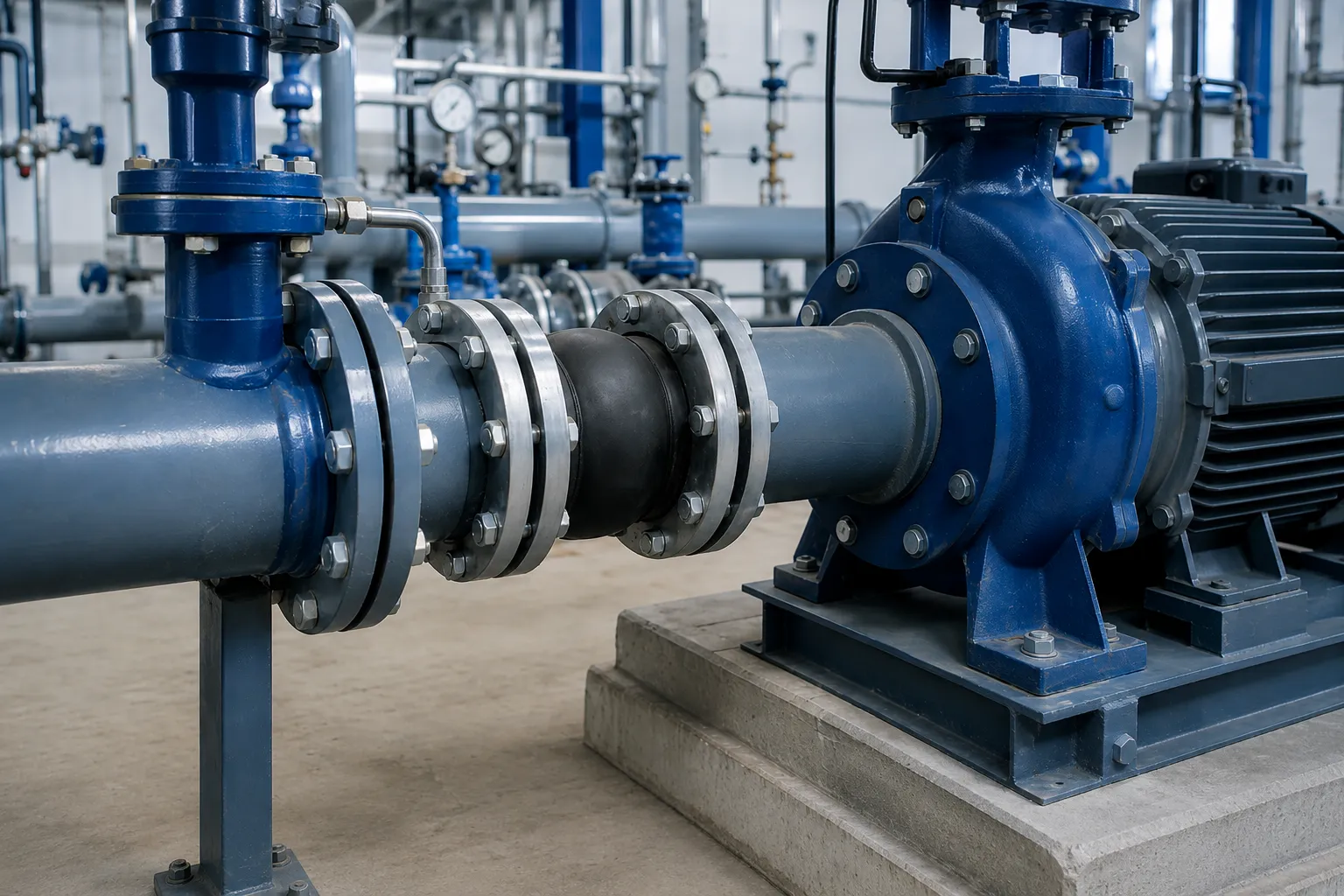
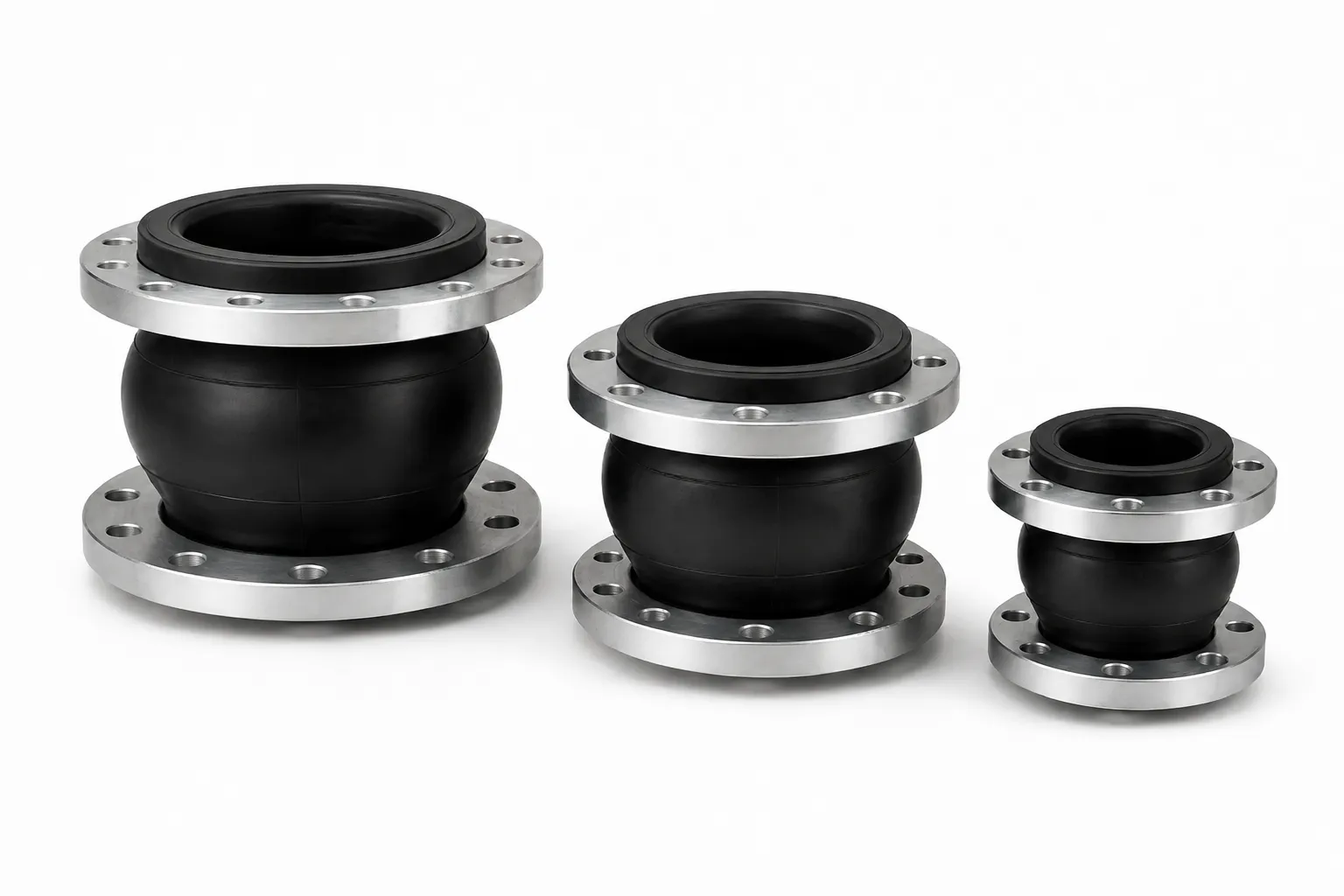
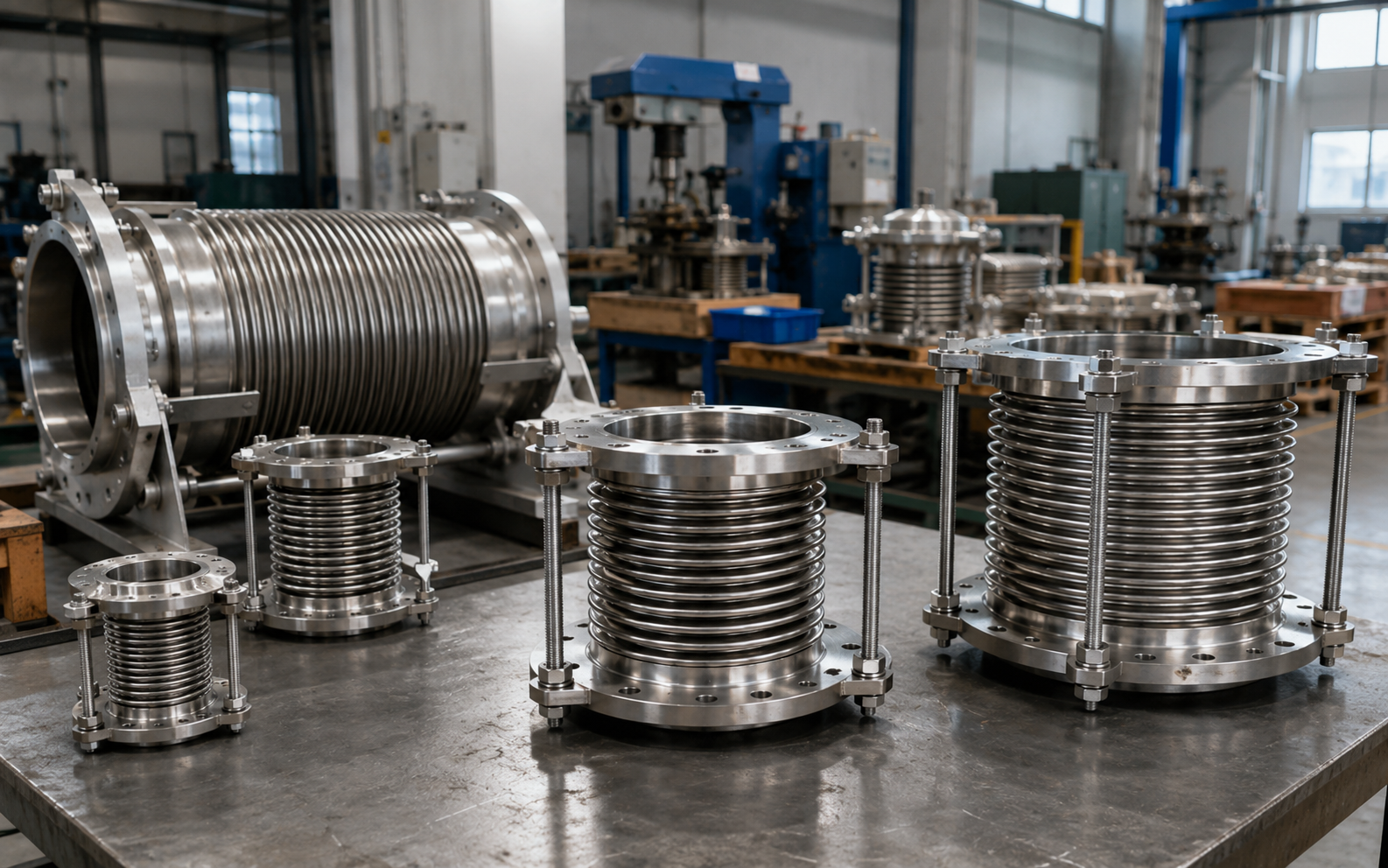
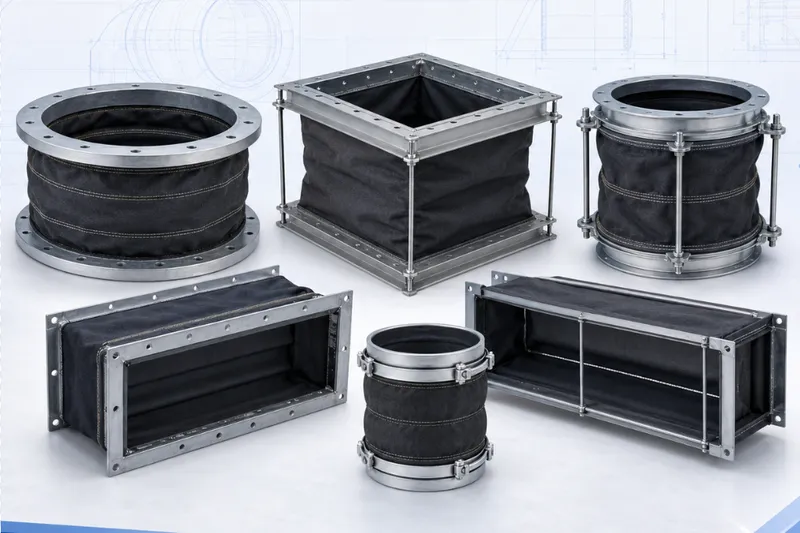
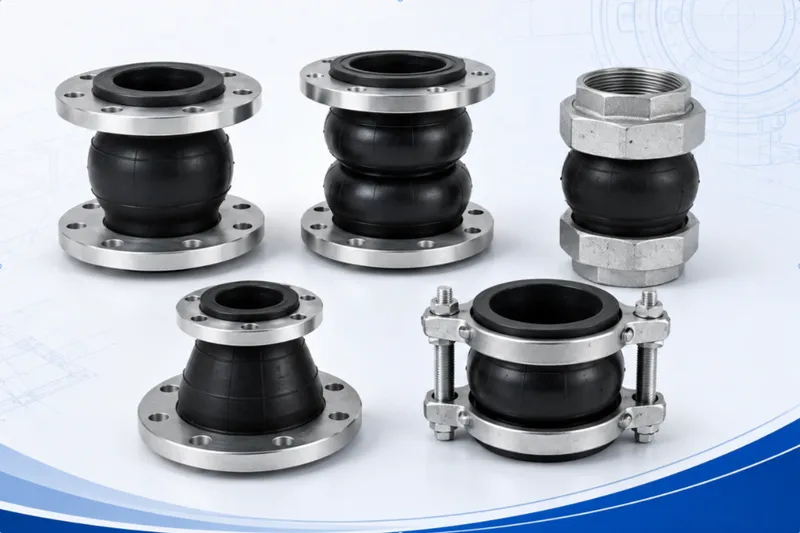
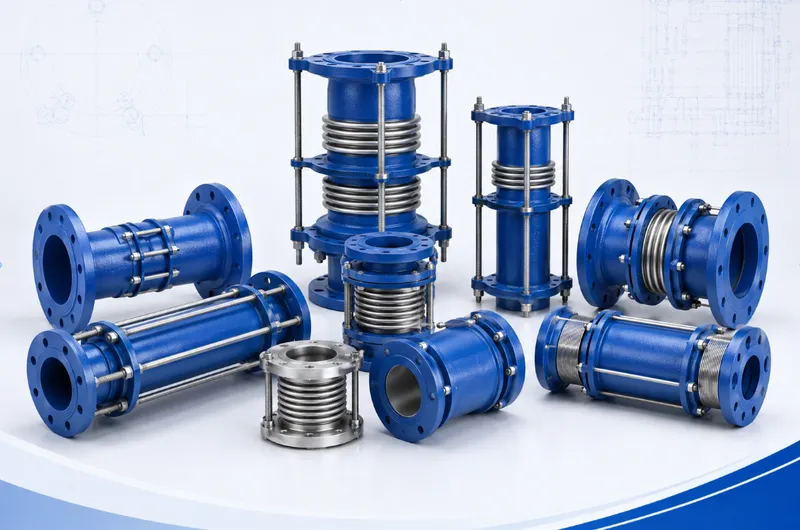
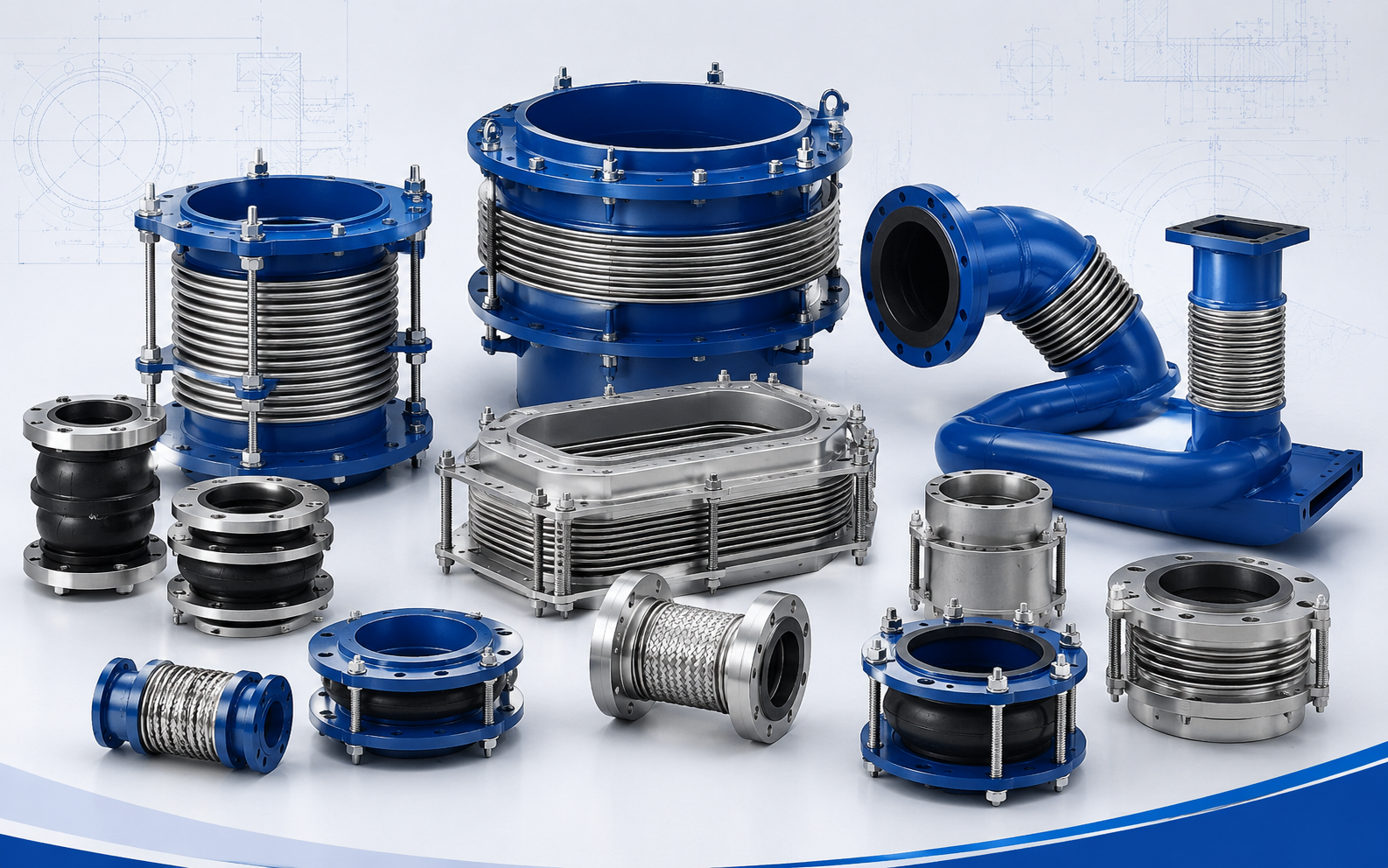
Flanges are widely used on rubber expansion joints, dismantling joints, pipe expansion joints, valves, metallic bellows and other pipeline equipment. A flange standard can define the outside diameter, bolt circle, bolt-hole quantity, facing, material and pressure-temperature conditions.
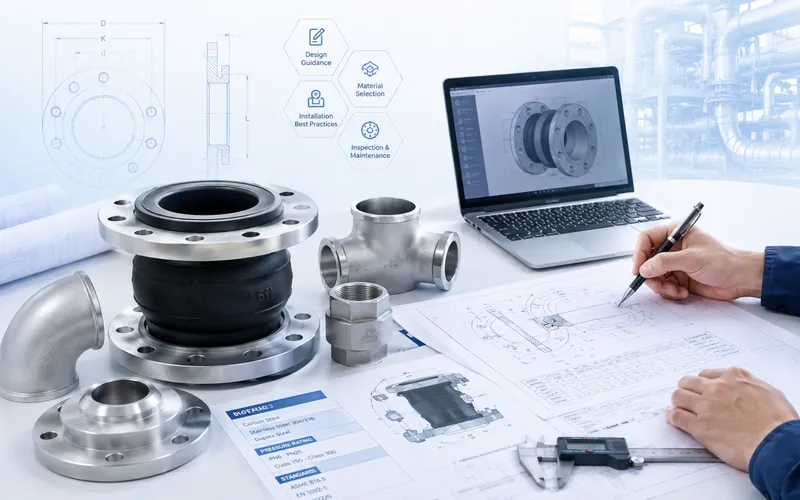
Products marked with the same DN, NPS, nominal pressure or inch size are not automatically interchangeable. The complete flange standard and mating dimensions must be confirmed before manufacturing or installation.
1. What Does a Flange Standard Define?
- Nominal pipe size range;
- Pressure-rating designation;
- Flange outside diameter and thickness;
- Bolt-circle diameter;
- Number and diameter of bolt holes;
- Bore, hub and connection construction;
- Flat, raised, ring-type or other facings;
- Materials and manufacturing methods;
- Dimensional tolerances;
- Pressure-temperature ratings;
- Marking, inspection and testing;
- Gasket and bolting conditions.
A pipeline product manufactured with flange dimensions from a particular standard does not automatically have the maximum pressure capability of the complete flange system. The rubber body, seal, sleeve, bellows and complete product design must also be evaluated.
2. PN, Class and K Ratings
PN Ratings
PN designations are commonly used in European, ISO and selected Chinese flange systems. Examples include PN10, PN16, PN25 and PN40.
PN is a standardized rating designation. Actual allowable pressure depends on the material, temperature, flange design and complete product construction.
ASME Class Ratings
ASME flanges commonly use Class 150, Class 300, Class 600 and other Class designations. The Class number is not a direct pressure value and cannot be converted to PN by a simple fixed formula.
JIS K Ratings
JIS steel pipe flanges use ratings such as 5K, 10K, 16K, 20K, 30K, 40K and 63K. JIS 10K should not automatically be treated as equivalent to PN10 or ASME Class 150.
3. EN 1092-1 Steel Flanges
EN 1092-1 is widely used for circular steel flanges in European and PN-designated piping projects. It specifies flange types, facings, dimensions, tolerances, bolting, materials, marking and pressure-temperature ratings.
Typical Applications
- European water and wastewater projects;
- Water-treatment and pump-station piping;
- HVAC and industrial water systems;
- Valves, pumps and flanged equipment;
- Rubber expansion and dismantling joints;
- PN-designated pipeline products.
“DIN flange” is commonly used as a commercial description, but it is not sufficiently precise for manufacturing. An RFQ should state EN 1092-1 or the applicable national adoption, together with the DN, PN and facing.
4. ASME B16.5 Pipe Flanges
ASME B16.5 is widely used in the United States and international industrial projects. It uses NPS sizes and Class rating designations.
The standard covers pressure-temperature ratings, materials, dimensions, tolerances, marking and testing, together with requirements and recommendations associated with flange joints, gaskets and bolting.
The term “ANSI Class 150” is still frequently used commercially. Formal documents should preferably identify ASME B16.5 Class 150, the NPS size, facing, material and applicable edition.
5. ASME B16.47 Large-Diameter Flanges
Large-diameter steel flanges beyond the normal scope of ASME B16.5 may be specified to ASME B16.47.
ASME B16.47 includes different flange series. Flanges with the same nominal size and Class may have different drilling under different series, so the required series must be stated in the RFQ.
Products Requiring Particular Attention
- Large-diameter dismantling joints;
- Large limit expansion joints;
- Large valve connections;
- Large metallic bellows assemblies;
- Transmission-water and industrial main pipelines.
6. JIS B 2220 Steel Pipe Flanges
JIS B 2220 is commonly encountered in Japanese projects and piping systems connected to Japanese pumps, valves or machinery.
The standard uses A nominal sizes and K rating designations. An RFQ should state the full JIS B 2220 designation, size, rating, flange type and facing.
7. AWWA C207 Waterworks Flanges
AWWA C207 applies to steel pipe flanges for waterworks service and is often encountered in large water-transmission, pump-station and municipal water projects.
The project should identify the required AWWA flange class, pipe arrangement, design pressure, gasket and bolting. AWWA flanges should not automatically be treated as dimensionally compatible with ASME or EN flanges.
8. BS 10 Flanges
BS 10 specifies flanges and bolting for pipes, valves and fittings. BS table-designated flanges may still be encountered in the United Kingdom, Australia, New Zealand, Southeast Asia, the Middle East and existing installations.
The complete BS 10 table designation, size and mating-flange details should be provided. “BS flange” alone is not sufficient.
9. ISO 7005-1 Steel Flanges
ISO 7005-1 provides a base specification for steel flanges used in industrial and general-service piping systems.
Reference to ISO does not mean that every national or regional flange series is interchangeable. The purchaser remains responsible for identifying the required flange series.
10. Chinese GB/T Steel Flanges
The current Chinese steel pipe flange system includes:
- GB/T 9124.1 for PN-designated steel pipe flanges;
- GB/T 9124.2 for Class-designated steel pipe flanges.
Earlier GB/T 9112 through GB/T 9124 documents have been partly replaced by the newer divided standards. New inquiries should identify the current standard or clearly state the older project-specific edition.
11. Why Different Standards Are Not Automatically Interchangeable
- DN, NPS and A use different size designation systems;
- Flange outside diameters may differ;
- Bolt-circle diameters may differ;
- Bolt-hole quantity and diameter may differ;
- Flange thickness may differ;
- Facing dimensions may differ;
- Bores and pipe outside diameters may differ;
- Bolting and gasket dimensions may differ;
- Materials and pressure-temperature ratings may differ.
| Common Assumption | Correct Approach |
|---|---|
| PN16 equals Class 150 | Compare the complete EN and ASME dimensions |
| JIS 10K equals PN10 | Check JIS and EN drilling separately |
| All DIN flanges are identical | State the exact EN or DIN designation and edition |
| DN100 always matches a 4-inch flange | Confirm the standard and mating dimensions |
| Matching bolt holes prove suitability | Also confirm facing, material, thickness and service |
12. Common Flange Facings
Flat Face
Flat face is normally identified as FF. Suitability depends on the mating flange, product construction and gasket arrangement.
Raised Face
Raised face is normally identified as RF. The raised-face dimensions, finish and gasket must be confirmed.
Ring-Type Joint
Ring-type joint is normally identified as RTJ and uses a sealing arrangement different from ordinary flat- or raised-face connections.
Special Facings
Tongue-and-groove, male-and-female and equipment-specific facings require complete drawings.
13. Flange Information for Different Pipeline Products
Rubber Expansion Joints
- Flange standard and rating;
- Bolt drilling and rubber flange dimensions;
- Flat- or raised-face mating conditions;
- Separate gasket requirement;
- Control-rod plates and bolt length.
Dismantling and Limit Expansion Joints
- Standards at both ends;
- Flange thickness and drilling;
- Tie-rod and through-bolt arrangement;
- Mating valve or equipment flange;
- Face-to-face length and maintenance clearance.
Flange Adaptors
- Flanged-end standard;
- Actual outside diameter of the plain-ended pipe;
- Pipe material and outside-diameter tolerance;
- Seal and gland operating range.
Metallic Bellows
- Flange standard and facing;
- Pressure and temperature;
- Face-to-face length and movement direction;
- Bellows, pipe and flange materials;
- Anchor and guide conditions.
14. How to Specify a Flange in an RFQ
- Complete standard number;
- Required edition where project-specific;
- DN, NPS or A nominal size;
- PN, Class, K or BS table rating;
- Flange type;
- Facing;
- Flange material;
- Mating flange or valve drawing;
- Outside diameter and thickness;
- Bolt circle, hole quantity and hole diameter;
- Gasket and bolting requirements;
- Medium, temperature and pressure;
- Quantity and installation position.
15. Incoming Flange Inspection
- Verify the product and flange identification;
- Measure the flange outside diameter;
- Check the bolt-circle diameter;
- Confirm bolt-hole quantity and diameter;
- Check flange thickness;
- Confirm the facing;
- Inspect for damage, corrosion or distortion;
- Compare against the mating valve or equipment flange;
- Confirm compatibility of bolts, gaskets and control units;
- Compare the shipment with the approved drawing and order.
16. Frequently Asked Questions
Can a PN16 flange connect directly to an ASME Class 150 flange?
Direct compatibility must not be assumed. Compare the complete flange dimensions and mating drawing.
Are DIN and EN flanges the same?
“DIN flange” is commonly used as a commercial description, but the exact EN or DIN standard, rating and edition must be stated.
Does JIS 10K equal PN10?
No automatic equivalence should be assumed. Check the drilling and facing under each standard.
Can a custom flange be produced from a photograph?
A photograph supports identification, but measured dimensions or a mating-flange drawing are also required.
Is working pressure still required after the flange standard is known?
Yes. The complete pipeline product must be selected according to medium, temperature and actual pressure.
Can the two ends use different flange standards?
A transition product can be evaluated with different flange standards at each end, subject to dimensional and technical approval.
17. Request Flange Matching and Customization Support
For rubber expansion joints, dismantling joints, pipe expansion joints, flange adaptors, metallic bellows and other flanged products, provide the complete standard, rating, size and mating-equipment information.
For rehabilitation projects where the flange standard is unknown, submit measured photographs, valve drawings or complete mating-flange dimensions.
Final flange dimensions, materials, rating, facing and suitability must follow mutually approved drawings, datasheets, quotations and purchase contracts.