 简体中文
简体中文  English
  日本語
日本語  한국어
한국어  Français
  Deutsch
  Español
  Português
  Русский
  العربية
  ไทย
ไทย  Tiếng Việt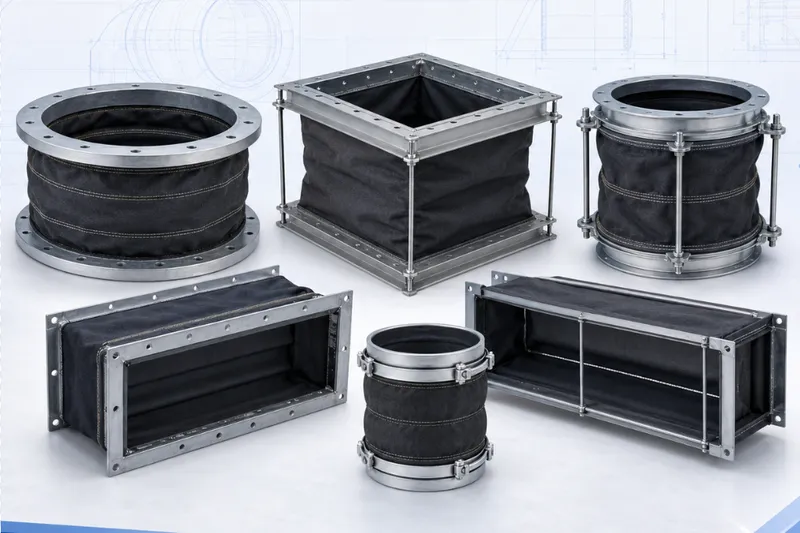
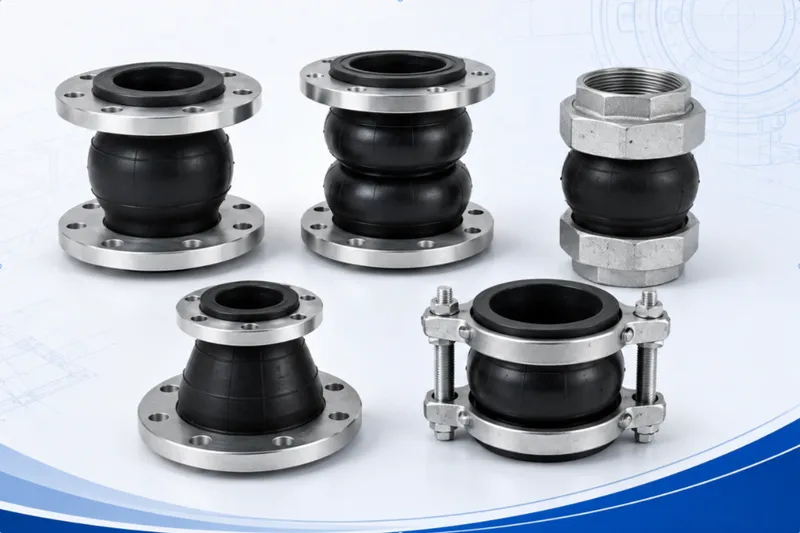
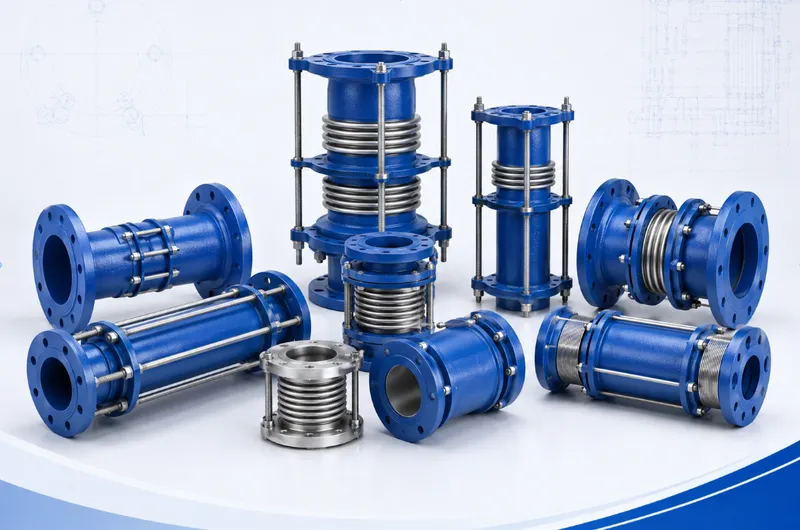
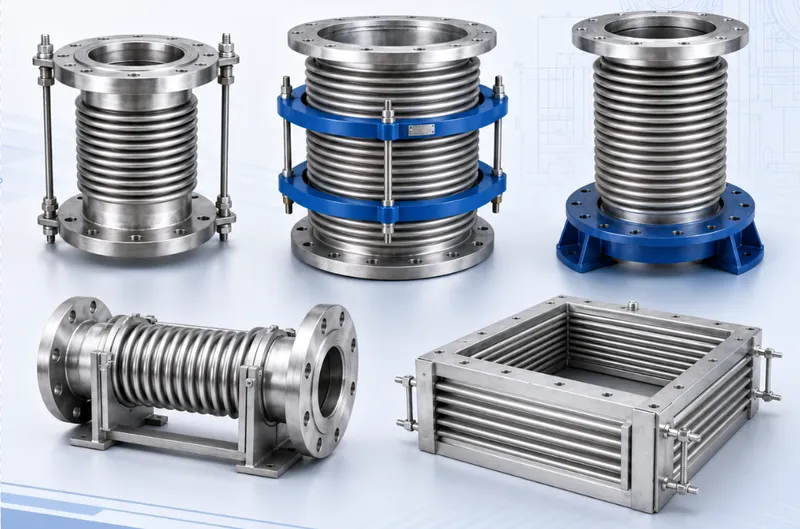
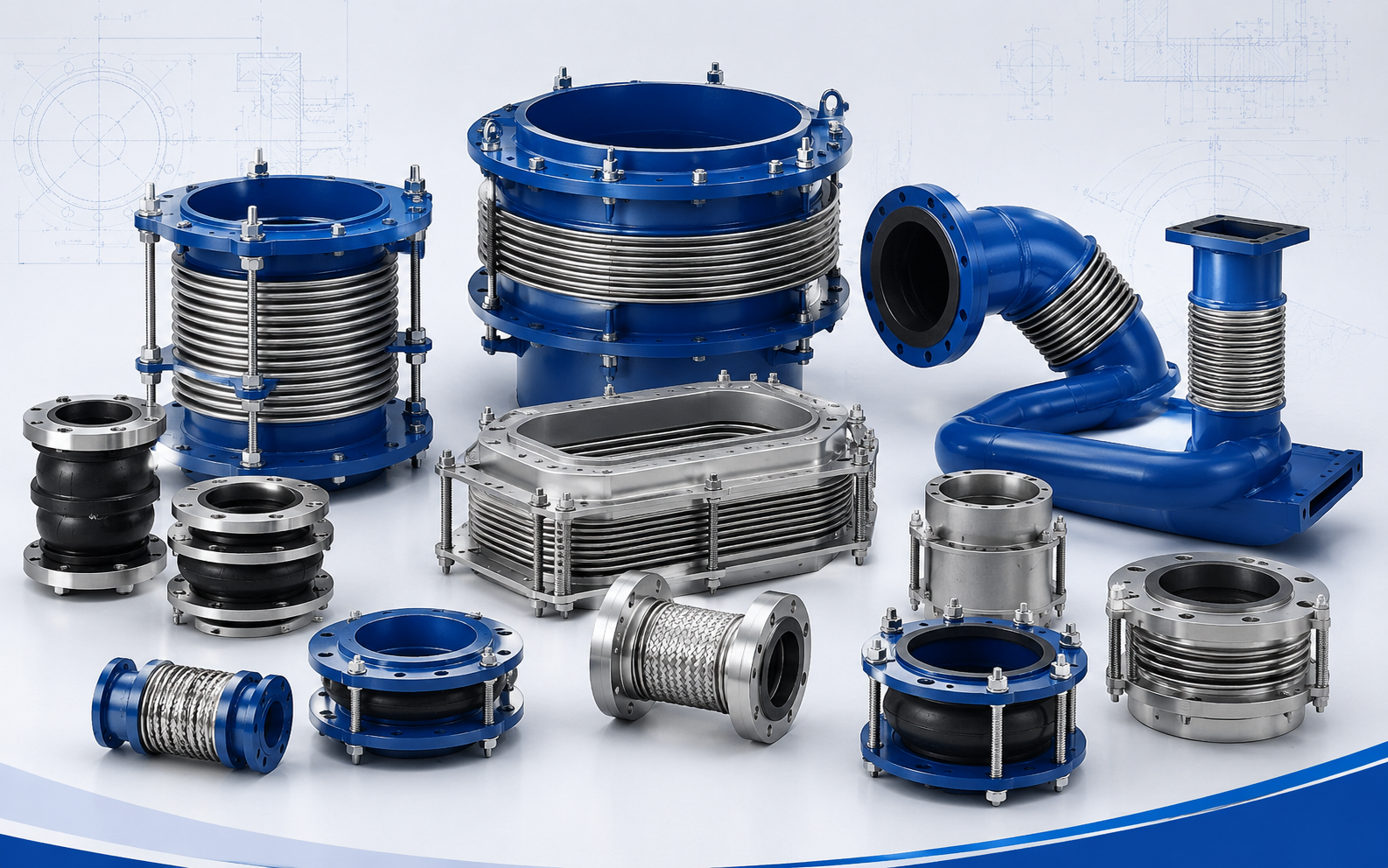

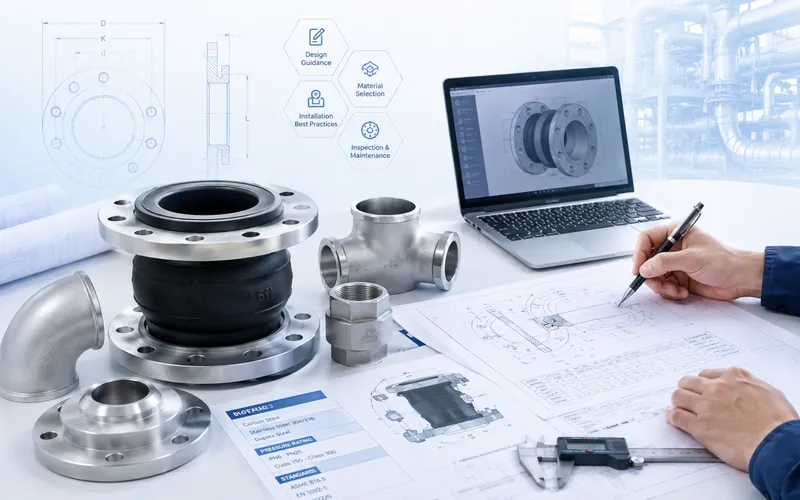
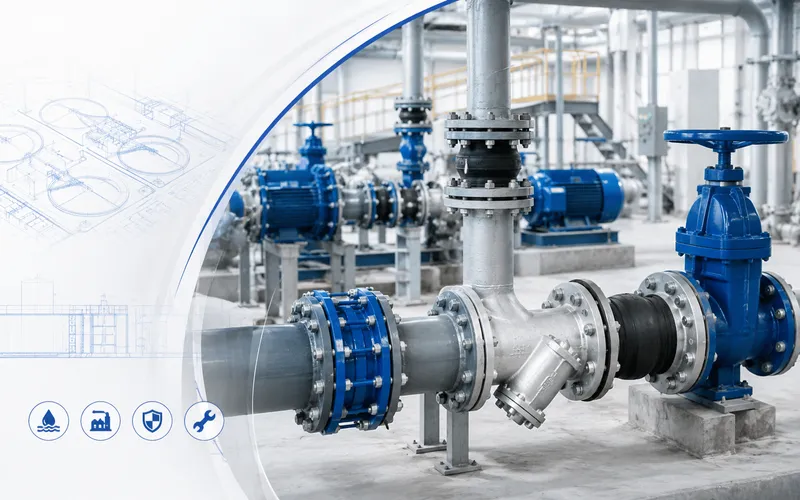
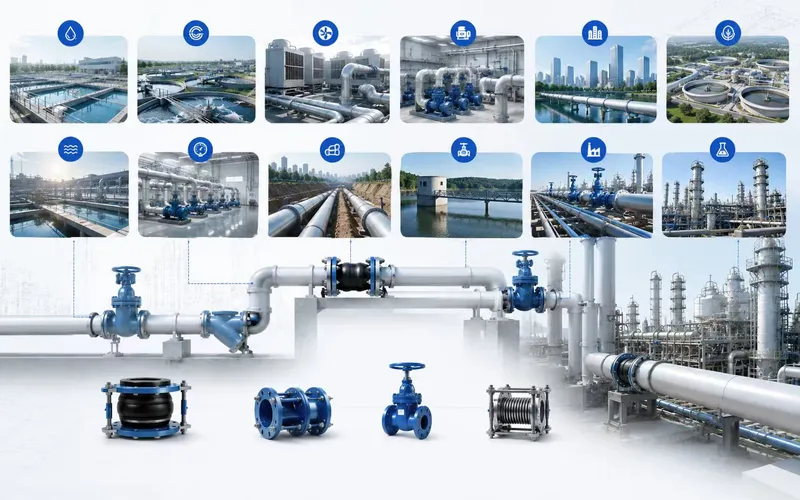
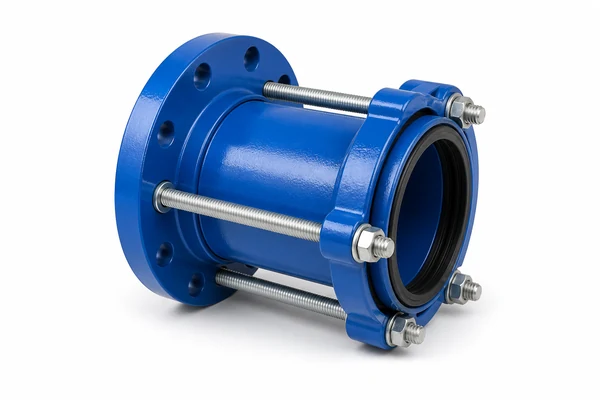
# Gängige Flanschnormen für Rohrleitungsarmaturen\n\n## Leitfaden für B2B-Einkäufer\n\nDieser Artikel hilft technischen Einkäufern, Anlagenbauern, Händlern und OEM/ODM-Kunden, die nötigen Angaben vor einer Anfrage vorzubereiten.\n\n## Rohrleitungsarmaturen: Gängige Flanschnormen für Rohrleitungsarmaturen\n\nWählen Sie nicht nur nach Produktname. Prüfen Sie Rohrgröße, Druckstufe, Anschlussnorm, Werkstoff, Medium, Temperatur, Einbauposition, Menge und Zeichnung.\n\nRelevante Produkte können Gummi-Kompensatoren, Ausbaustücke, Rohrkupplungen, Flanschadapter, Metallbalgkompensatoren und Mauerdurchführungen sein.\n\n## RFQ\n\nFür ein schnelleres Angebot senden Sie DN, Druckstufe, Flanschnorm, Werkstoff, Medium, Temperatur, Menge, Zeichnung oder Foto.\n\n- DN / size\n- pressure rating\n- connection standard\n- material\n- working medium and temperature\n- quantity\n- drawing, photo or specification\n\n## Quality and Packing\n\nVor Versand sollten Aussehen, Maße, Anschlussflächen, Zubehör, Kennzeichnung und Verpackung geprüft werden. Prüfanforderungen sind vor Produktion zu bestätigen.\n\n## Project Inquiry\n\nSenden Sie für Ihr Projekt Größe, Druck, Anschlussnorm, Werkstoff, Medium, Menge und Zeichnung, damit die passende Konfiguration bestätigt werden kann.
Werkstoffe und Normen
Gängige Flanschnormen für Rohrleitungsarmaturen
Gängige Flanschnormen für Rohrleitungsarmaturen Leitfaden für B2B Einkäufer Dieser Artikel hilft technischen Einkäufern Anlagenbauern Händlern und OEM ODM Kunden die nötigen Angaben vor einer Anfrage vorzubereiten Rohrleitungsarmaturen Gängige Flanschnormen fü
最新文章
Rubber Expansion Joints for Pump Suction Lines: Vacuum Risks and Installation Checks
2026-07-31 17:27:34
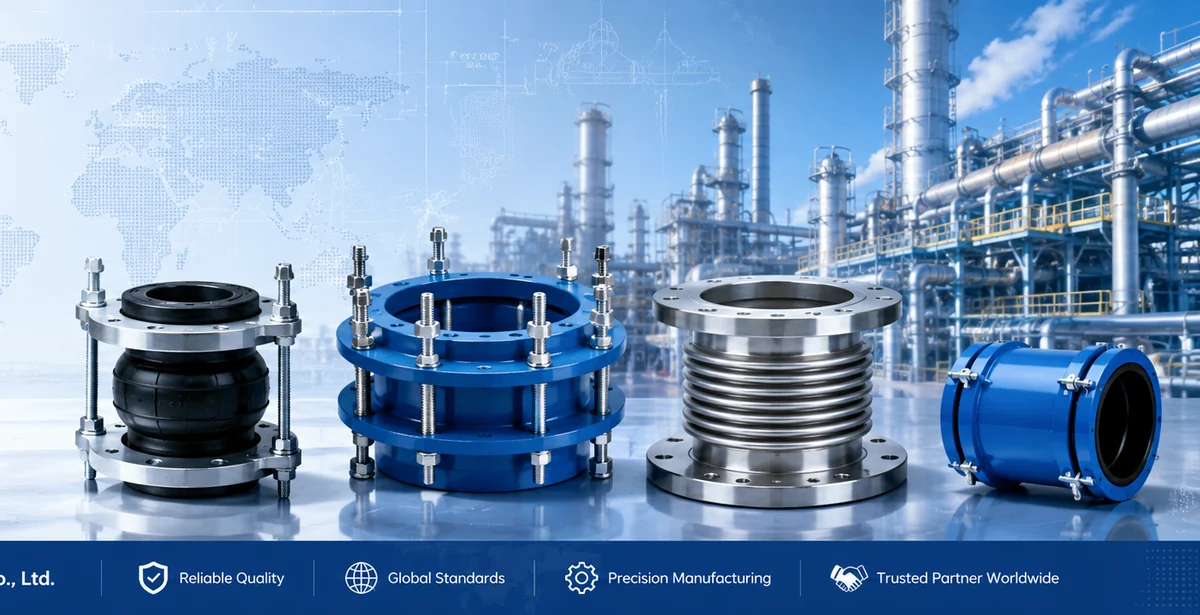
Visueller Auswahlleitfaden für Rohrleitungsarmaturen
2026-07-17 14:57:49
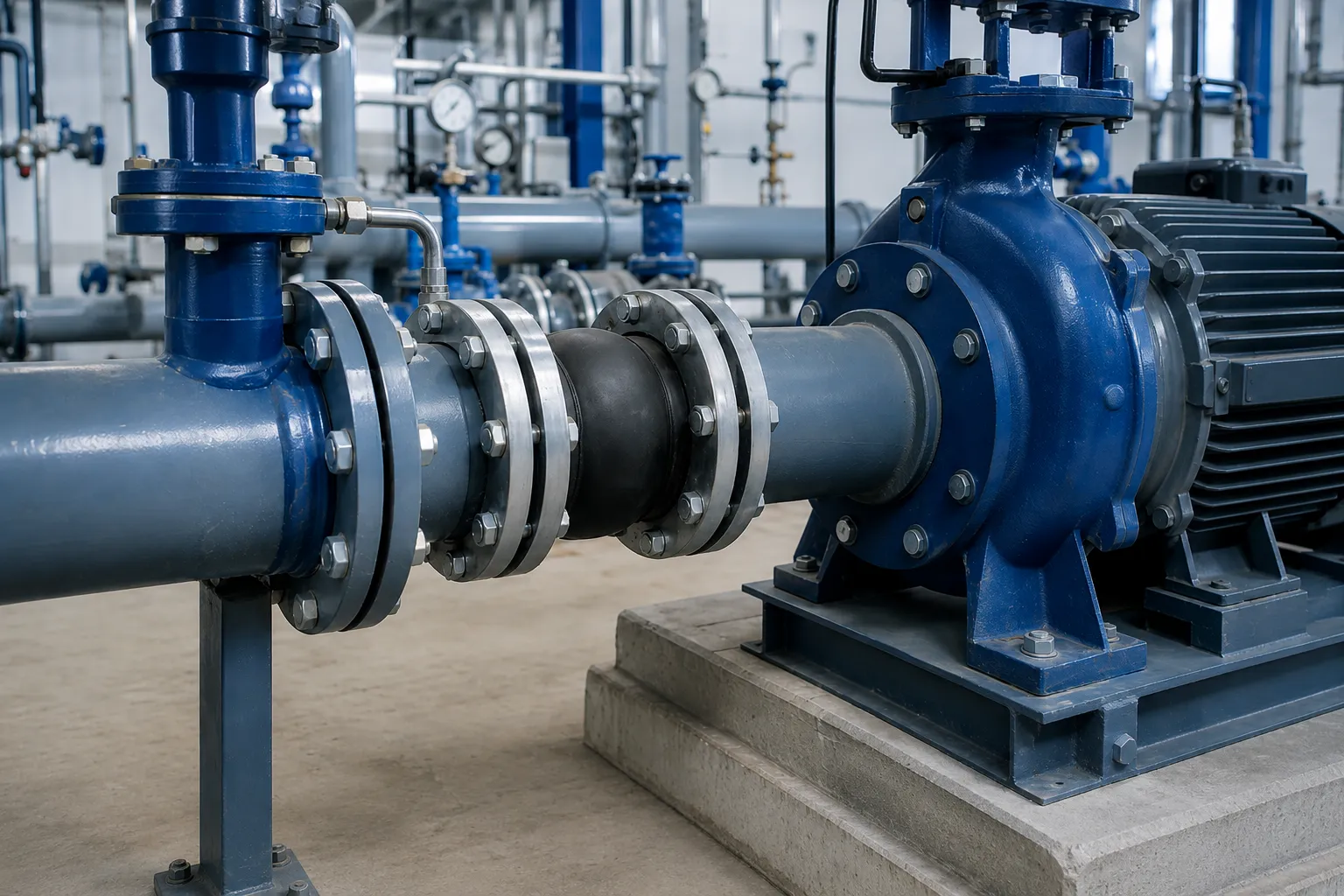
Einfachkugel-Gummi-Kompensator für Pumpstationen und Wasserleitungen
2026-07-17 14:57:46
Was ist ein Gummi-Kompensator
2026-07-17 14:57:44
Inhaltsplan für Unternehmensnachrichten einer Armaturenseite
2026-07-17 14:57:41
关联内容
Anwendungsleitfäden
Rubber Expansion Joints for Pump Suction Lines: Vacuum Risks and Installation Checks
A pump suction line can drop below atmospheric pressure during startup, low water level or flow fluc ...
Produktauswahl-Leitfäden
Visueller Auswahlleitfaden für Rohrleitungsarmaturen
Visueller Auswahlleitfaden für Rohrleitungsarmaturen Leitfaden für B2B Einkäufer Dieser Artikel hilf ...
Anwendungsleitfäden
Einfachkugel-Gummi-Kompensator für Pumpstationen und Wasserleitungen
Einfachkugel Gummi Kompensator für Pumpstationen und Wasserleitungen Leitfaden für B2B Einkäufer Die ...
Produktauswahl-Leitfäden
Was ist ein Gummi-Kompensator
Was ist ein Gummi Kompensator Leitfaden für B2B Einkäufer Dieser Artikel hilft technischen Einkäufer ...
常见问题
?Can a PN16 flange connect directly to an ASME Class 150 flange?
Direct compatibility should not be assumed. PN16 and Class 150 belong to different standard systems, and their outside diameter, bolt circle, bolt holes, thickness and facing may differ. Check the complete dimensions or mating-flange drawing.
?Is it sufficient to specify an ANSI flange?
No. “ANSI flange” is a common commercial description but does not fully define the connection. State ASME B16.5 or ASME B16.47, the Class rating, NPS size, facing and material.
?Are DIN flanges and EN 1092-1 flanges the same?
“DIN flange” is often used as a general description for European PN flanges, but different DIN and EN editions may exist. Specify the exact EN 1092-1 or national-adoption standard, PN rating and edition.
?Can a JIS 10K flange connect to a PN10 flange?
Compatibility cannot be determined from the rating numbers alone. Compare the flange outside diameter, bolt circle, hole quantity, hole diameter and facing under the JIS and EN standards.
?Which dimensions are required when the flange standard is unknown?
Provide the flange outside diameter, bore, thickness, bolt-circle diameter, number and diameter of bolt holes, facing dimensions and connected pipe or equipment dimensions, together with scaled site photographs.
?Can a pipeline joint use different flange standards at each end?
Yes, a transition product may be evaluated with EN, ASME, JIS, AWWA, BS or GB dimensions at different ends. Both interfaces, pressure conditions, materials, face-to-face length and approved drawing must be confirmed before production.